
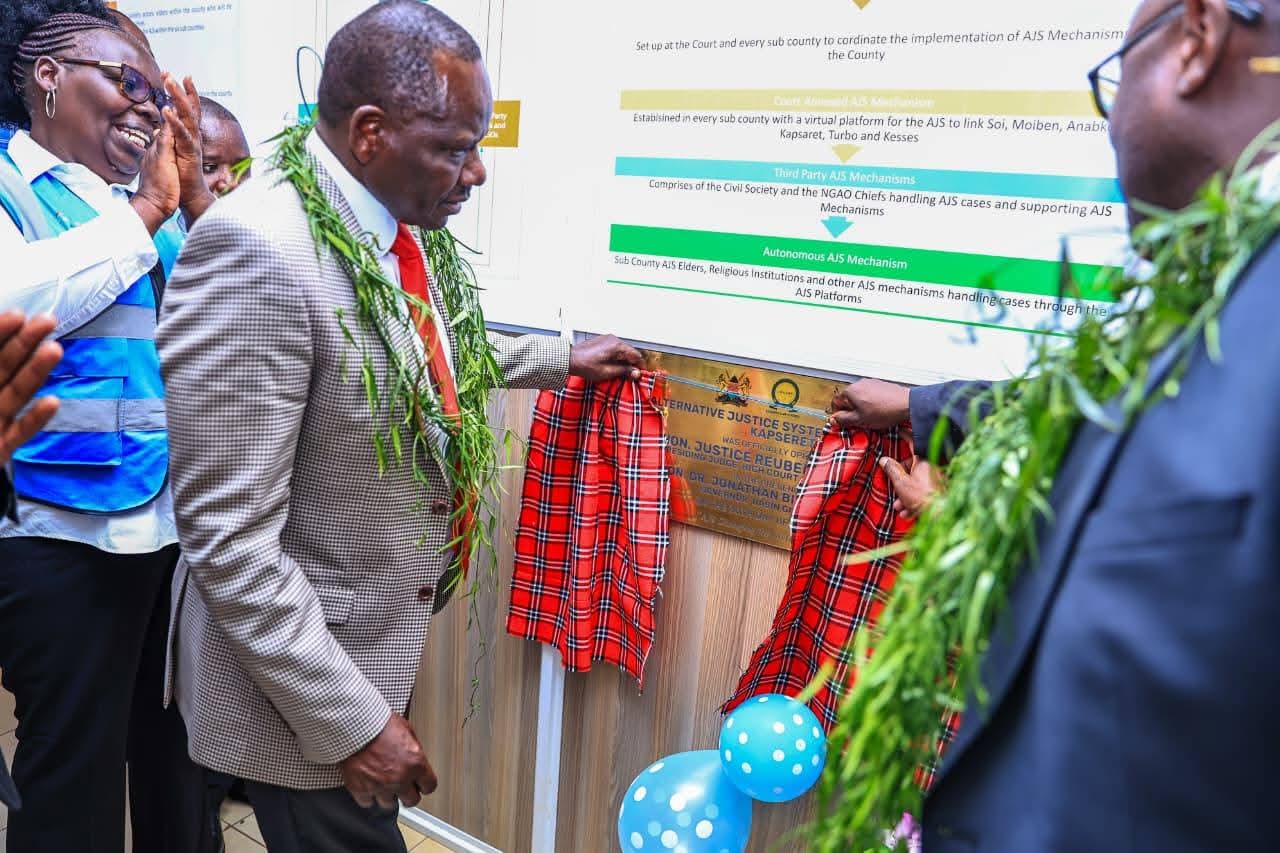
Residents of Uasin Gishu are increasingly turning to the Alternative Justice System (AJS), a community-based approach that is reshaping dispute resolution by making justice more accessible at the grassroots.
The model integrates court-annexed processes, third-party mediation, and autonomous mechanisms led by elders and civil society, offering an alternative to conventional court proceedings.
On Monday, the Judiciary, led by outgoing presiding judge Justice Reuben Nyakundi and incoming presiding judge Justice Antony Ndungu, endorsed the initiative during an event in Kapseret attended by Governor Jonathan Bii. Officials said the system is already handling land, family and community disputes across six sub-counties: Kapseret, Kesses, Turbo, Soy, Moiben and Ainabkoi.
Witnessing the transition, Dr Bii said: “This milestone directly aligns with Nguzo Kumi transformative agenda, particularly by enhancing good governance, peaceful coexistence, and enabling progress in other pillars such as Lands, Housing and Physical Planning, Agriculture & Food Security, and overall economic development.”

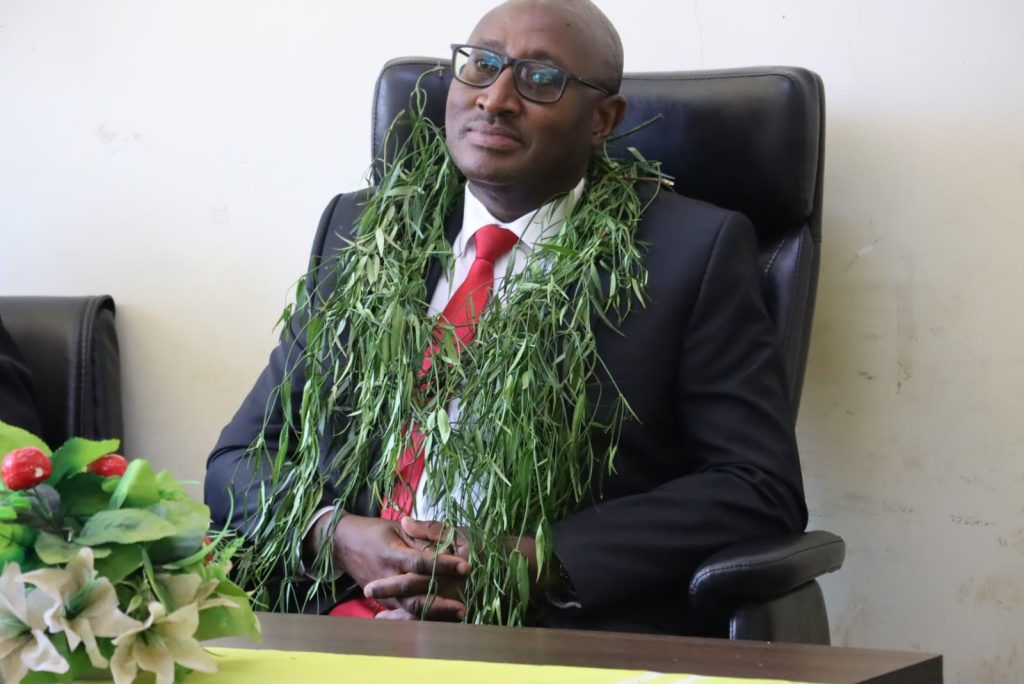

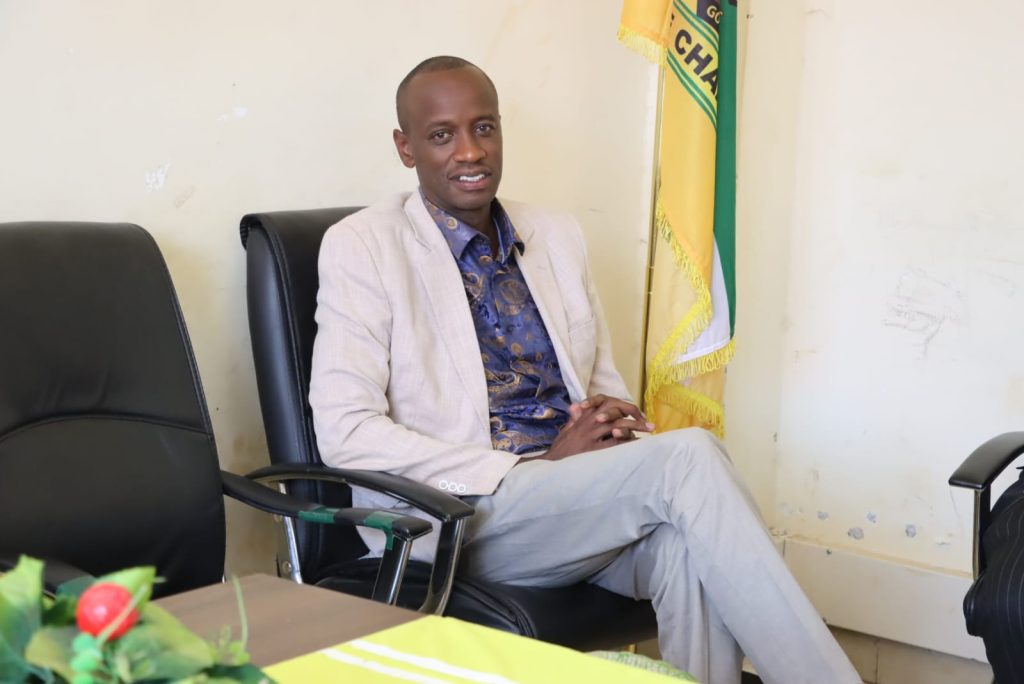

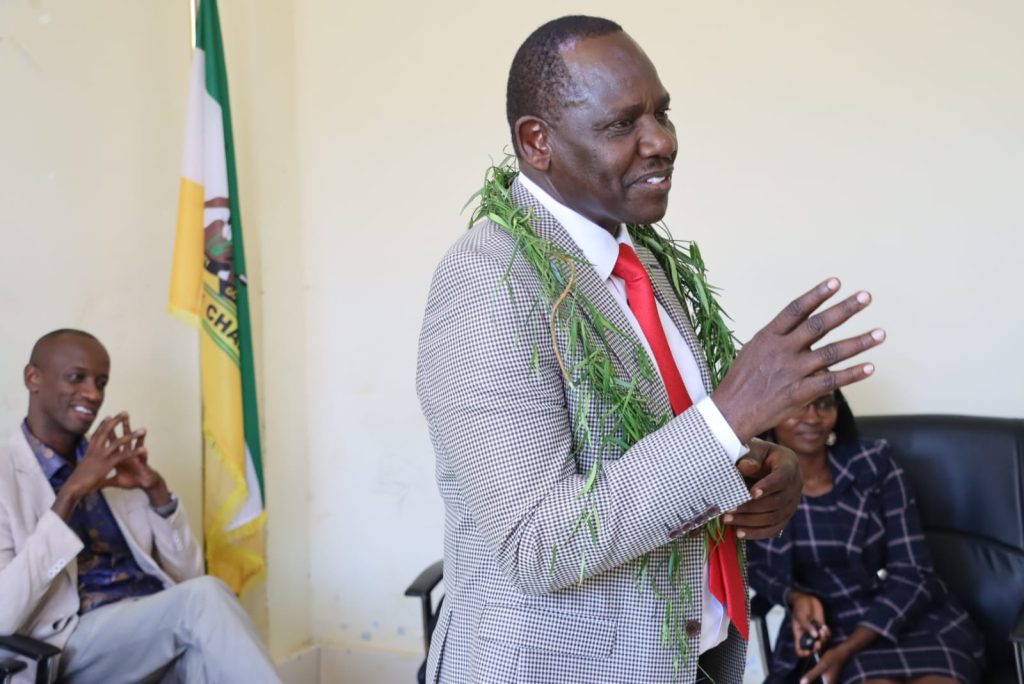
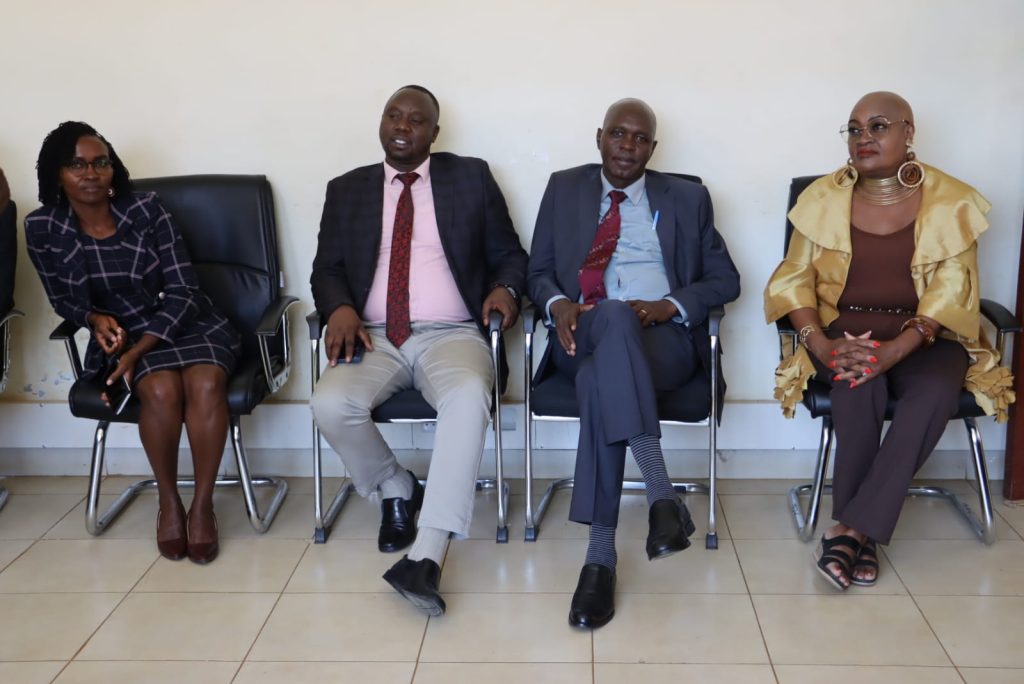


“Secure land ownership and reduced community conflicts create a more stable environment for investment, farming, and family prosperity, which are core elements of the county’s development blueprint,” the county chief added.
Data from Kapseret indicates that 66 cases have been concluded since the program began, covering court-annexed matters, criminal cases, family disputes and land succession. Judiciary officials say this has eased pressure on formal courts while promoting social cohesion.
Uasin Gishu is the first county to roll out AJS across all its sub-counties under the “Justice Mashinani” initiative. Compared to the conventional court system, often criticized for delays and high legal costs, AJS provides a faster and more affordable option for residents.








Land disputes and succession cases remain the most prevalent challenges in the county, frequently delaying land subdivision and issuance of title deeds, and ultimately affecting development. Authorities say AJS is helping to resolve such cases more efficiently.
The framework operates through several structures, including the Court/CUC AJS Working Group, AJS secretariats at court and sub-county levels, court-annexed platforms, third-party mediators such as civil society and chiefs, and autonomous bodies comprising elders and religious institutions.
Among those present were County Secretary Phillip Melly, area MCA Moses Kebenei, County Attorney Silvester Metto, Deputy Registrar of the High Court Sitati Sifuma, LSK President Oduor Opondo, county executives, AJS coordinators, chiefs and residents.