The County Government of Uasin Gishu has reaffirmed its support for agricultural transformation following the introduction of a framework aimed at enhancing disease surveillance and curbing livestock theft.
The proposed Animal Identification and Traceability Bill, 2026, seeks to bolster disease management and curb livestock theft, among other areas, by introducing unique identification systems.
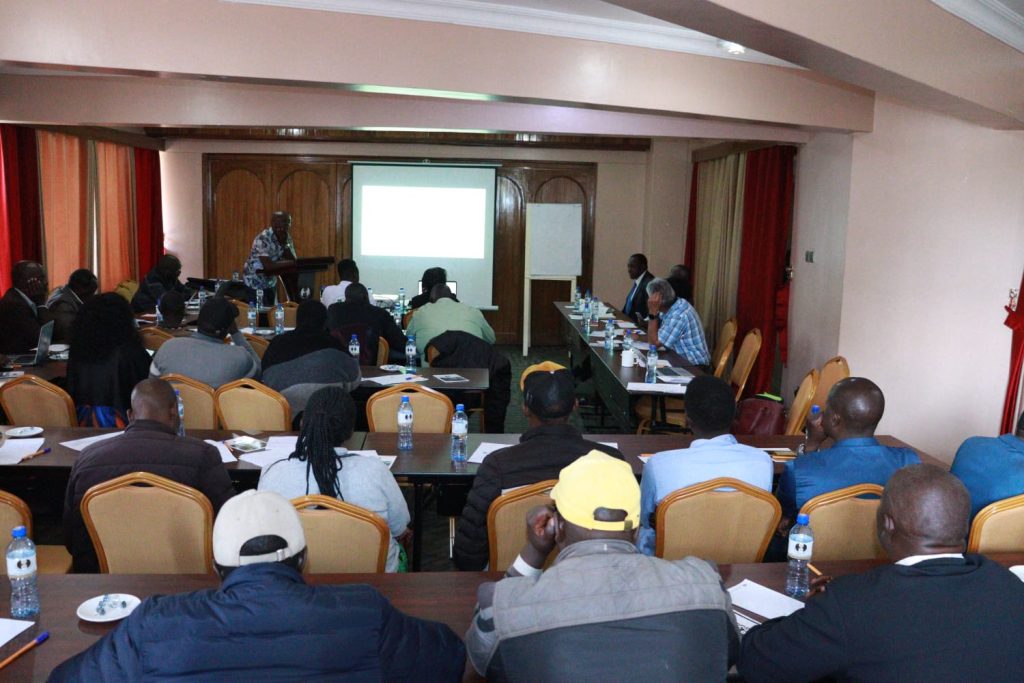
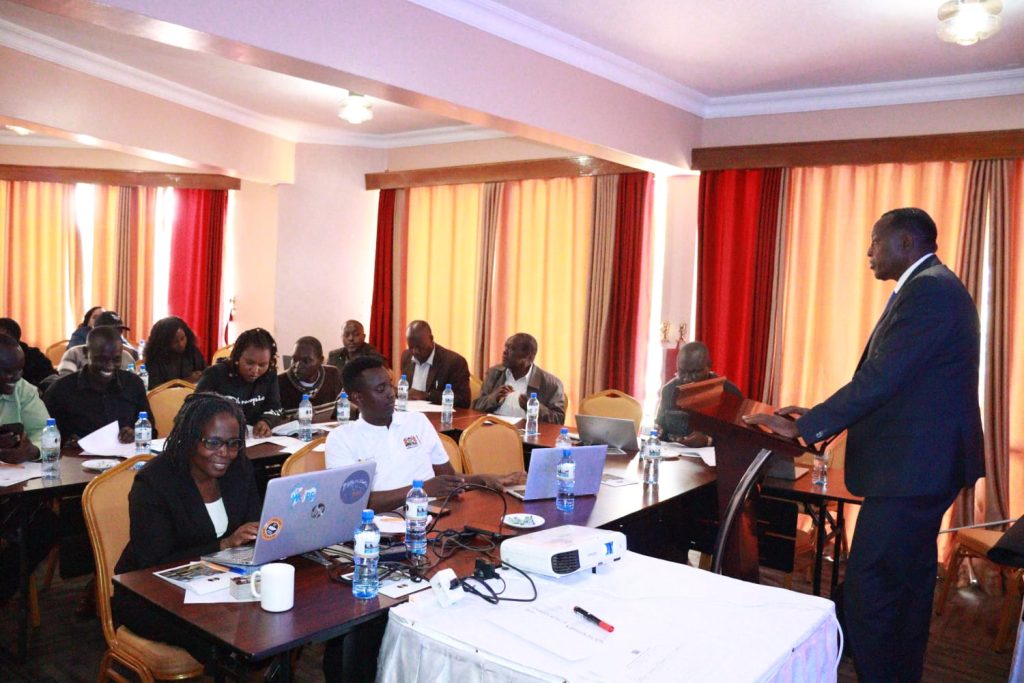
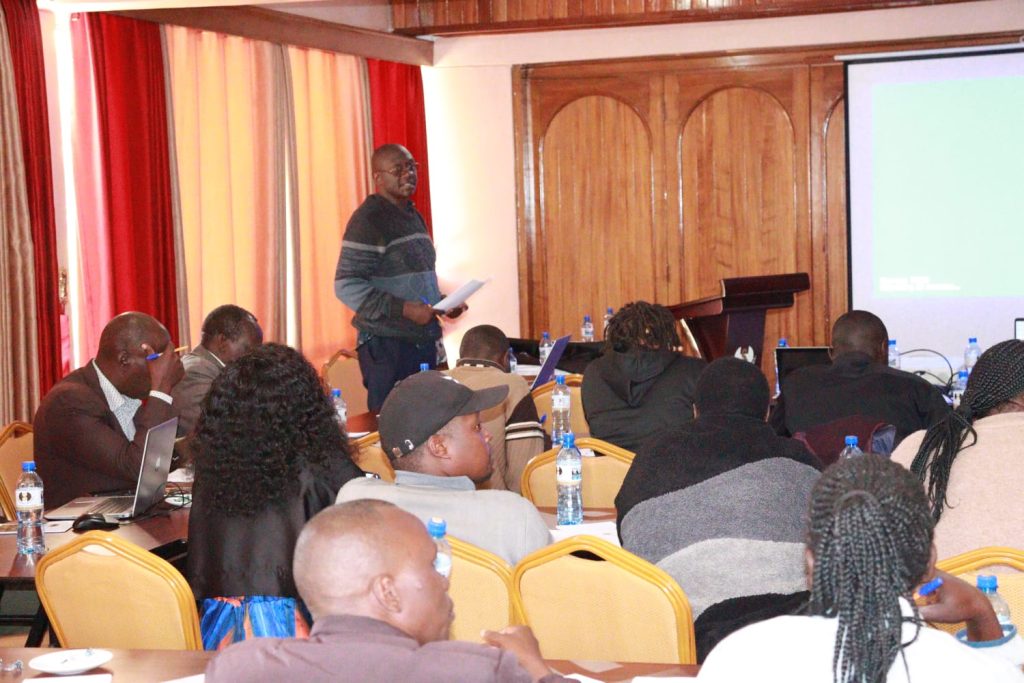
A forum convened by the State Department for Livestock Development in Eldoret brought together farmers and key stakeholders from across the county.
The forum primarily served as a platform for deliberation on the framework, which is expected to contribute to improved livestock management in Kenya.
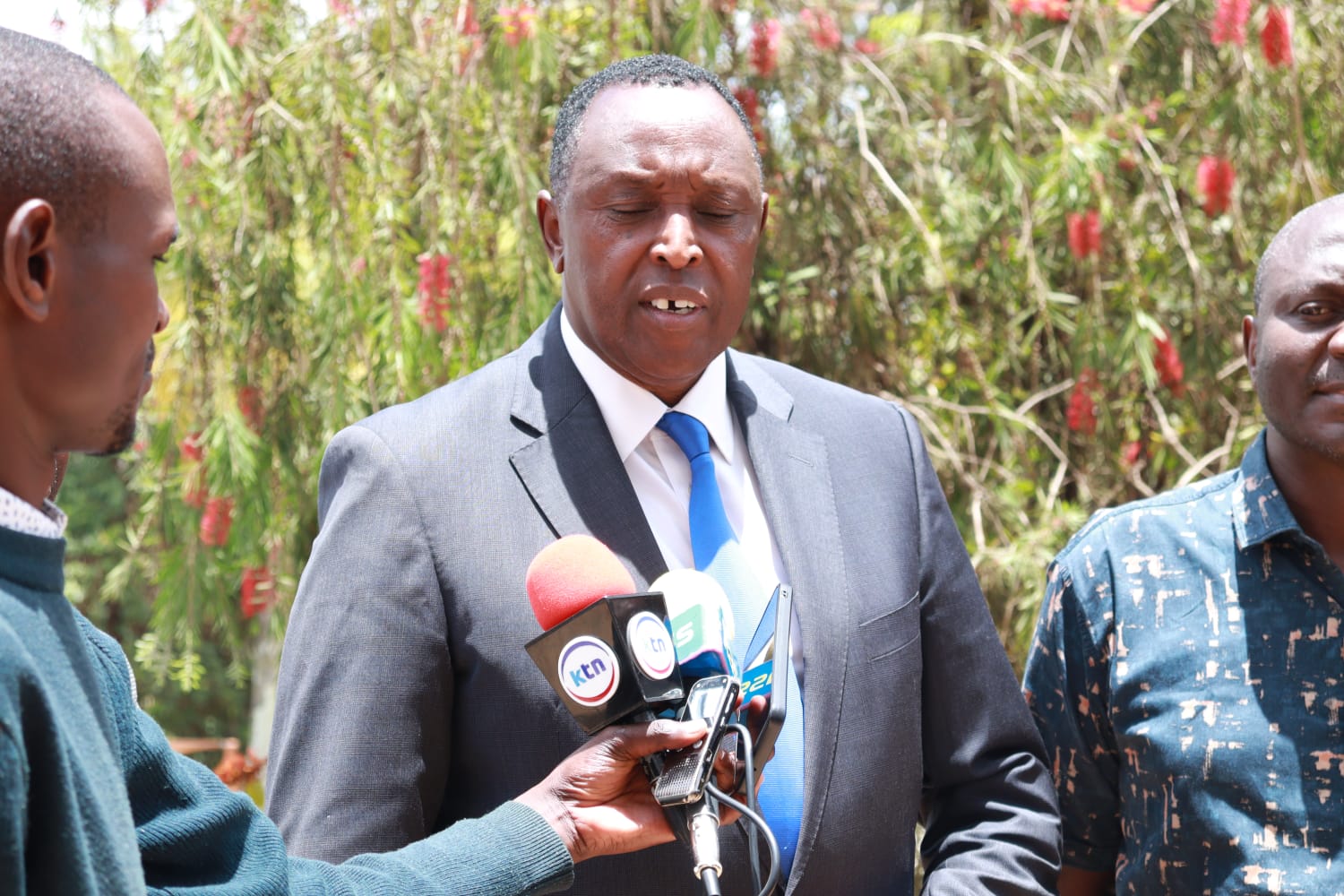
Speaking at the forum, County Executive Committee Member (CECM) for Agriculture, Dr. Sam Kotut, emphasized the importance of involving farmers in policymaking to ensure practical and inclusive implementation.
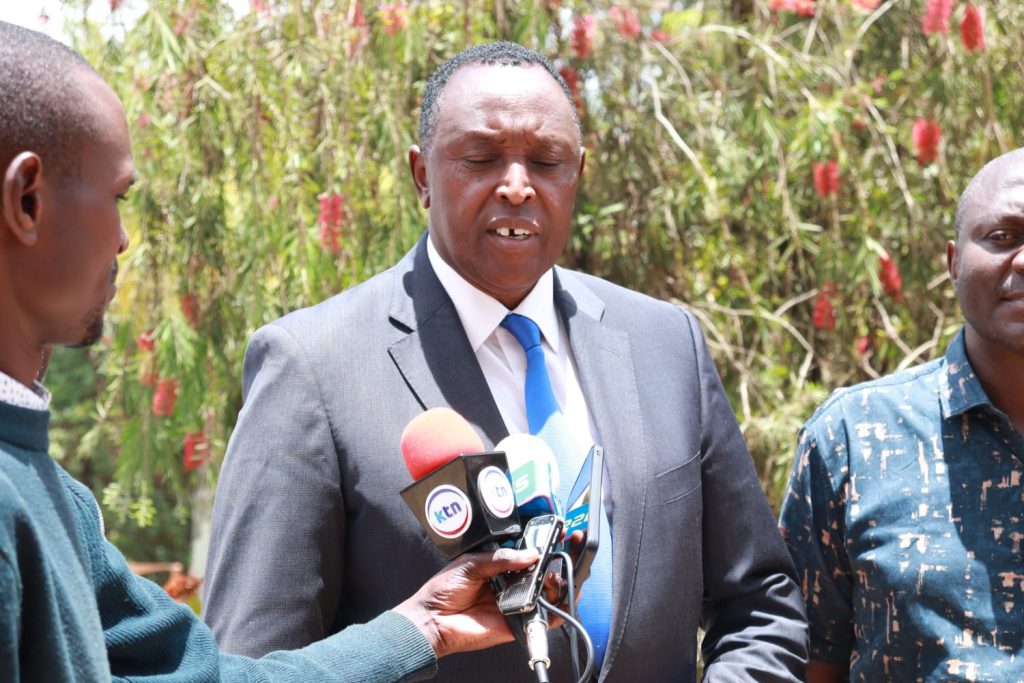

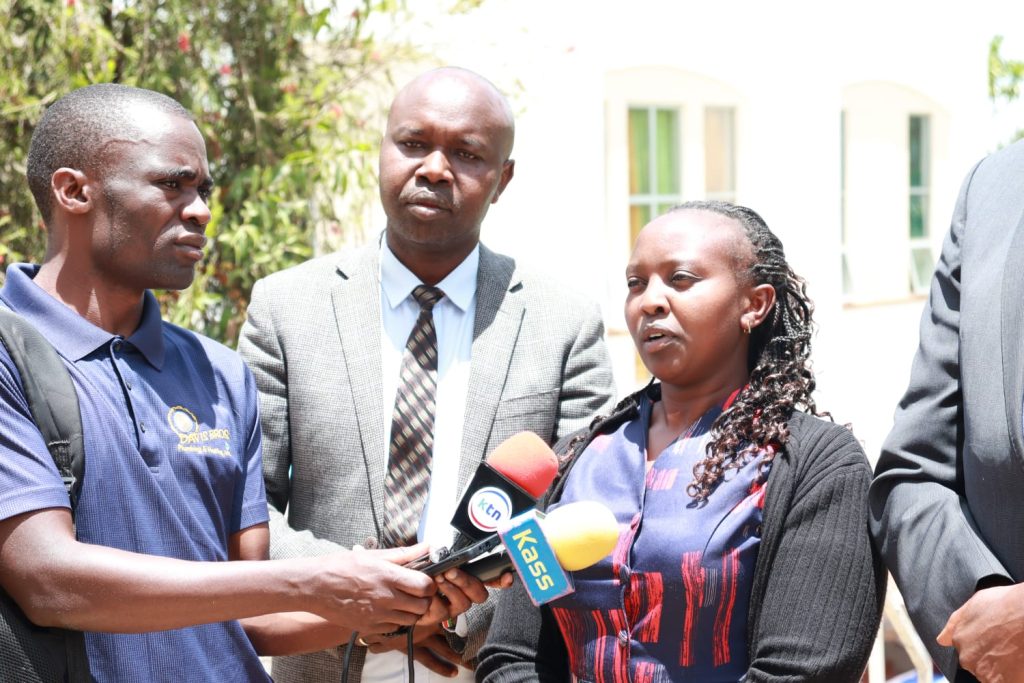
Dr. Kotut noted that the county remains committed to supporting national reforms that directly benefit local farmers and strengthen agricultural systems.
Stakeholders shared their views, raising concerns while offering recommendations on the proposed animal identification and traceability system.
Discussions centered on improving livestock management, enhancing food safety, and expanding access to both local and international markets.
Livestock farming, particularly dairy and beef production, is one of the key economic activities in the county.
Leaders noted that adopting traceability systems would unlock greater value for farmers, enhance disease control, and position Uasin Gishu as a leader in modern, market-driven agriculture.
Livestock Director Mr. Abraham Kiptanui highlighted that the proposed system will improve disease surveillance, curb livestock theft through unique identification, and enable data-driven planning for better service delivery.
Farmers also raised concerns about implementation costs and the need for awareness, with assurances given that adequate support and sensitization will be provided.