

The Government has officially launched the process of enlisting mursik—the iconic Kalenjin fermented milk—into the United Nations Educational, Scientific and Cultural Organisation (UNESCO) lists of cultural heritage.
To kick-start the initiative, the Department of Culture, Arts and Heritage is convening a three-day workshop in Eldoret to build national capacity in safeguarding intangible cultural heritage and advancing sustainable cultural development.
Opening the workshop, Director Kiprob Lagat of the State Department of Culture, Arts and Heritage underscored the urgency of documenting mursik as a cultural treasure, warning that shifts in traditional preparation methods are putting the practice at risk.
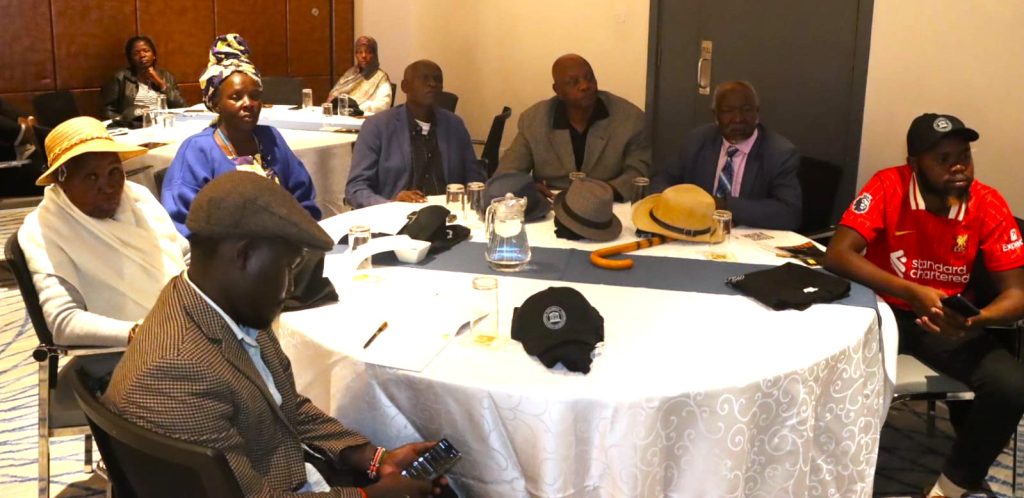
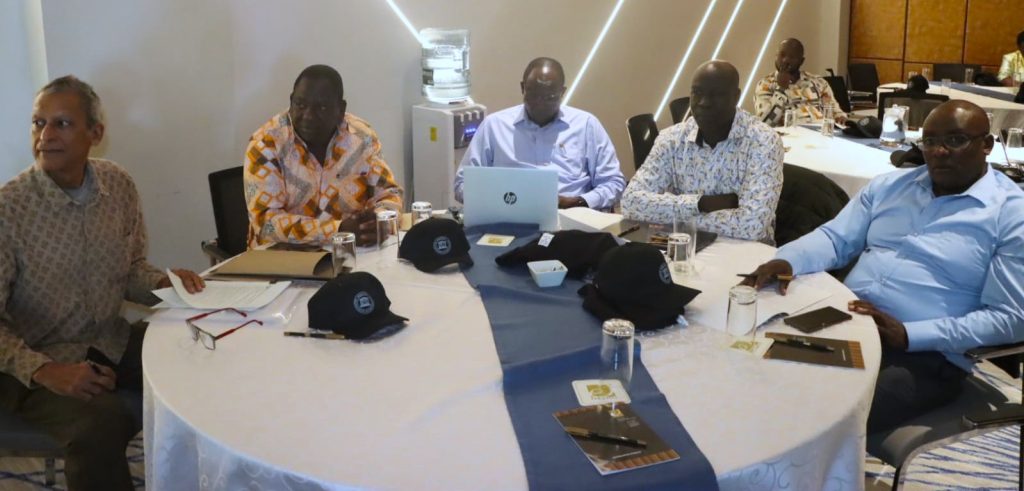
He noted that the decline of medicinal herbs used to treat the traditional guards, coupled with a growing preference for modern milk-storage containers, threatens the authenticity of the mursik tradition. Dr. Lagat emphasized the continued use of traditional guards, cautioning that alternatives such as jerrycans pose potential health risks.
Lagat further revealed that Kenya has already secured UNESCO listing for five cultural elements, among them the Maasai rite of passage, the Isukuti dance of the Idakho and Isukha communities, cultural practices at the sacred Kaya Forest, and Kit Mikayi.
As part of the mursik listing process, a joint team from UNESCO and the Department of Culture will tour villages in Kaptagat, Turbo, and Kapseret to observe the preparation of mursik firsthand.
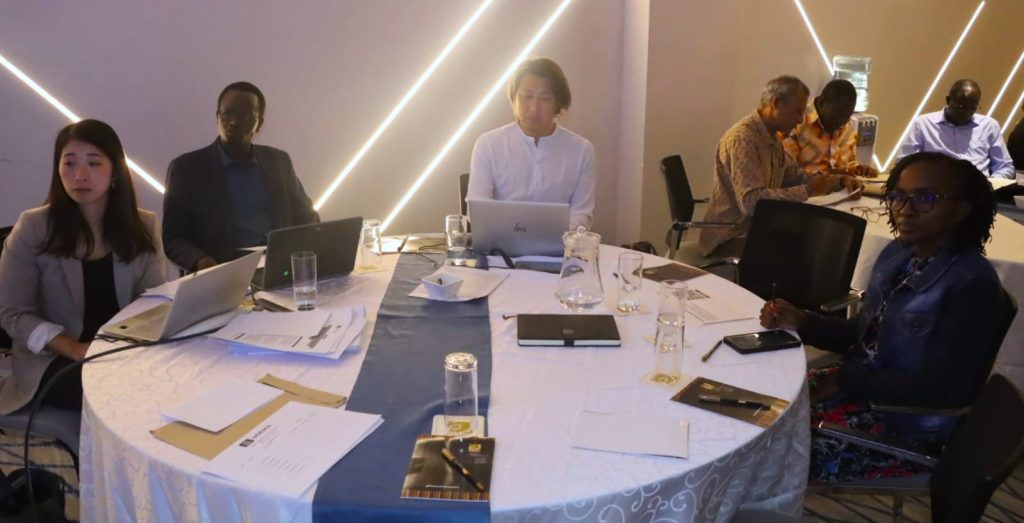
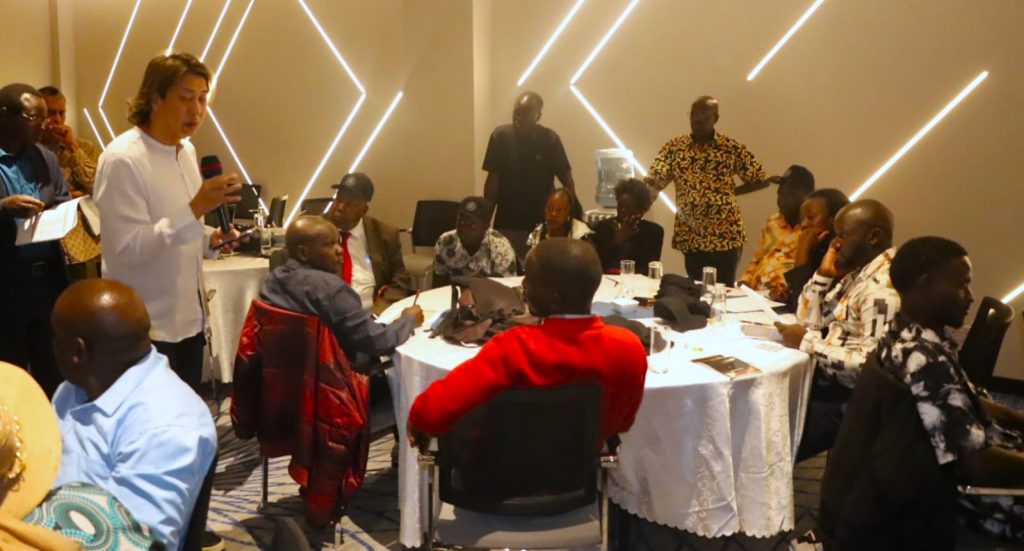
County Executive Committee Member for Culture, Eng. Lucy Ng’endo, welcomed the move, saying the recognition process affirms the government’s commitment to preserving cultural identity. “We are honoured that the government is taking deliberate steps to ensure we don’t lose our culture,” she said.
She added that even with rapid technological change, traditional practices such as mursik making remain central to community identity.
Deputy Director of Culture Paul Sambu was also in attendance.