

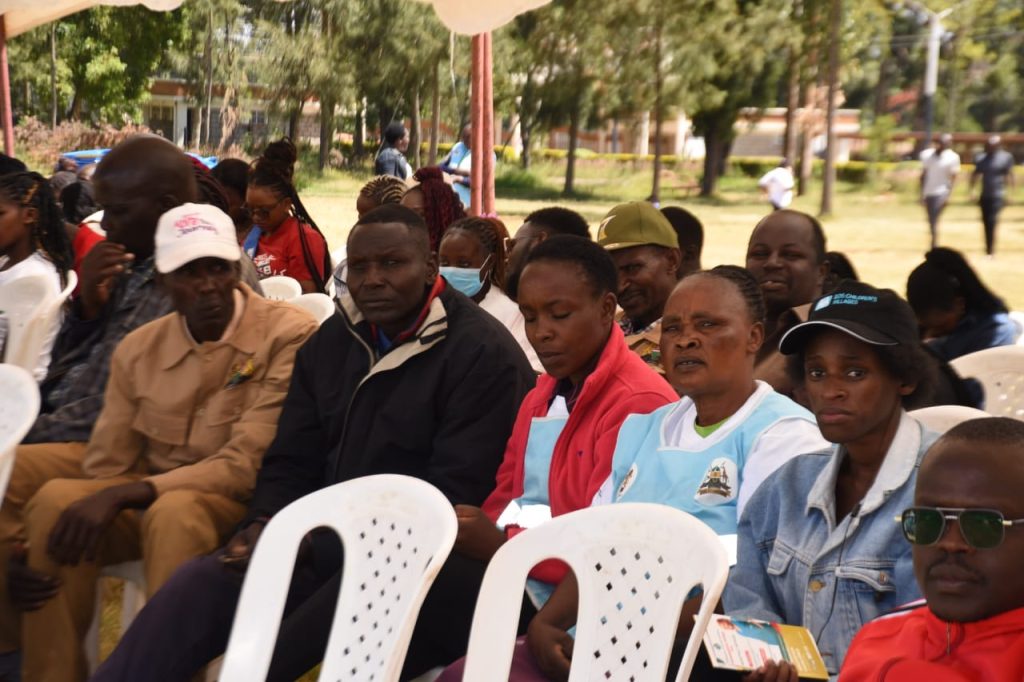
Uasin Gishu County today joined the global community in marking World AIDS Day, bringing together distinguished guests, national and county leaders, partners, health workers, community representatives, and residents for a moment of remembrance, reflection, and renewed commitment to ending the HIV epidemic.
The commemoration honoured the lives lost to AIDS, celebrated the strength of those living with HIV, and reaffirmed the county’s resolve to protect vulnerable communities.
Uasin Gishu has made notable progress. An estimated 41,565 residents are currently living with HIV, with an overall prevalence of 3.8 percent—slightly below the national average. Yet the burden remains significant: in the past year, the county recorded 764 new HIV infections and 870 AIDS-related deaths. Among children aged 0–14, 139 new infections were documented in 2024—painful reminders that behind every number is a real family affected.
Despite these challenges, the county’s treatment outcomes stand out nationally. Currently, 89.3 percent of people living with HIV know their status; 100 percent of those diagnosed are on treatment; and 95.9 percent have achieved viral suppression, enabling them to live healthier lives while reducing transmission.
“These achievements reflect the dedication of our health workers, the strength of our partnerships, and the courage of the people who continue to seek care,” the Governor said in a speech read by Promotive and Preventive Health Chief Officer, Dr. Paul Wangwe.






However, leaders raised alarm over a growing threat to adolescents and young women. In 2024, Uasin Gishu recorded 4,426 adolescent pregnancies, including 78 among girls aged just 10 to 14. Adolescents represented 13 percent of antenatal clinic attendance, 27 percent of all gender-based violence cases, and young people aged 15–24 accounted for 39 percent of new adult HIV infections.
“Our young people are at the centre of a triple threat—new HIV infections, teenage pregnancies, and gender-based violence,” the Governor warned.
He emphasized that the county cannot end AIDS without confronting these social drivers. Priority actions include scaling up sexuality education, expanding youth-friendly health services, strengthening GBV response, and keeping girls in school while cultivating communities that reject harmful gender norms.
Uasin Gishu is also adopting data-driven planning in line with the Kenya AIDS Strategic Framework, ensuring that targeted interventions reach the most at-risk populations. The county pledged continued investment in community health services and the protection of key HIV programs amid declining donor support.
“World AIDS Day reminds us that progress is possible—but only when we act together,” the Governor said. “Let us end stigma, support those living with HIV, and safeguard the dignity of every child, every woman, and every family.”
He reaffirmed the county’s commitment to achieving an AIDS-free Uasin Gishu by 2030, calling on all residents to stand with compassion, courage, and determination.
Together, he said, the county can protect its communities, secure the future of its young people, and build a healthier generation for years to come.
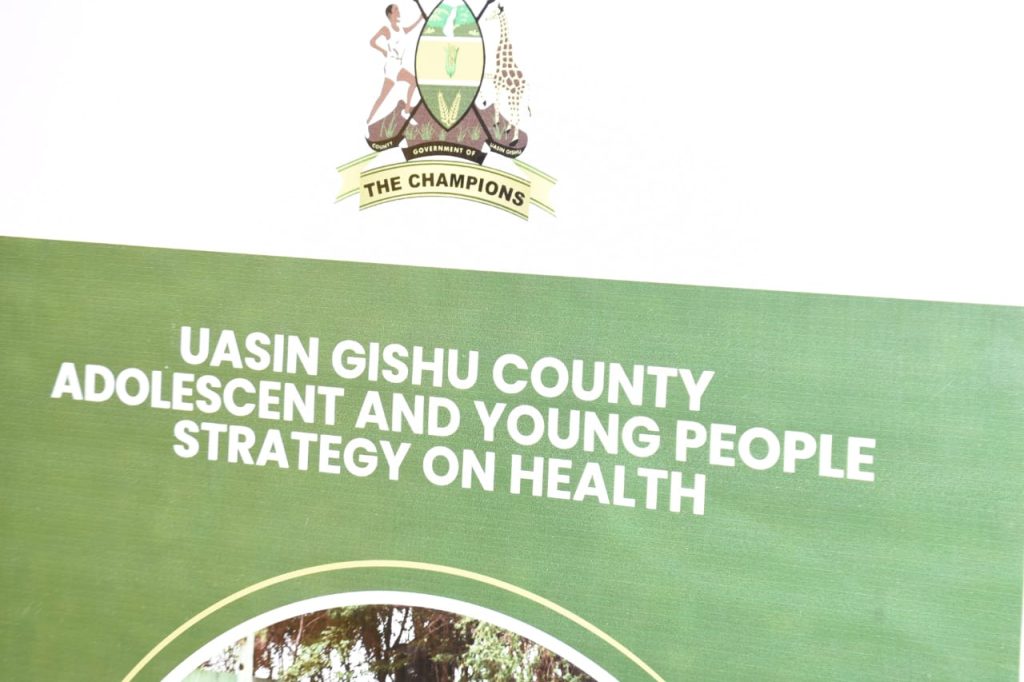
Dr. Wangwe also launched the Uasin Gishu County Adolescent and Young People’s Health Strategy.