
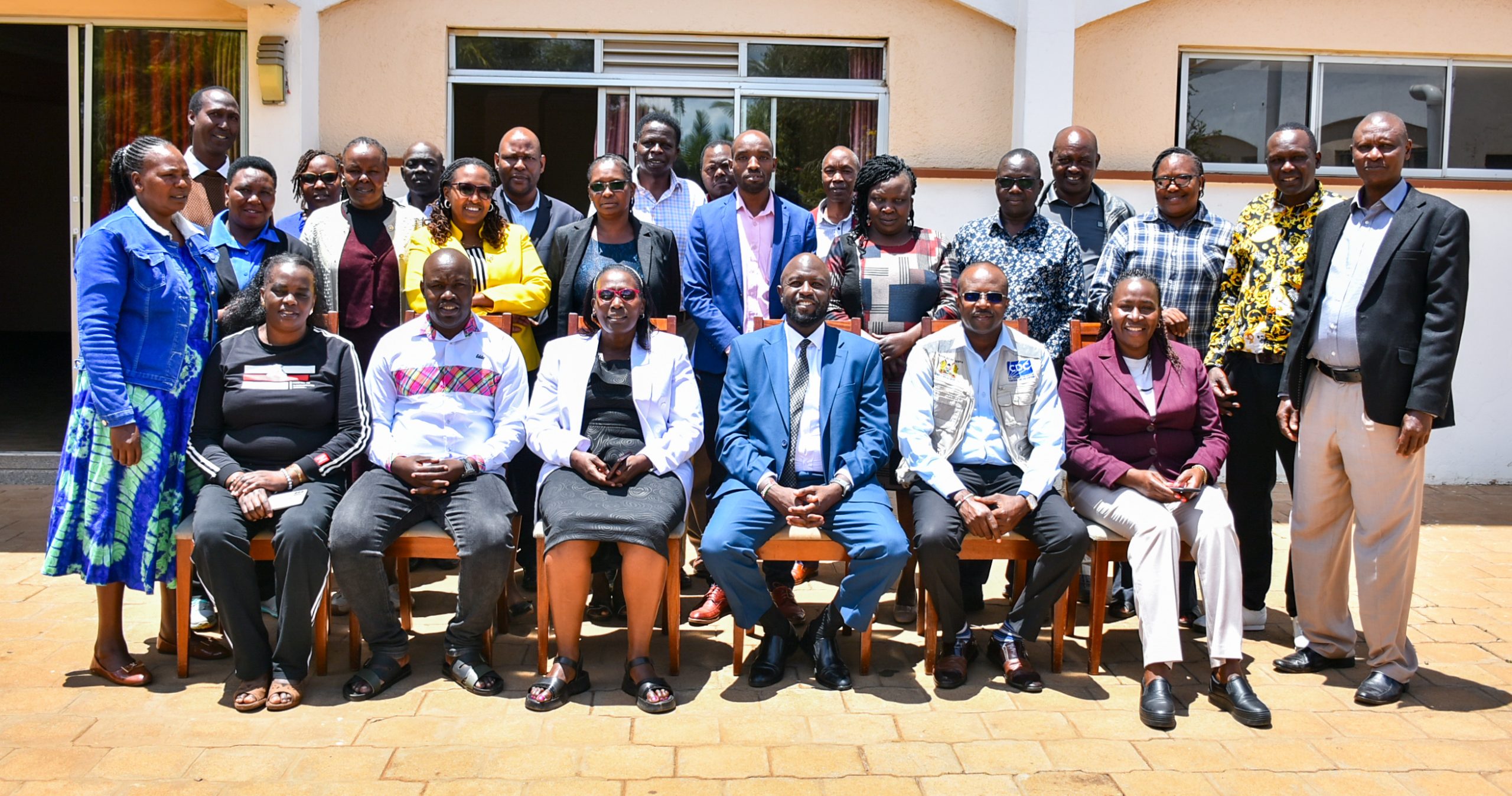
The County Government of Uasin Gishu, in collaboration with the Kenya National Public Health Institute (KNPHI) and Amref Health Africa, has conducted a training for county and sub-county health teams on Ebola Virus Disease (EVD) and El-Nino preparedness.
The training brought together teams from the six sub-counties of Turbo, Ainabkoi, Kapseret, Soy, Moiben and Kesses, focusing on preparedness, risk communication, response coordination and development of practical work plans.
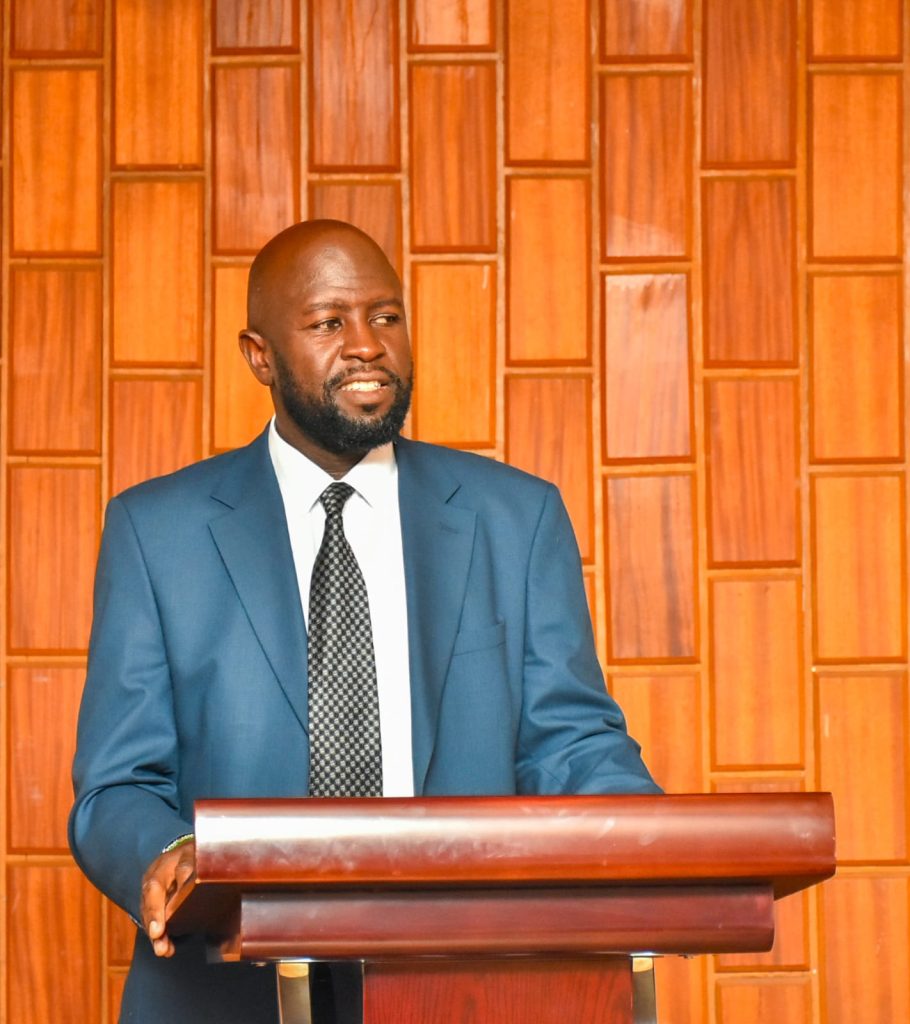
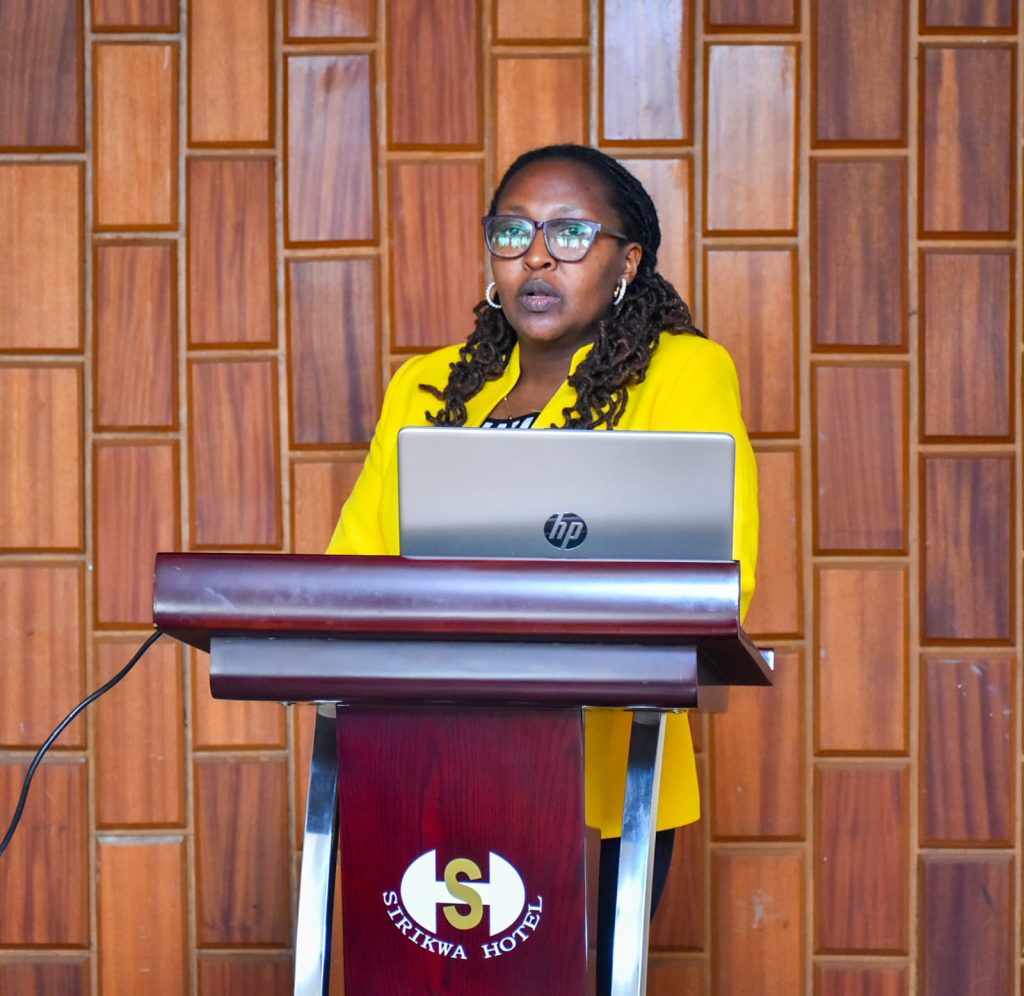
Speaking during the training, Chief Officer for Preventive and Promotive Health Services, Dr. Billy Lubanga, emphasized the importance of effective communication in preparing communities for public health risks, noting that health teams have a responsibility to equip the public with accurate and timely information.
“Everything rises and falls on how we communicate with the community. It is our responsibility to give the public the knowledge they need to protect themselves. Community Health Promoters are an important component of the response team, particularly in identifying and reporting risks at the community level,” said Dr. Lubanga.
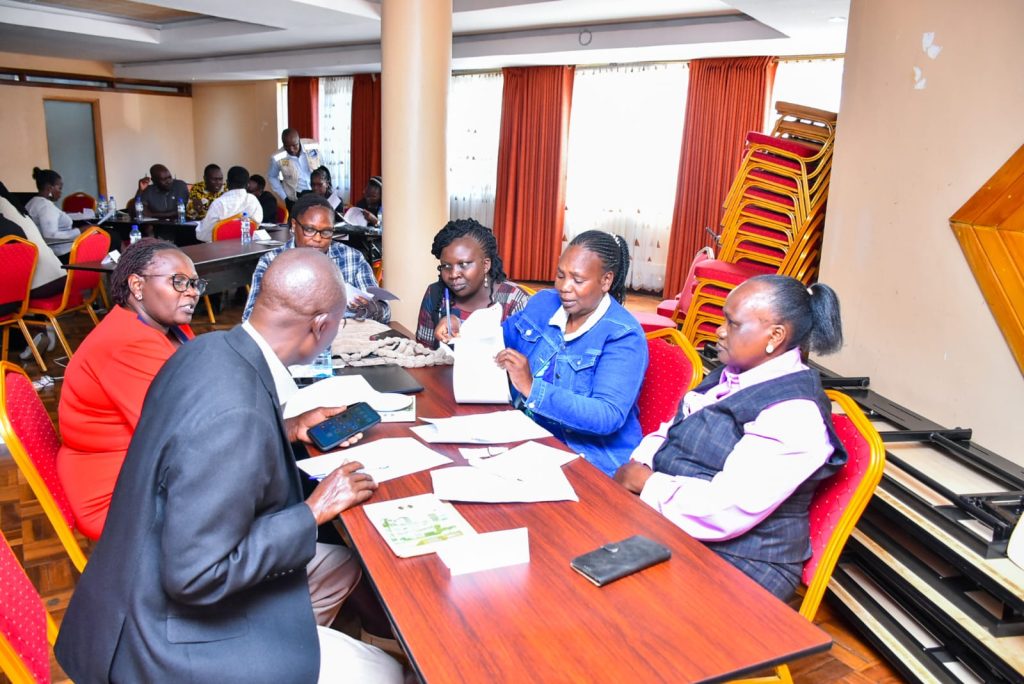
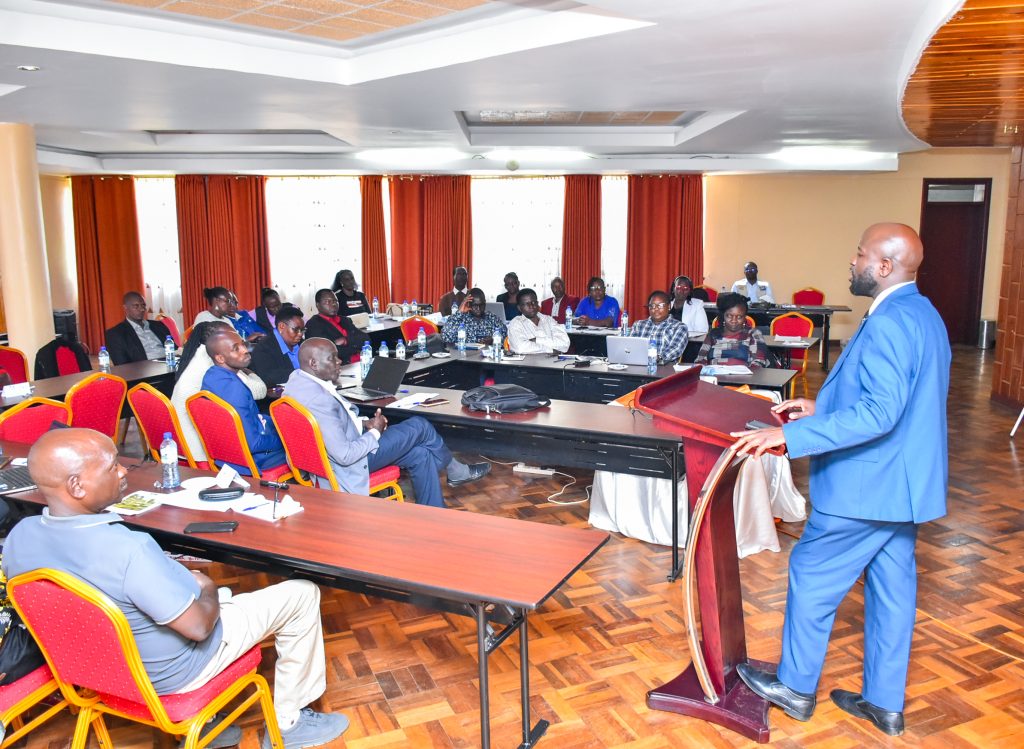
He noted that the training had adopted a Training of Trainers (TOT) approach, with the expectation that participants would cascade the knowledge to other health workers and community teams. He also called on each sub-county to establish a Rapid Response Team (RRT) and approach preparedness holistically, particularly in view of risks associated with EVD and El-Nino rains.
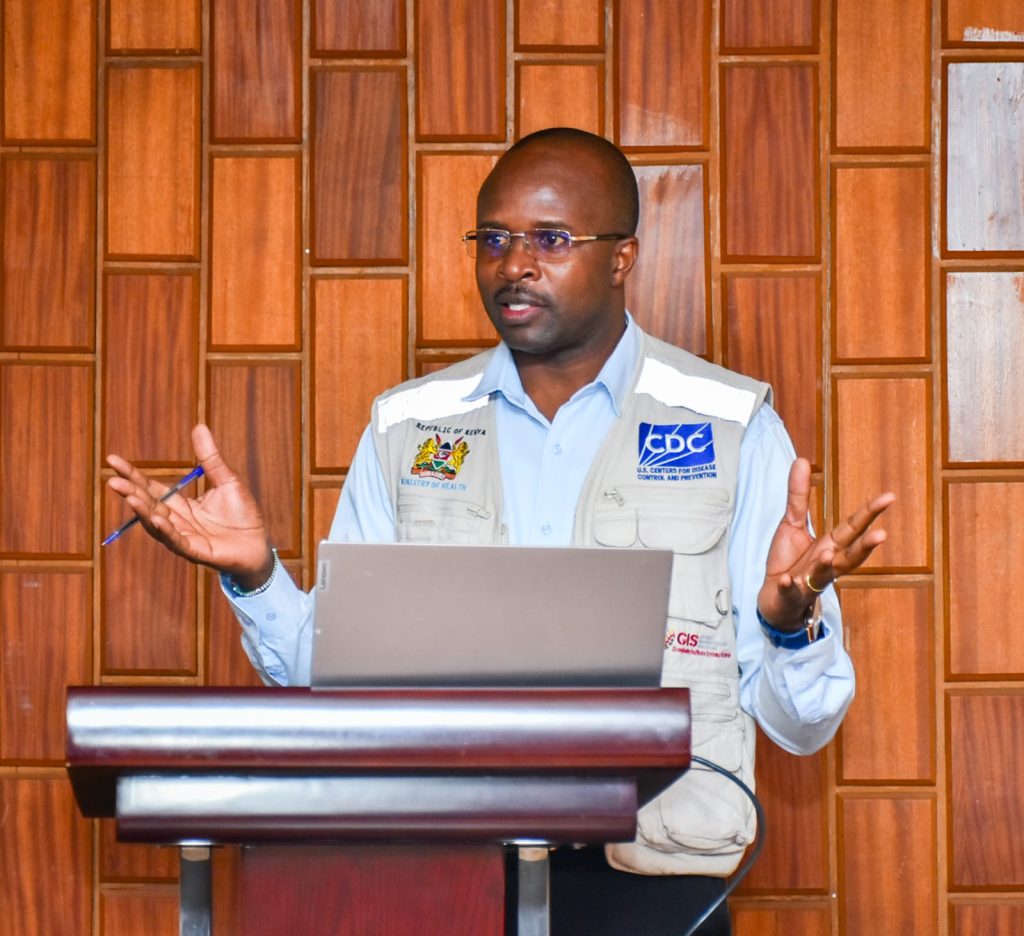
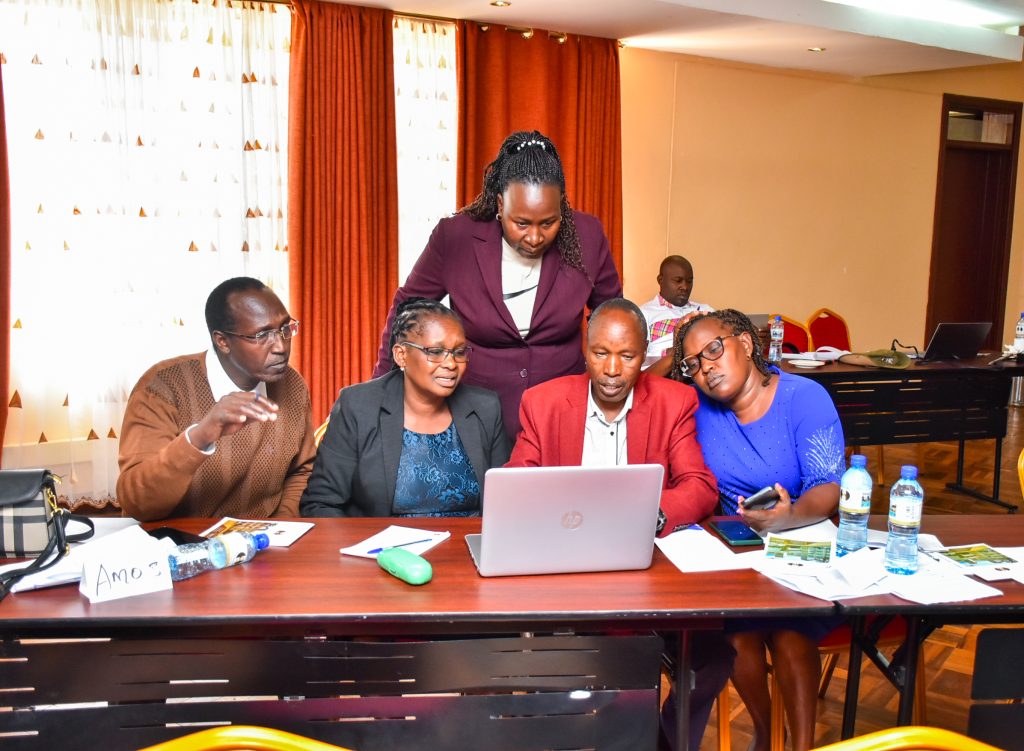
The Kenya National Public Health Institute Epidemiologist, Oscar Gaunya, led sessions on developing effective work plans, including key steps in work-plan development, group discussions and Top/Desk Top simulation exercises. Participants also developed and presented work plans aimed at strengthening preparedness and coordinated response at the Sub-County level.
Edwin Isaac Onyango, EVD Programme Officer at Amref Health Africa, emphasized the importance of translating the training into coordinated action at the facility and community levels.
He urged the teams to use the knowledge gained to strengthen early detection, timely reporting, risk communication and response coordination, noting that preparedness requires every team member to understand their role before an emergency occurs.