The County Government of Uasin Gishu, under the leadership of Governor Jonathan Bii Chelilim, has stepped up investment in agriculture with a deliberate focus on strengthening the livestock sector, which continues to serve as the backbone of livelihoods for thousands of farming families.
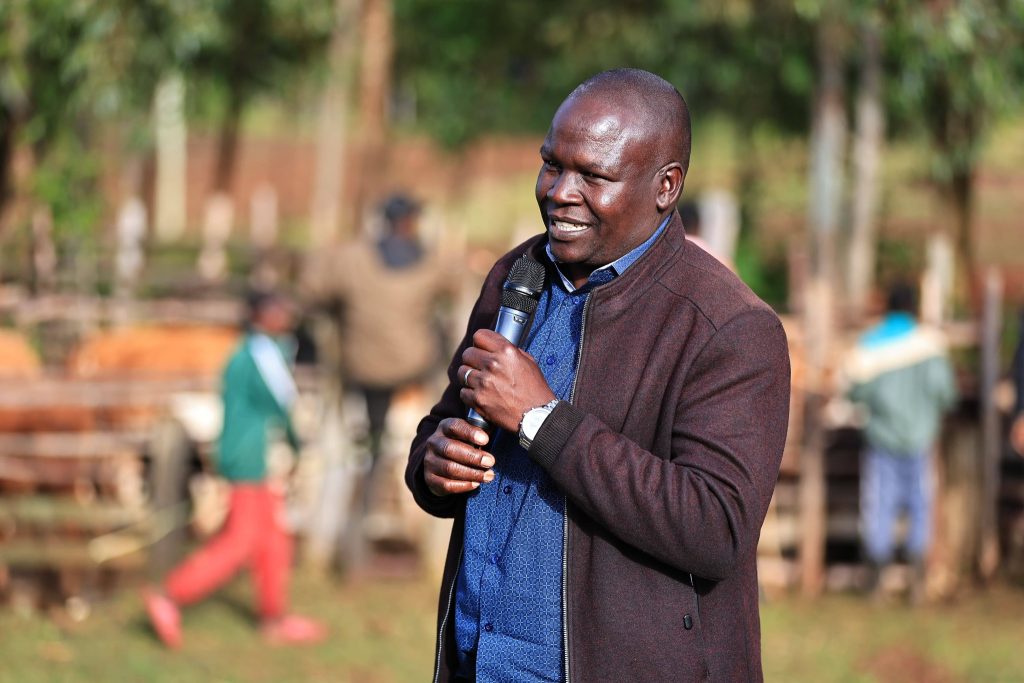
Speaking today during a recent development engagement, Governor Bii reaffirmed his administration’s commitment to transforming livestock production through improved animal health services, expanded infrastructure, and enhanced market access for farmers.
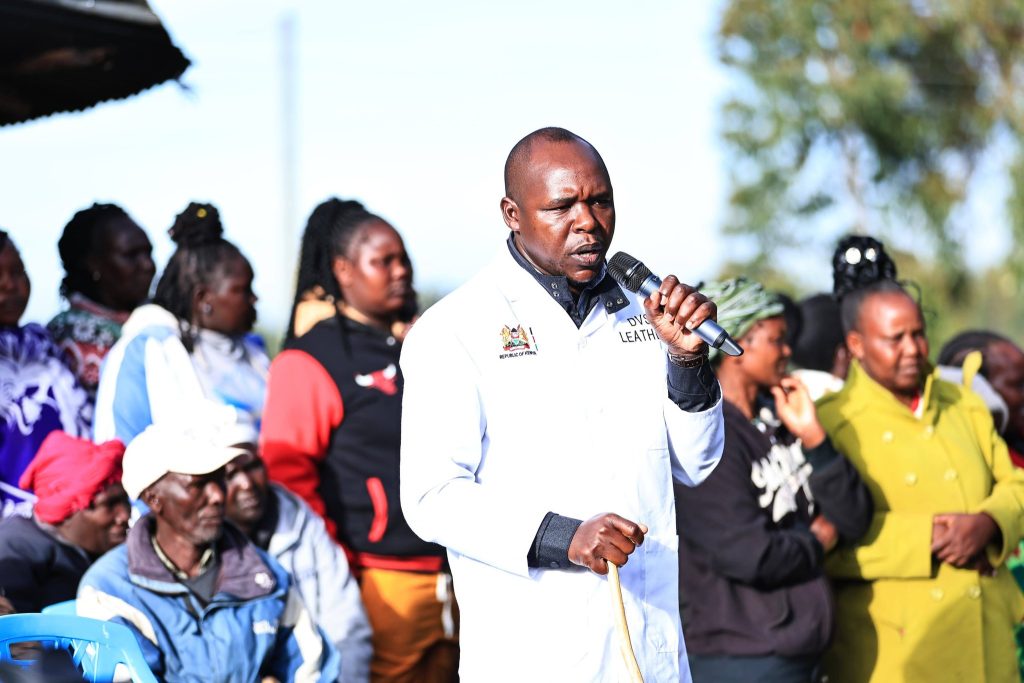
“We are deliberately investing in strengthening our agricultural backbone, with special focus on the livestock sector because it sustains our people,” Governor Bii said. “When we protect livestock, we protect incomes, food security, and the dignity of our farmers.”
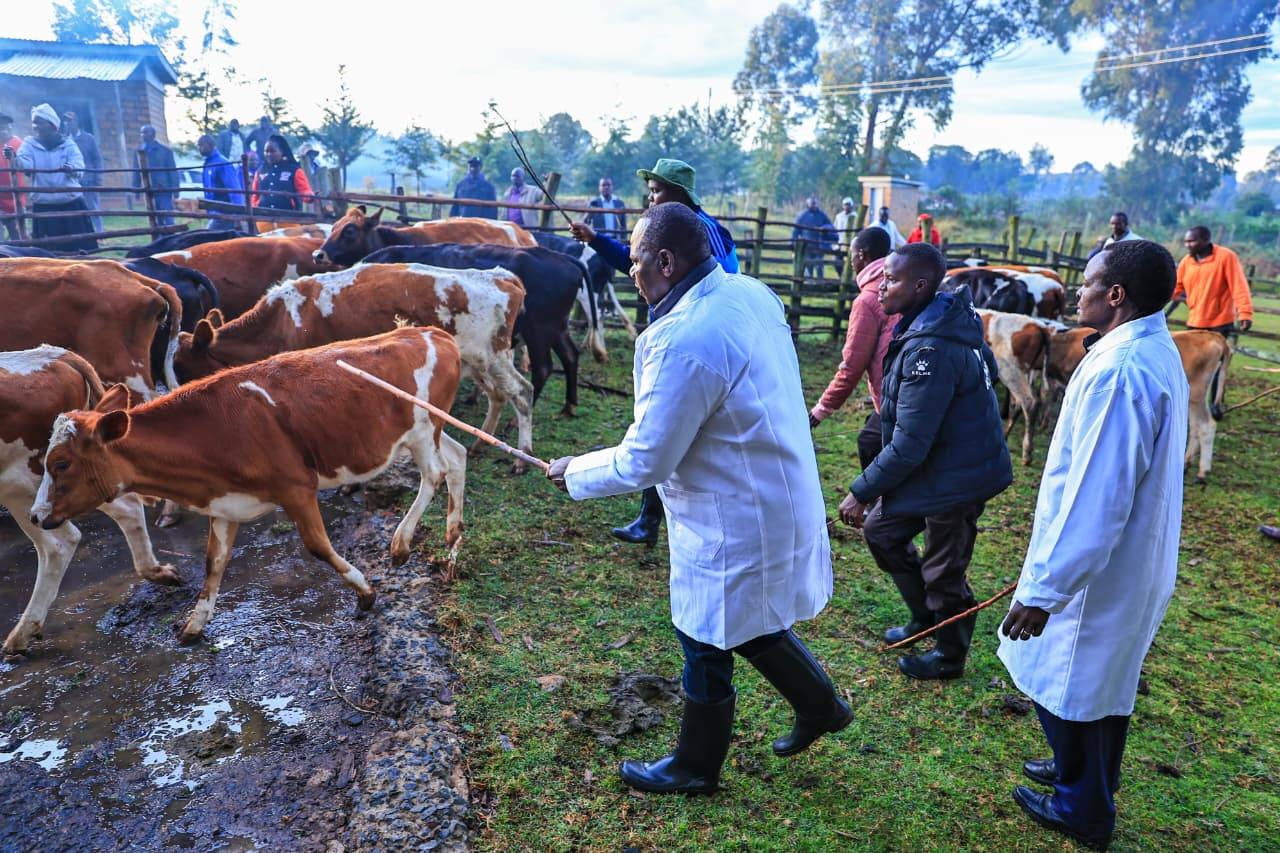
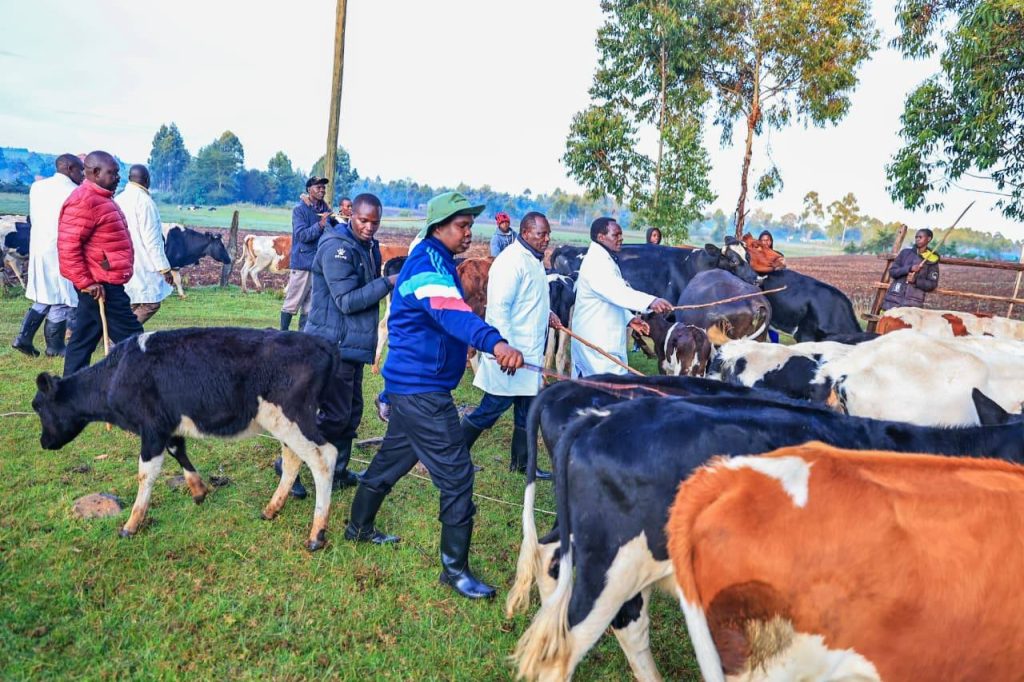
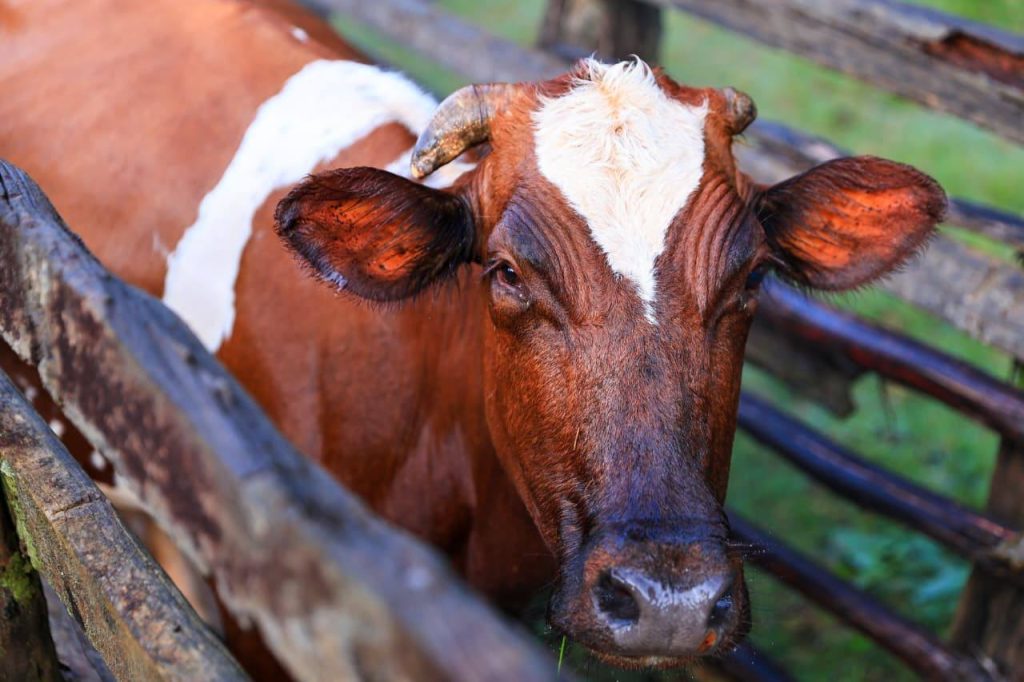
As part of these interventions, the county has successfully vaccinated a record 135,000 animals against Foot and Mouth Disease (FMD). The large-scale campaign is aimed at curbing the spread of the highly contagious disease, which has historically affected livestock productivity, reduced incomes for farmers, and limited access to competitive markets.
Governor Bii emphasized that disease control remains a critical pillar in unlocking the full potential of the livestock sector.
“A healthy herd is the foundation of a strong agricultural economy. We cannot talk about markets and trade if we have not secured the health of our animals,” he added.
In addition to the FMD vaccination programme, the county is currently rolling out Anthrax vaccination to further safeguard livestock. Anthrax, a serious and often fatal disease affecting both animals and humans, poses significant risks in livestock-reliant areas.
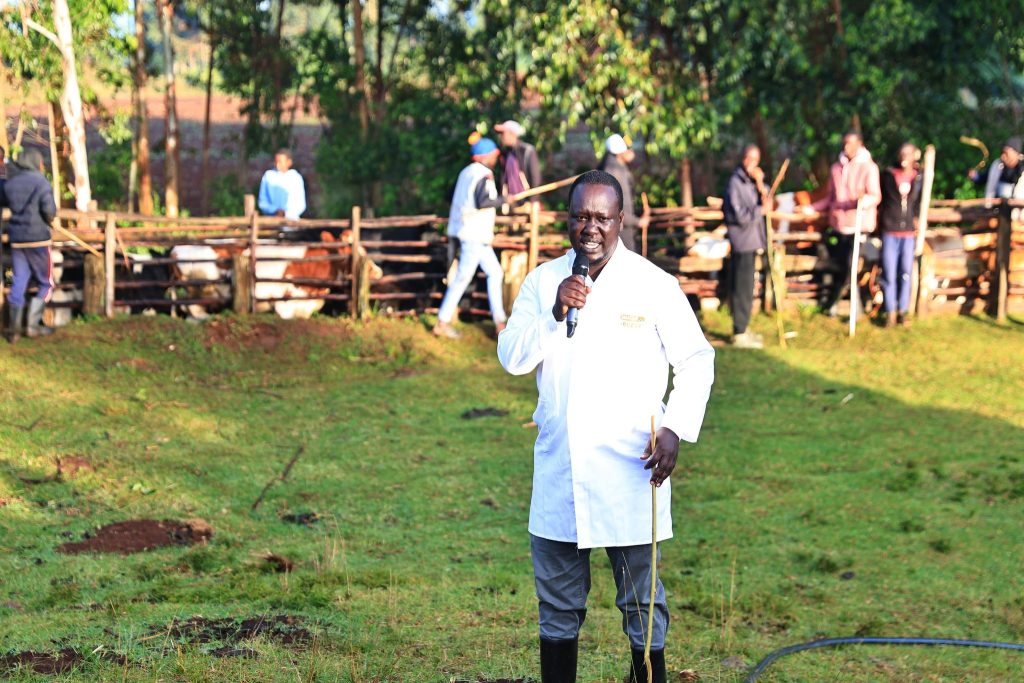

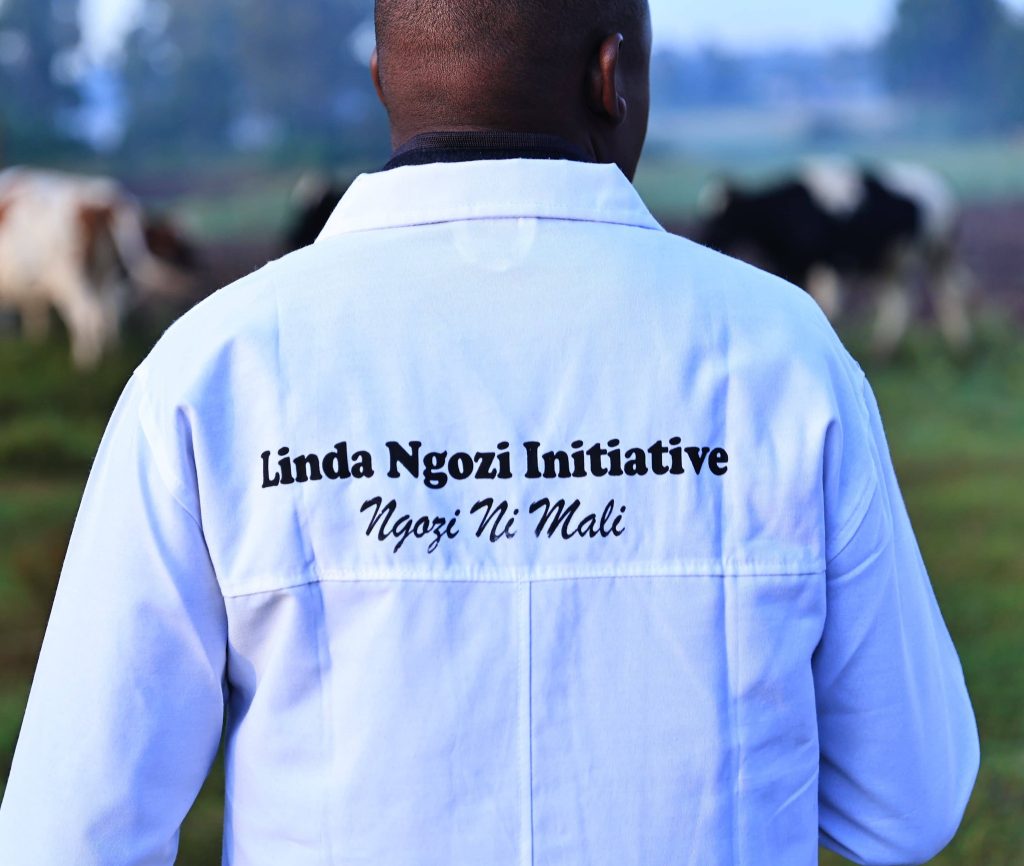
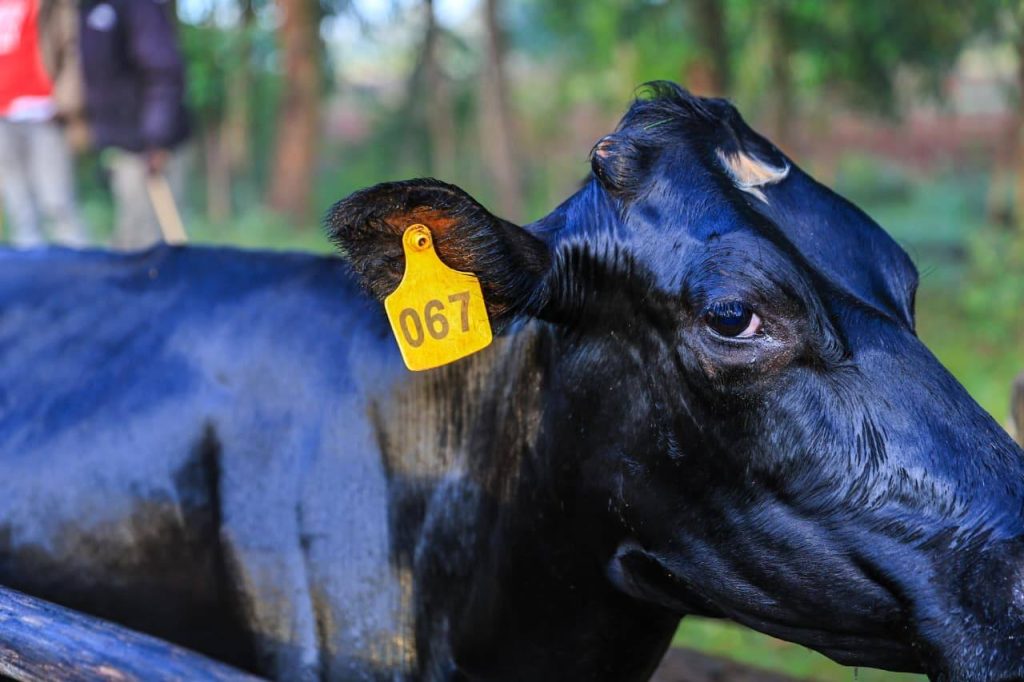
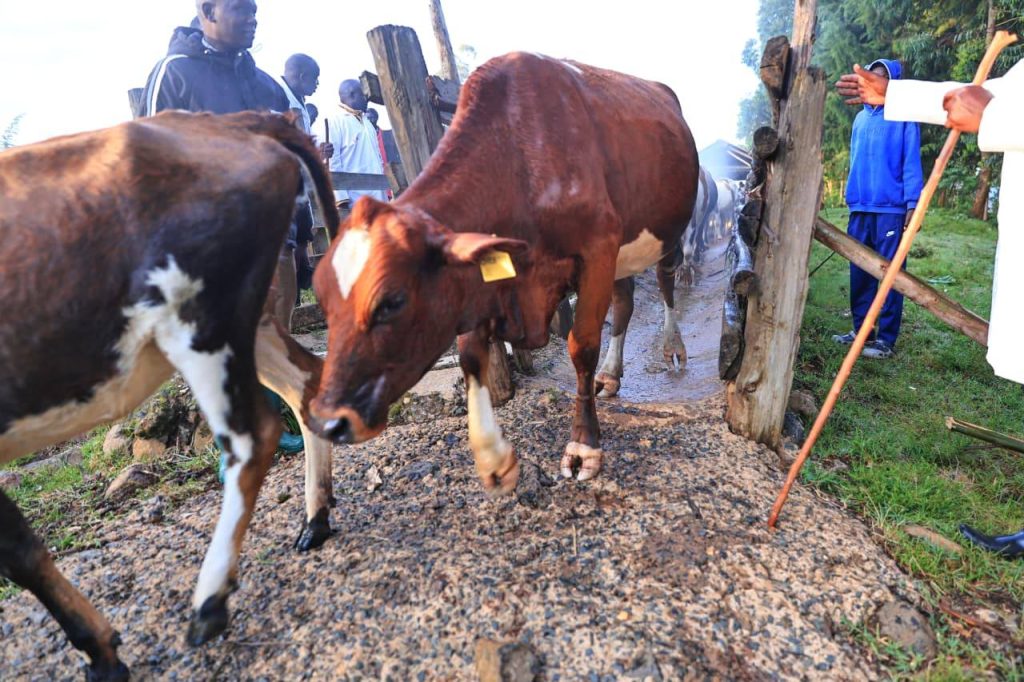
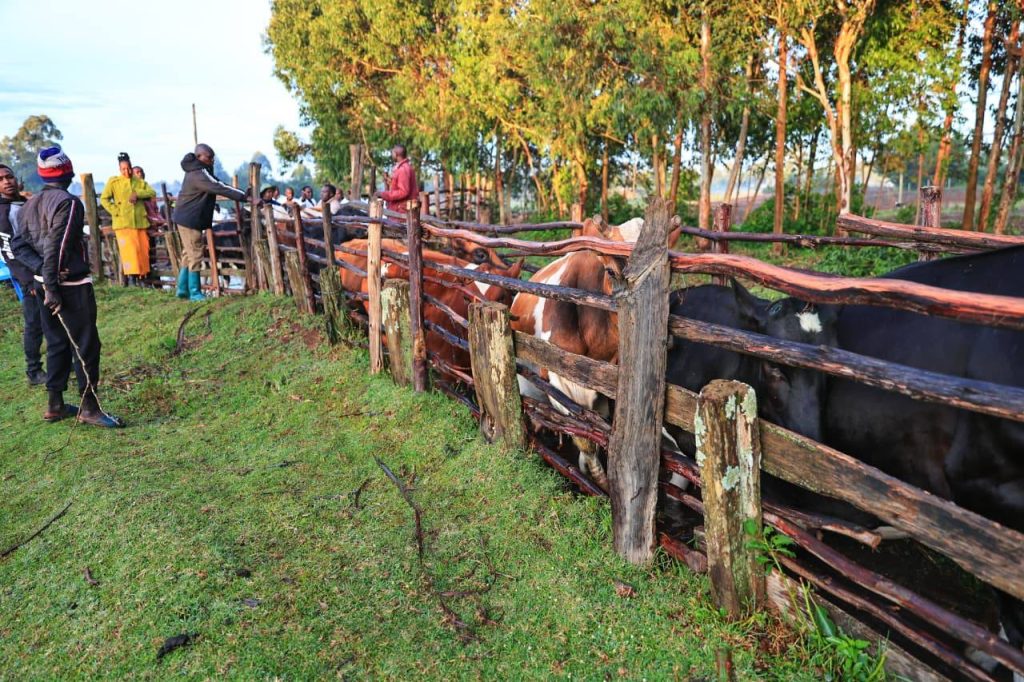
The ongoing vaccination exercise is expected to significantly reduce outbreaks, enhance herd survival rates, and strengthen overall public health protection.
“We are now rolling out Anthrax vaccination to ensure that no farmer loses animals to preventable diseases,” the Governor said. “Prevention is always better than cure, and this is the direction we are taking as a county.”
He further observed that these sustained efforts are not only improving livestock health but are also opening up new economic opportunities for farmers.
Improved disease control and compliance with animal health standards are positioning the county to tap into regional and international markets, including Nigeria and Ethiopia.
“These markets are within reach for our farmers,” Governor Bii noted. “But we must meet the required standards. That is why we are investing in animal health, quality assurance, and infrastructure.”
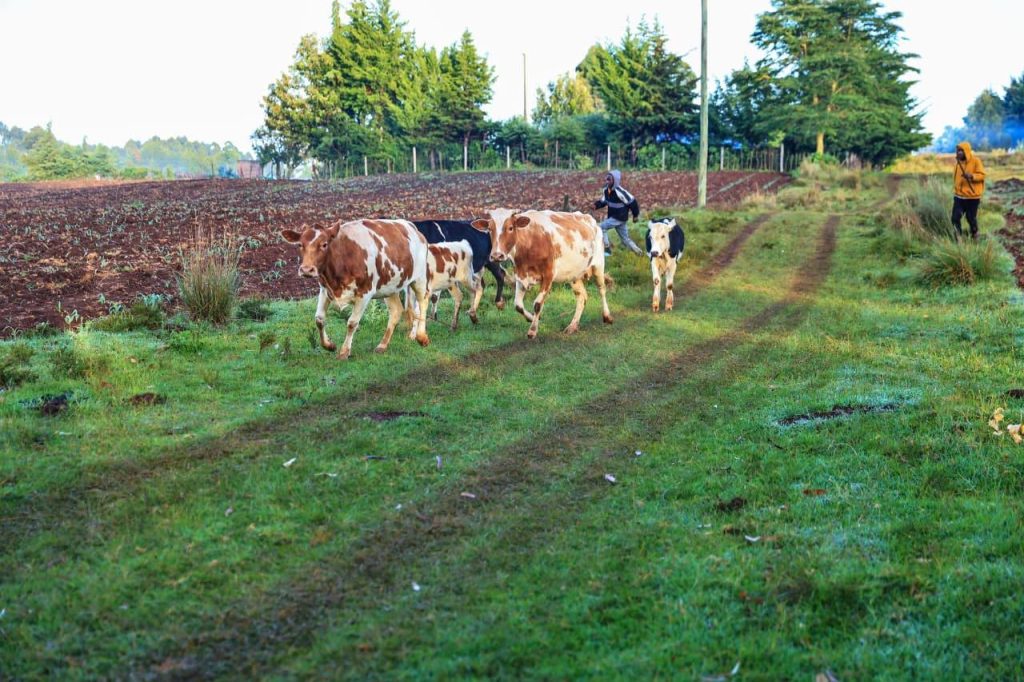
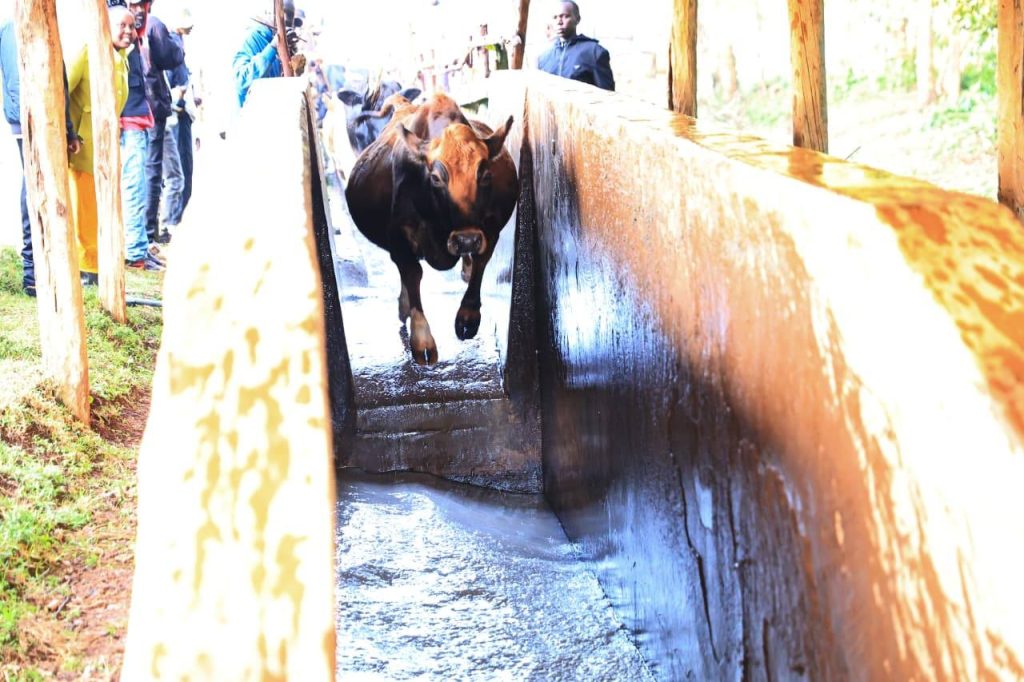
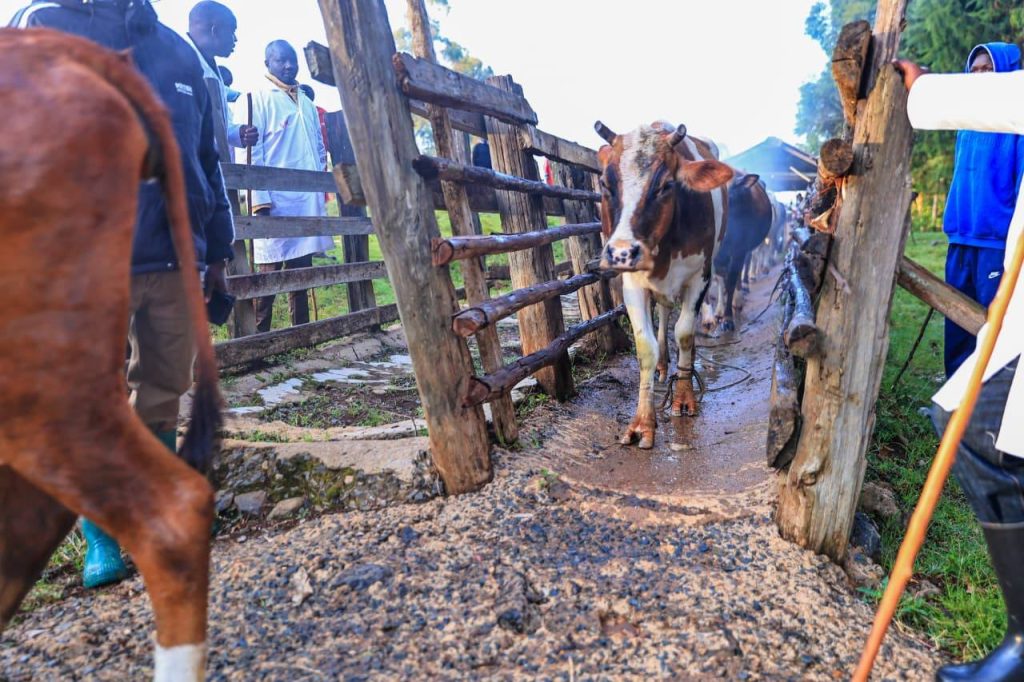
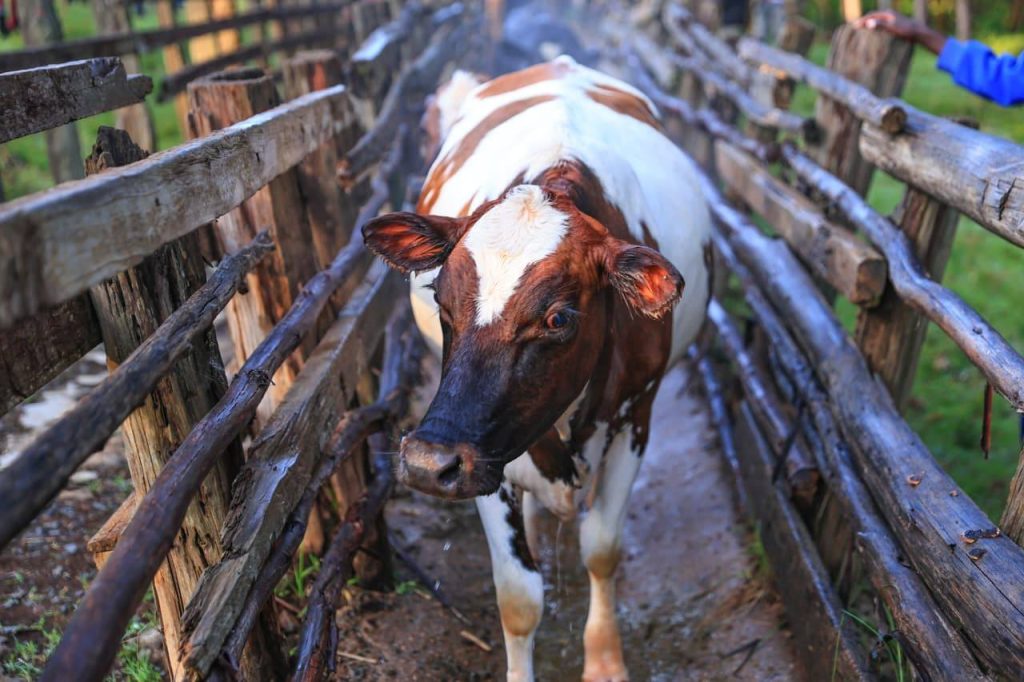
In a related development aimed at strengthening local livestock infrastructure, Governor Bii also announced the reopening and reactivation of the Ng’eleltarit cattle dip, which will now serve over 700 animals in its catchment area.
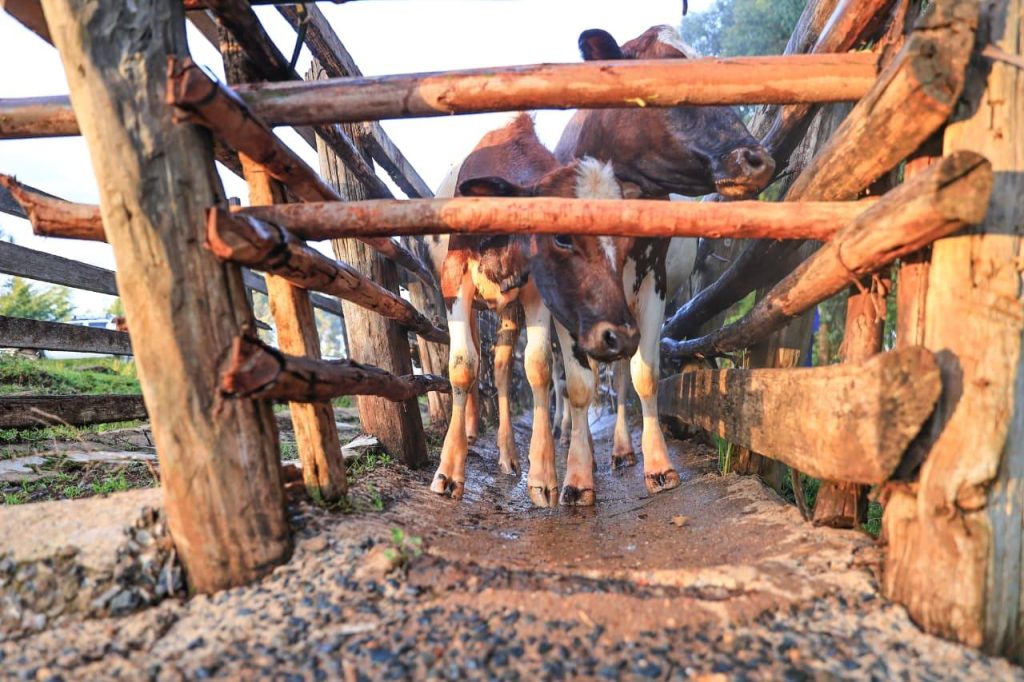

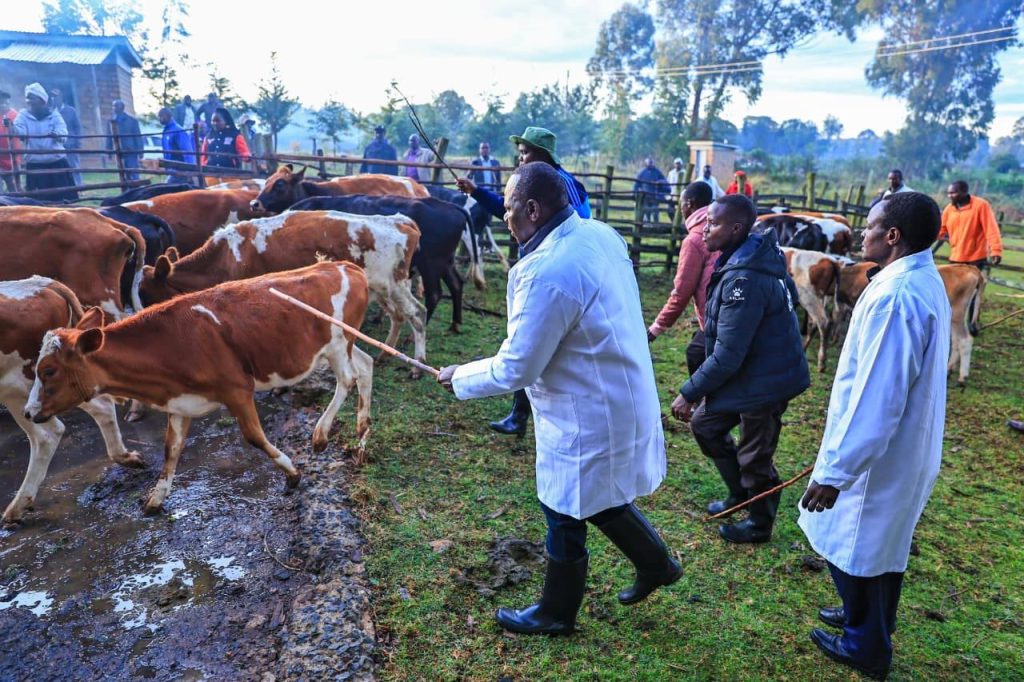
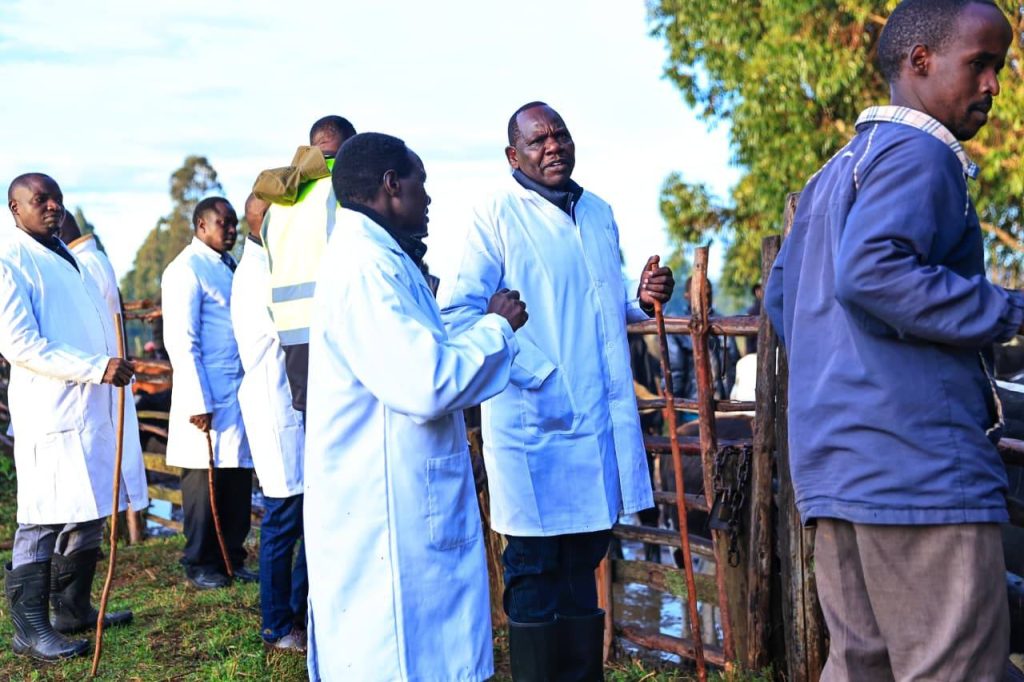
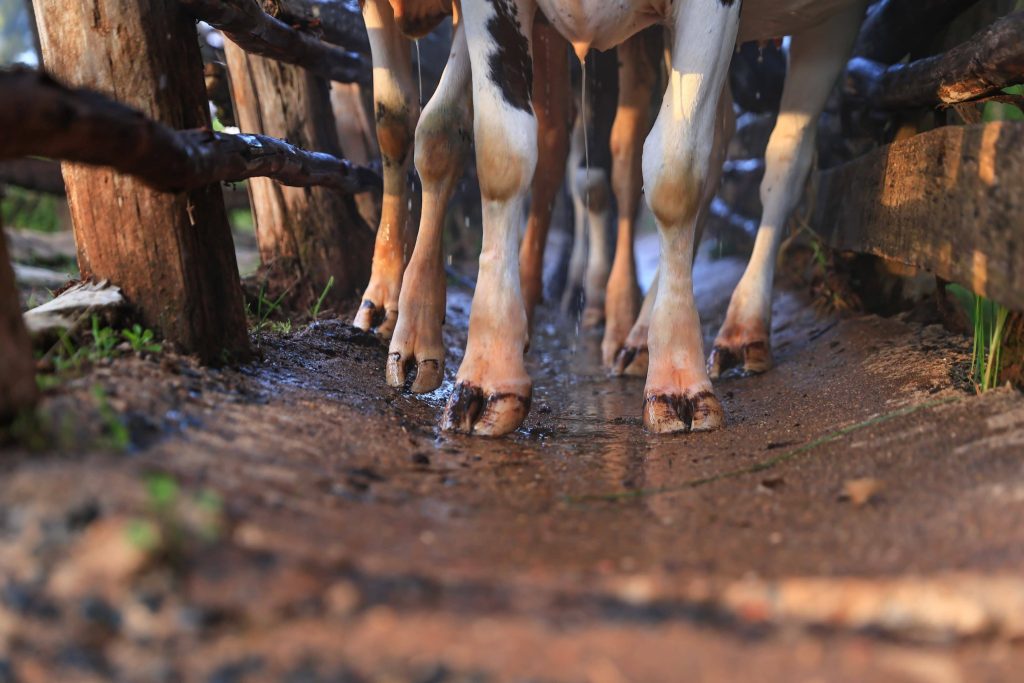

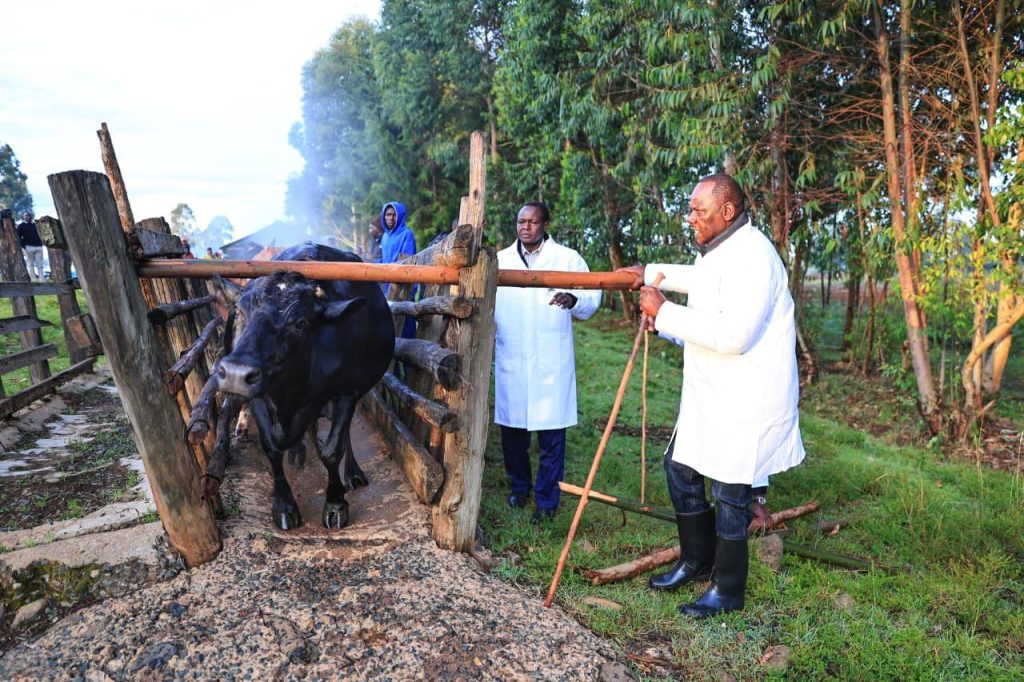
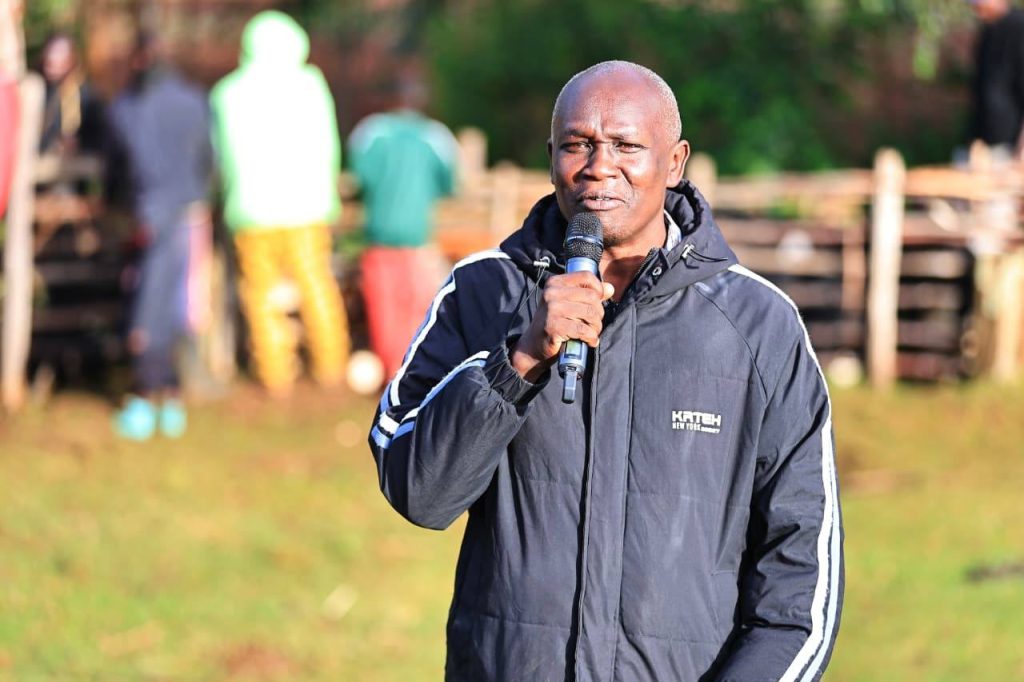
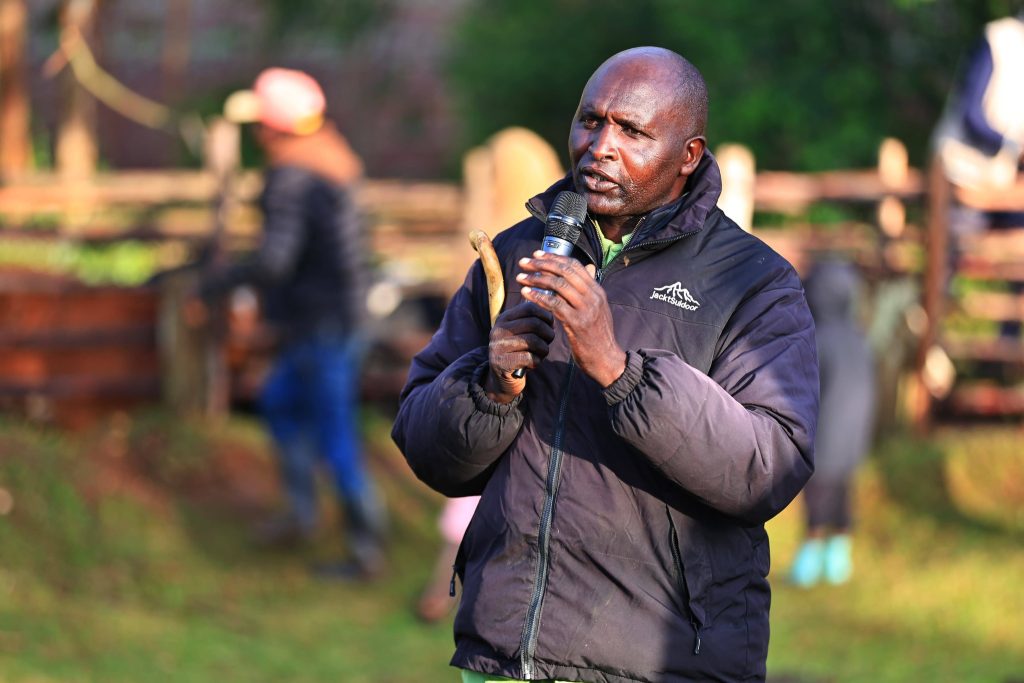
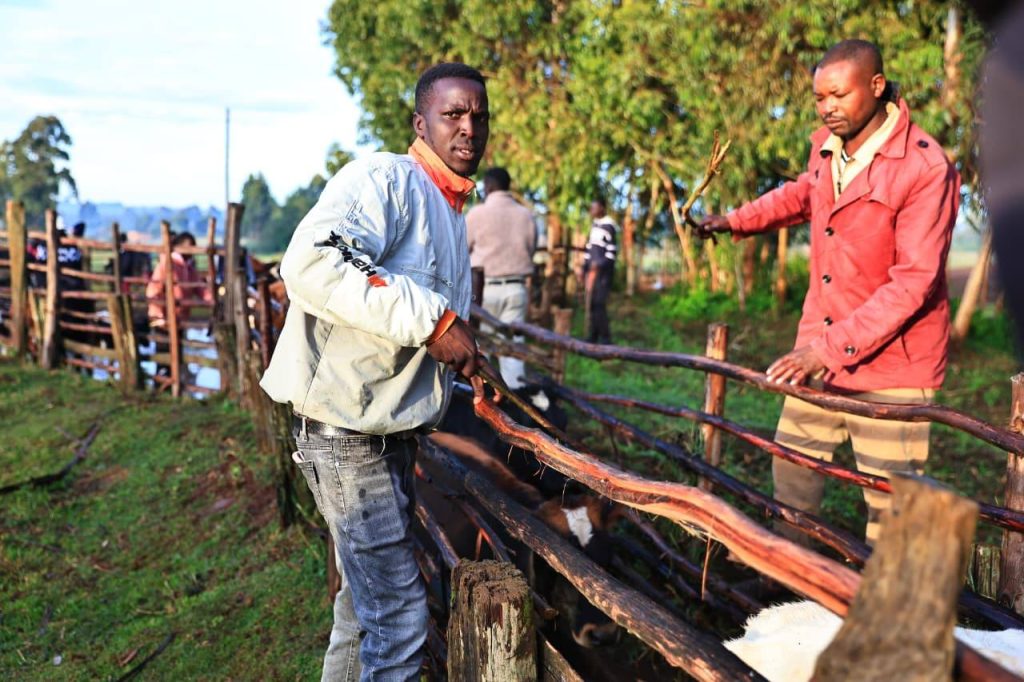
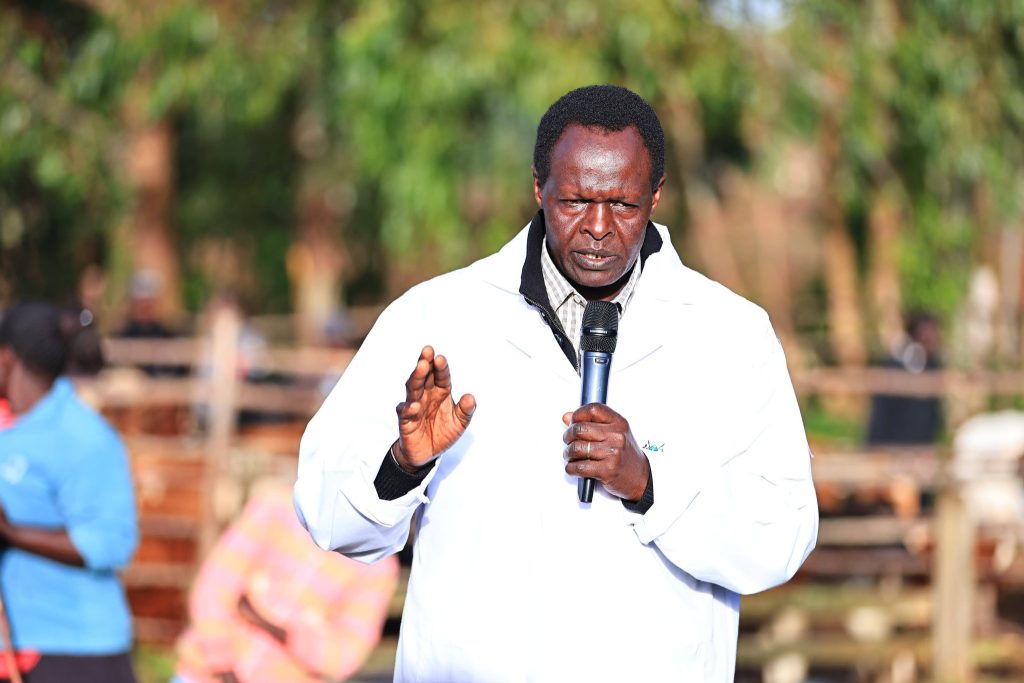
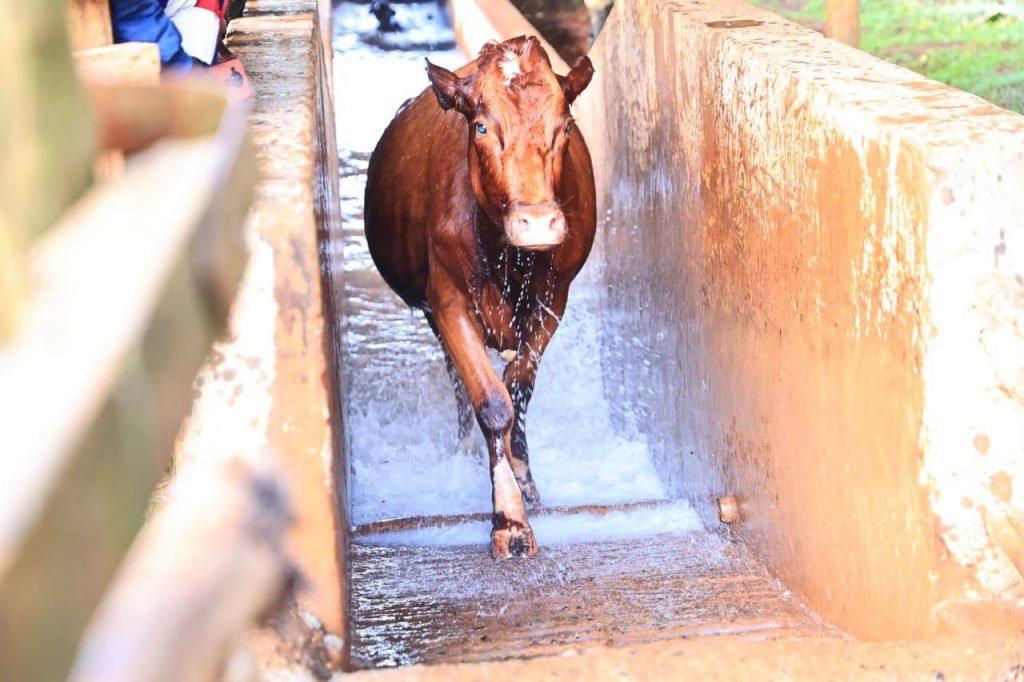
“This facility is back to life to serve our farmers directly,” he said. “It will reduce disease burden, improve productivity, and bring services closer to the people.”
Farmers welcomed the interventions, terming them timely and impactful. One local livestock keeper said, “This cattle dip has come at the right time. We have struggled with ticks and diseases for long distances. Now our animals will be healthier and we will save on costs,” said James Serem.
Graced Kiptui, another farmer, added, “Vaccination has given us hope. We are no longer losing animals like before. If this continues, livestock farming will truly be profitable again.”
Governor Jonathan Bii Chelilim reiterated that his administration remains committed to investing in agriculture as a key driver of food security, wealth creation, and sustainable economic growth, with livestock development taking centre stage in this transformation agenda.