
Health authorities in Uasin Gishu County have stepped up preparedness against a possible Ebola virus disease (EVD) outbreak, focusing on surveillance, infection prevention and control, case investigation, and coordination among healthcare workers.
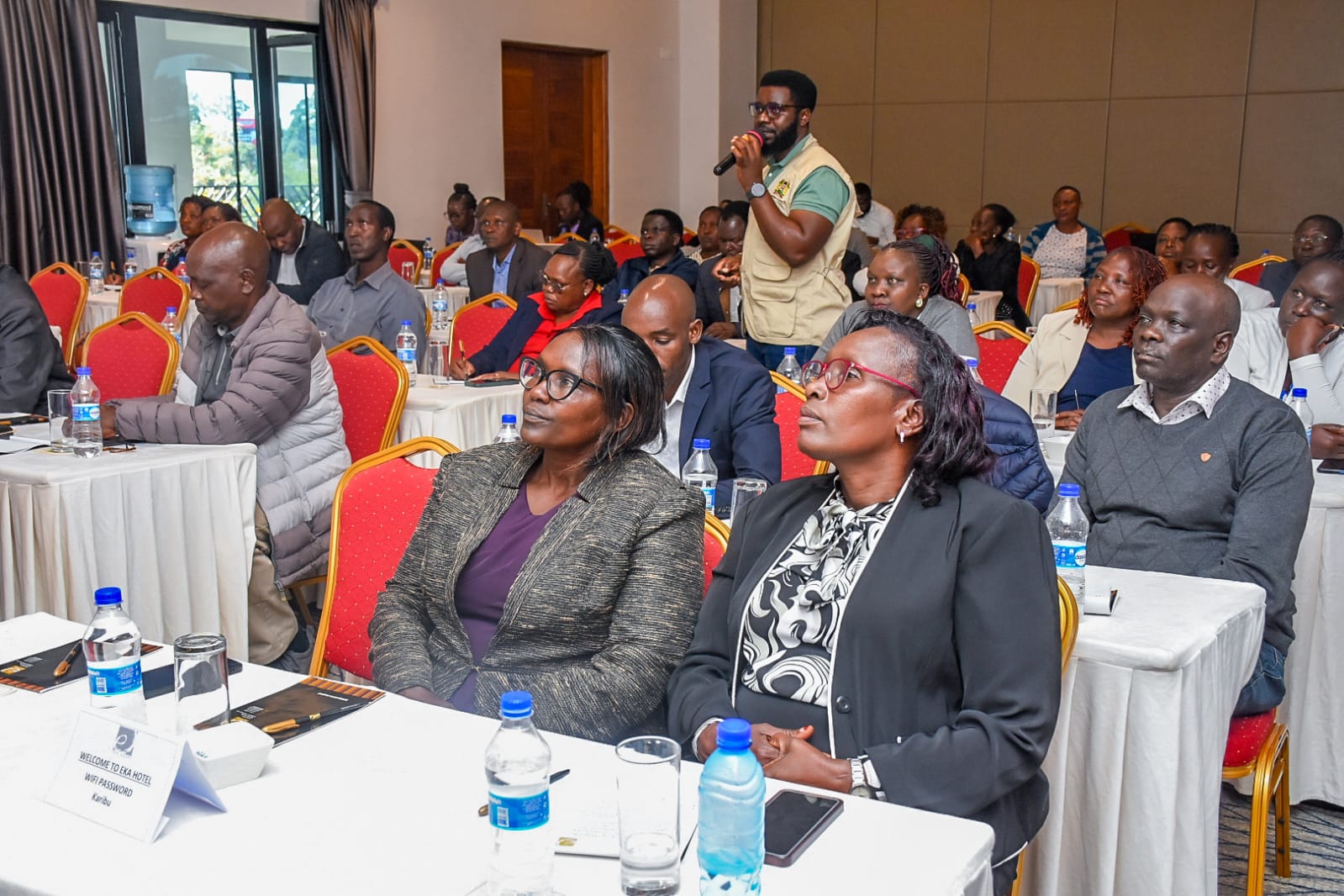
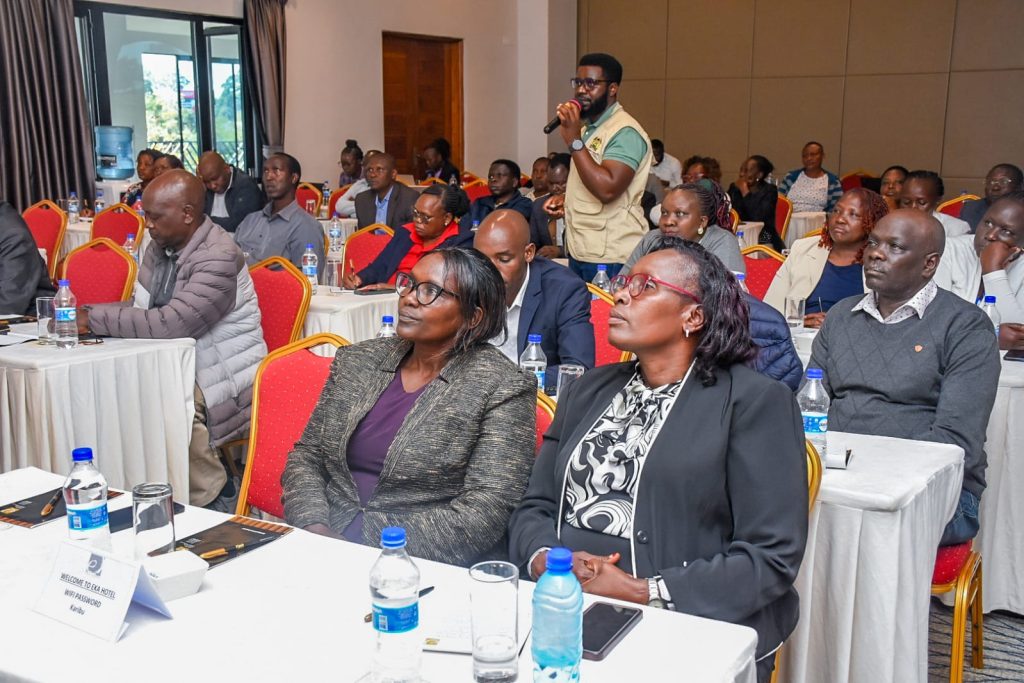
The County Department of Health Services conducted a training aimed at strengthening the capacity of health workers to detect, prevent and respond effectively to Ebola should a suspected case be reported.

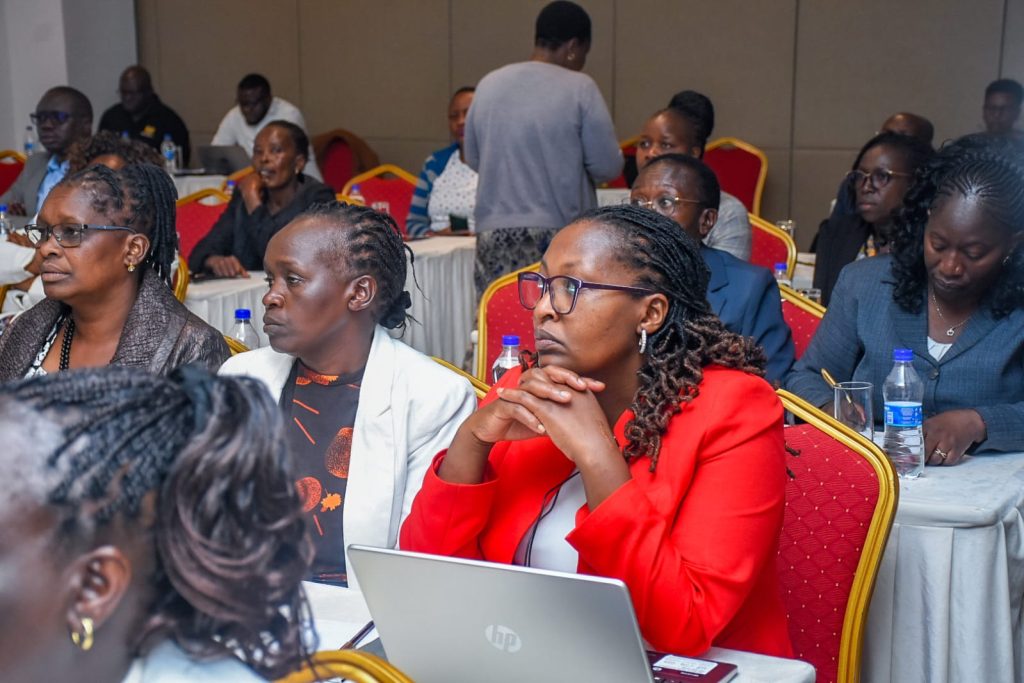
Director of Preventive and Promotive Services Laban Kiprop said the County is strengthening the readiness of health teams to ensure they can respond swiftly and effectively to any suspected case.
Kiprop emphasized that preparedness must remain a continuous process, urging health workers to remain vigilant, strengthen coordination and continuously improve response measures.
“We must remain aligned in our preparedness efforts and ensure every health team is ready to respond to any emerging threat,” he said.
Speaking during the training, Jude Oduor, who is the Public Health Emergency Operations Center Manager, highlighted the coordination of Ebola preparedness and response through the Incident Management System (IMS), emphasizing the importance of clearly defined roles, effective communication and coordination among response teams.
The training showcased the need for heightened preparedness in Uasin Gishu due to the county’s strategic position and high population movement.
The county hosts several specialized health facilities that attract patients from across the region, making it an important regional healthcare hub. It also hosts a major petroleum hub, which records significant movement of trucks and transporters through the county.
In addition, Eldoret Central Market serves as a major commercial centre for the North Rift, with extensive trade links extending to the Democratic Republic of Congo (DRC) and other parts of the region.
The high movement of people, patients, traders and transporters highlights the importance of maintaining strong disease surveillance, early detection and rapid-response capacity to minimize the risk of Ebola being imported and subsequently transmitted within the community.
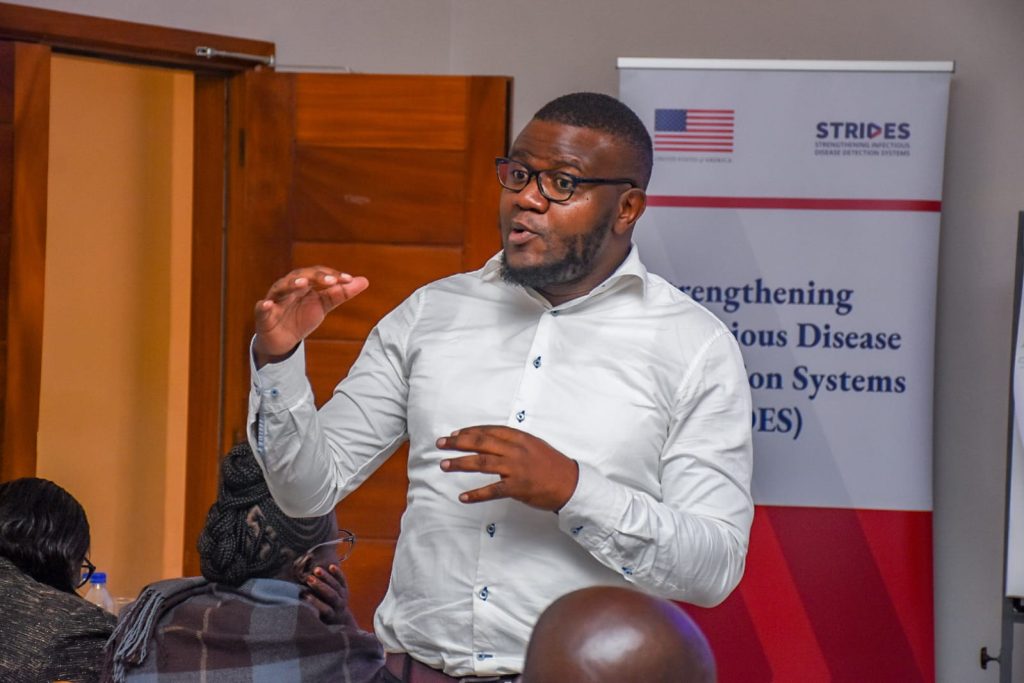
The session was followed by a presentation by Epidemiologist Wellington Oduol, who highlighted key case investigation procedures, including early identification and notification of suspected cases and contact tracing.