
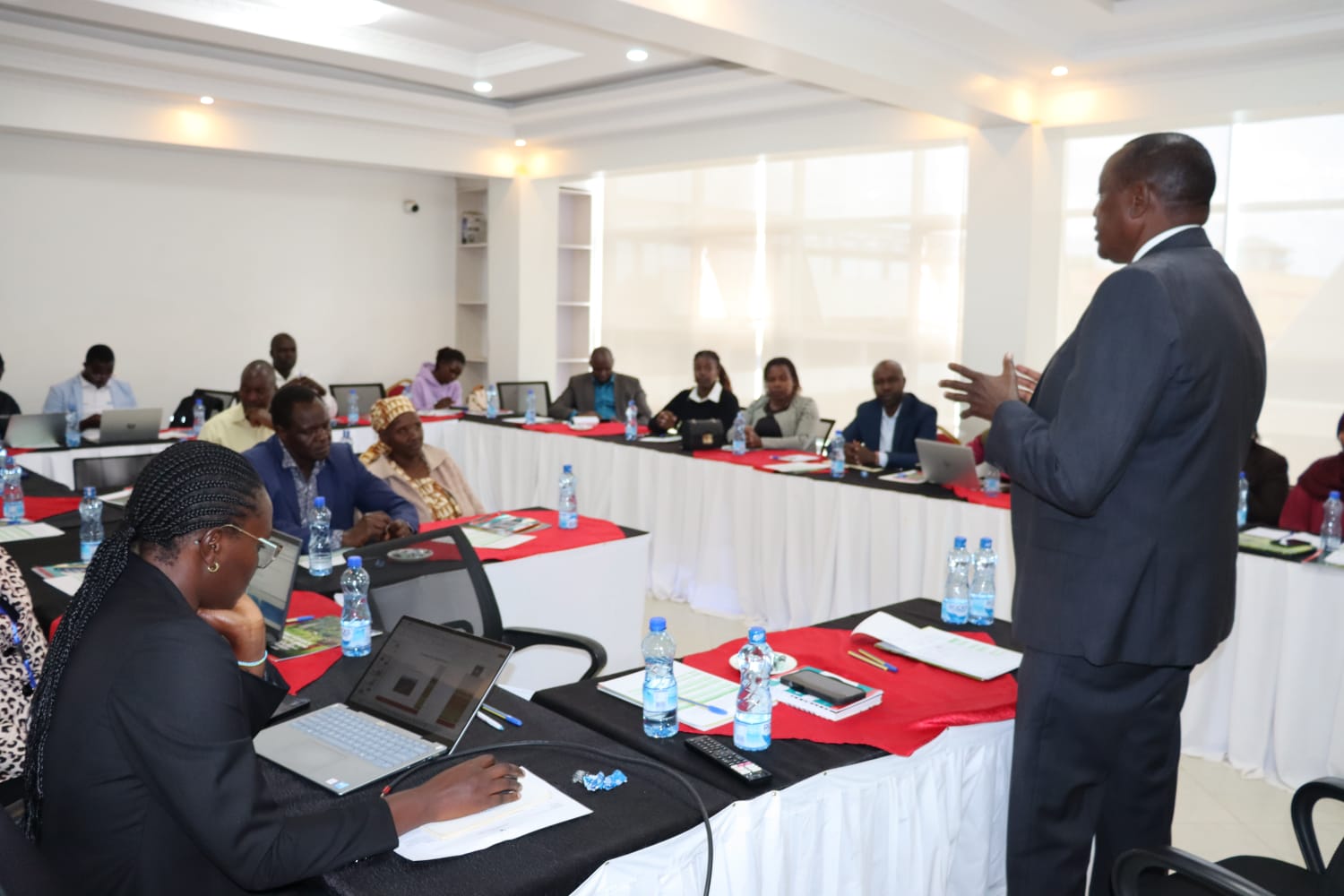
The County Government of Uasin Gishu and the International Crane Foundation (ICF) are linking Grey Crowned Crane conservation with sustainable agriculture and alternative livelihoods, creating new opportunities for communities living around key wetland areas to improve household incomes while protecting crane habitats.
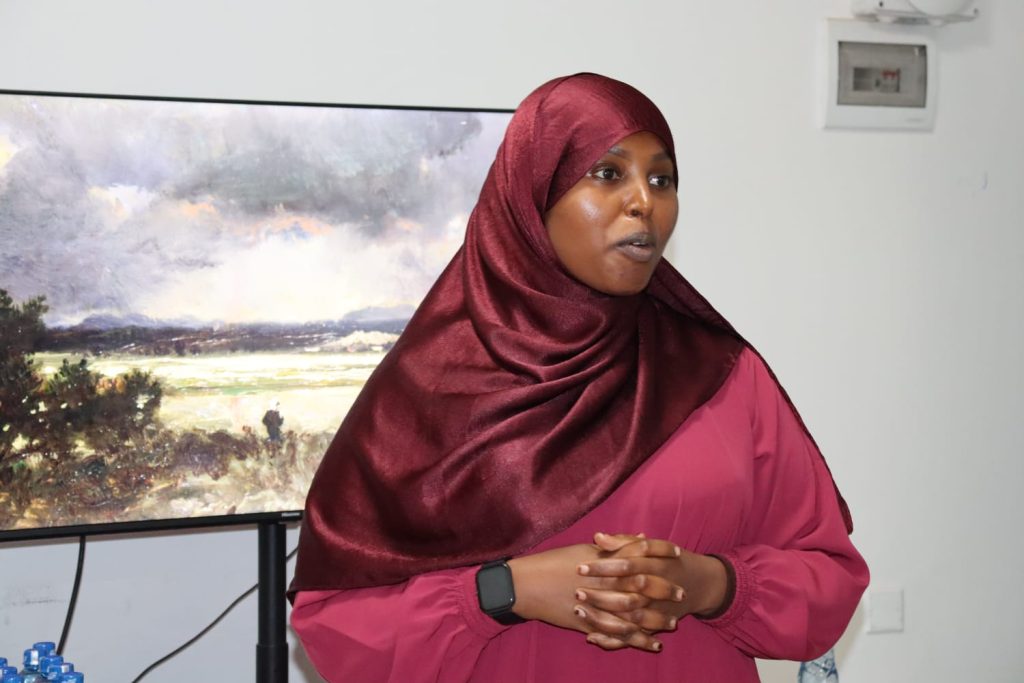
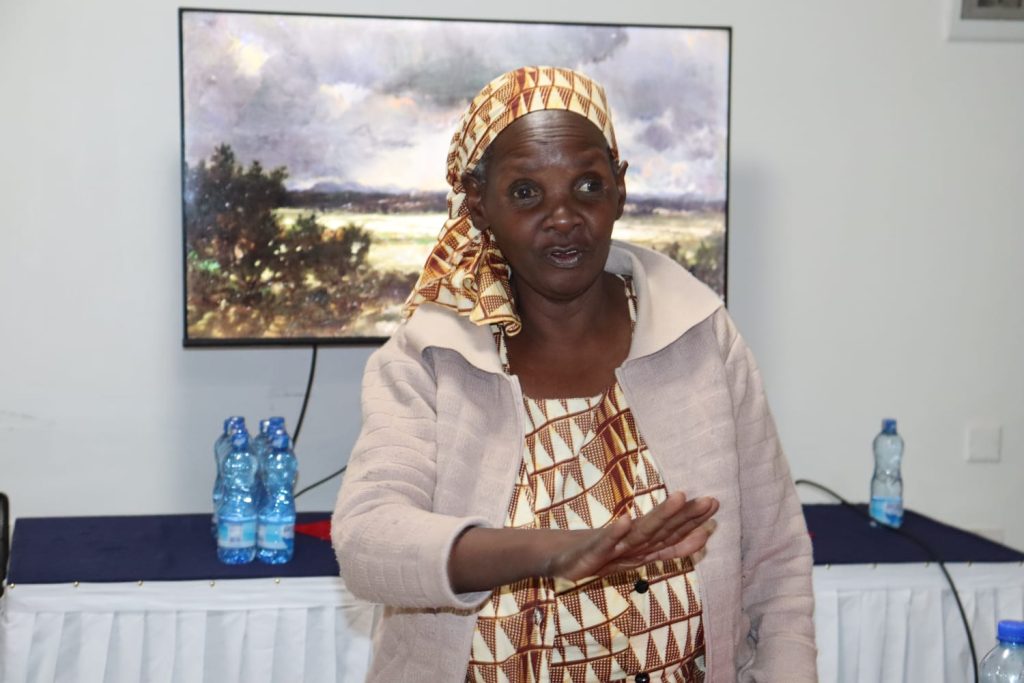
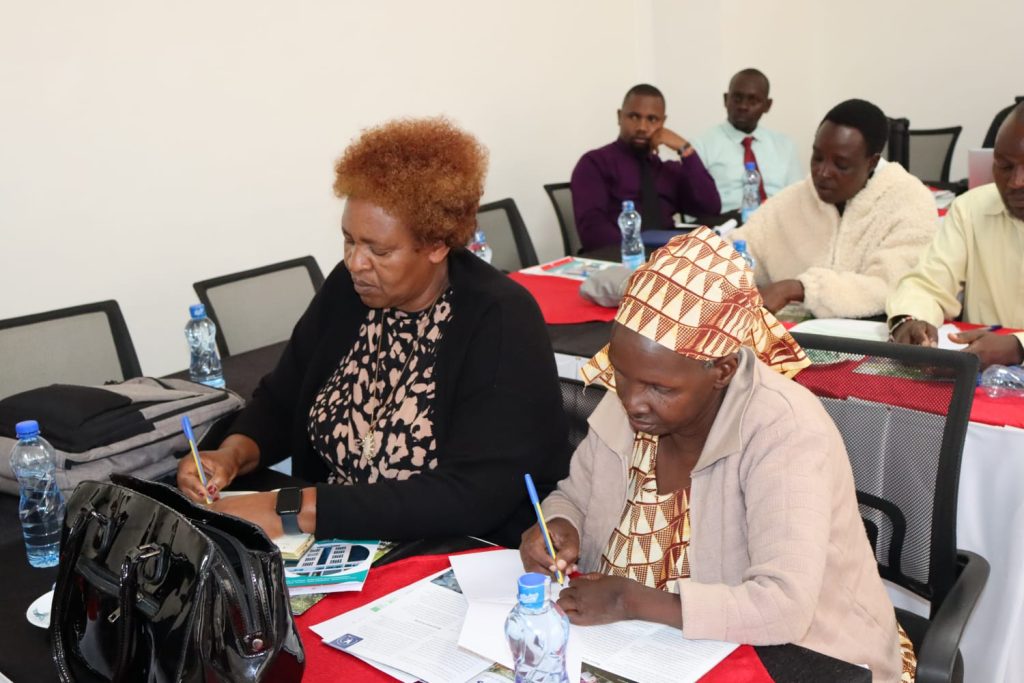
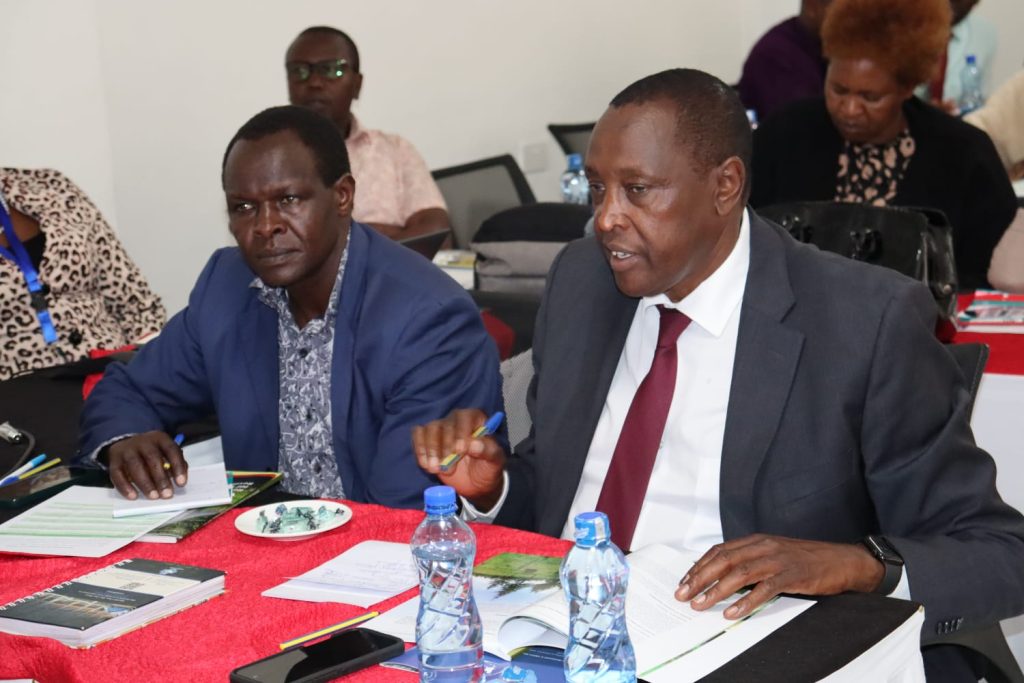
A stakeholder workshop on Grey Crowned Crane conservation, sustainable agriculture and alternative livelihoods, held on Thursday in Eldoret, brought together representatives from CASSCOM, KEPHIS, KENAF, civil society organisations, Hand in Hand, Kingdom Bank, Business and Women Development groups (BWDs), the Kenya Meteorological Department, among others, alongside ICF and County technical teams.
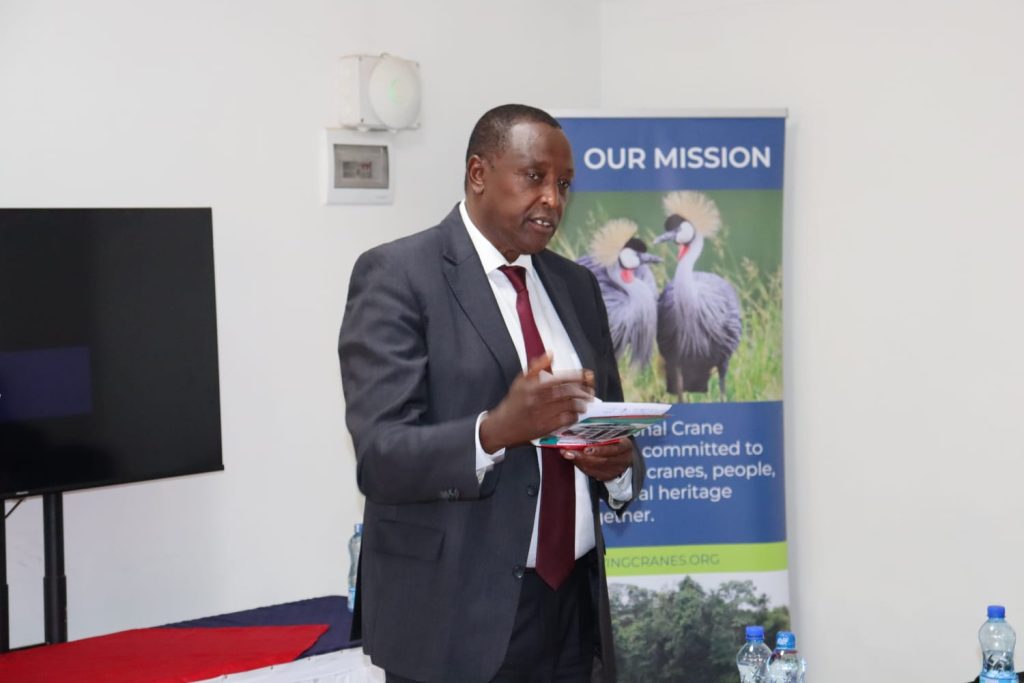
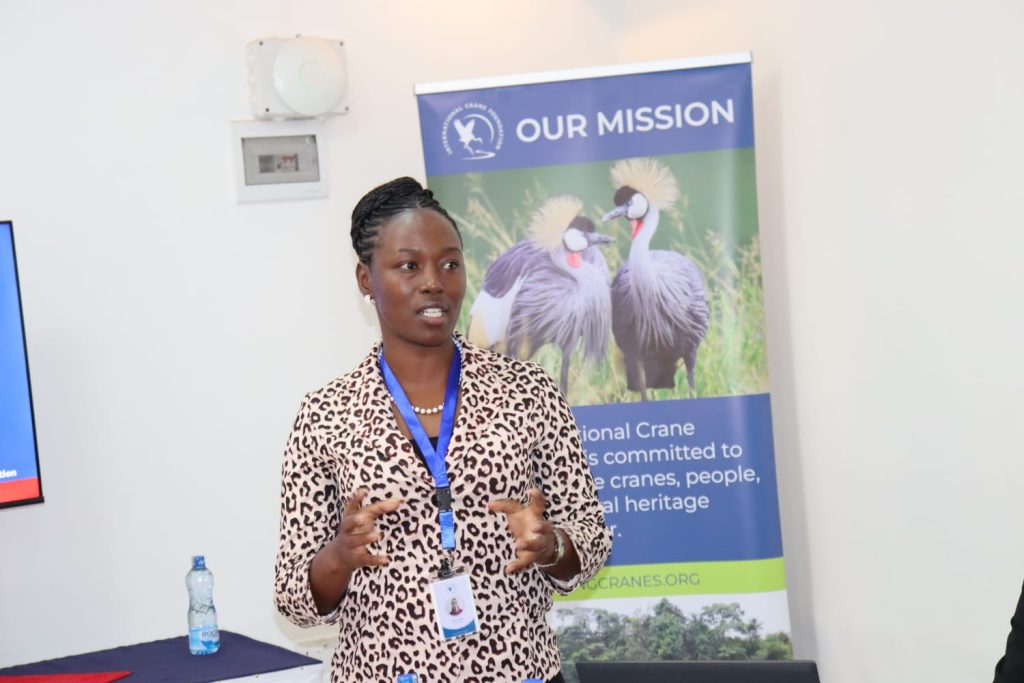
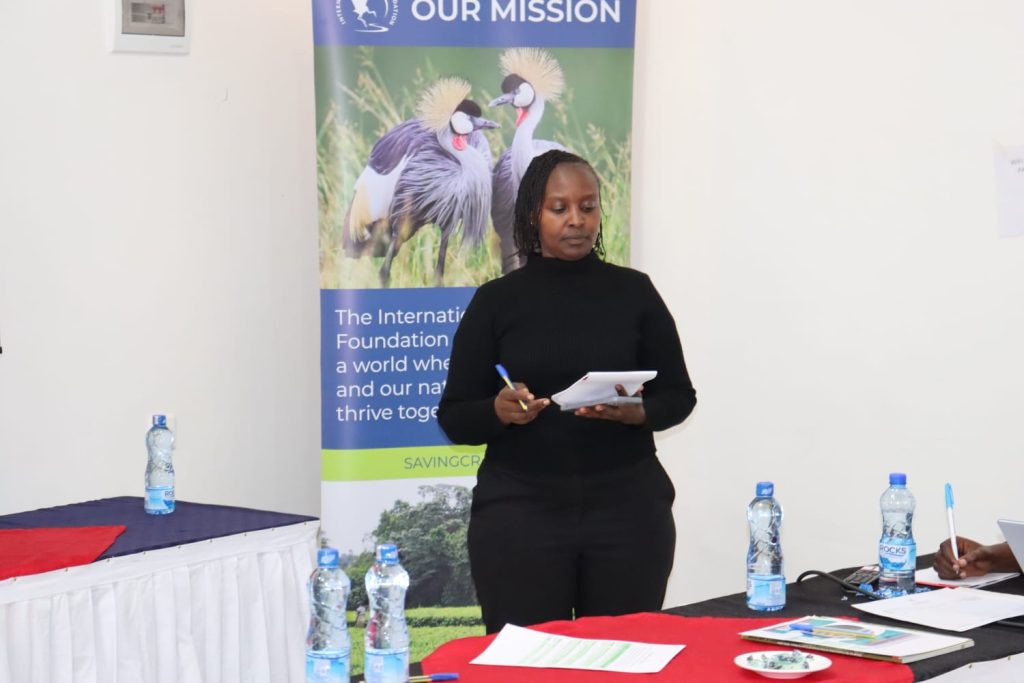

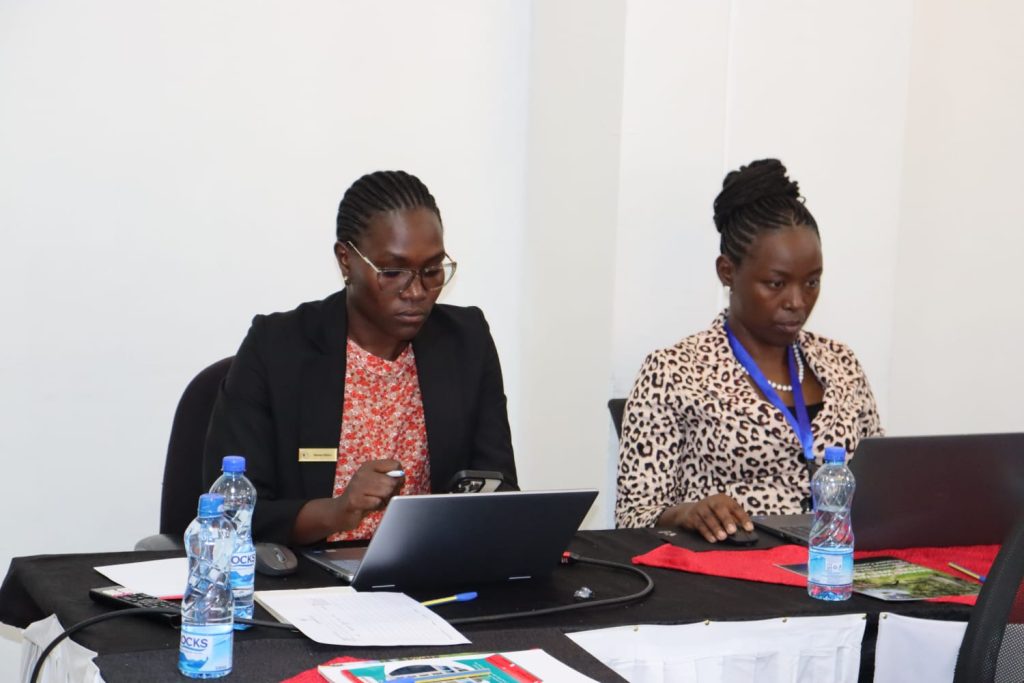
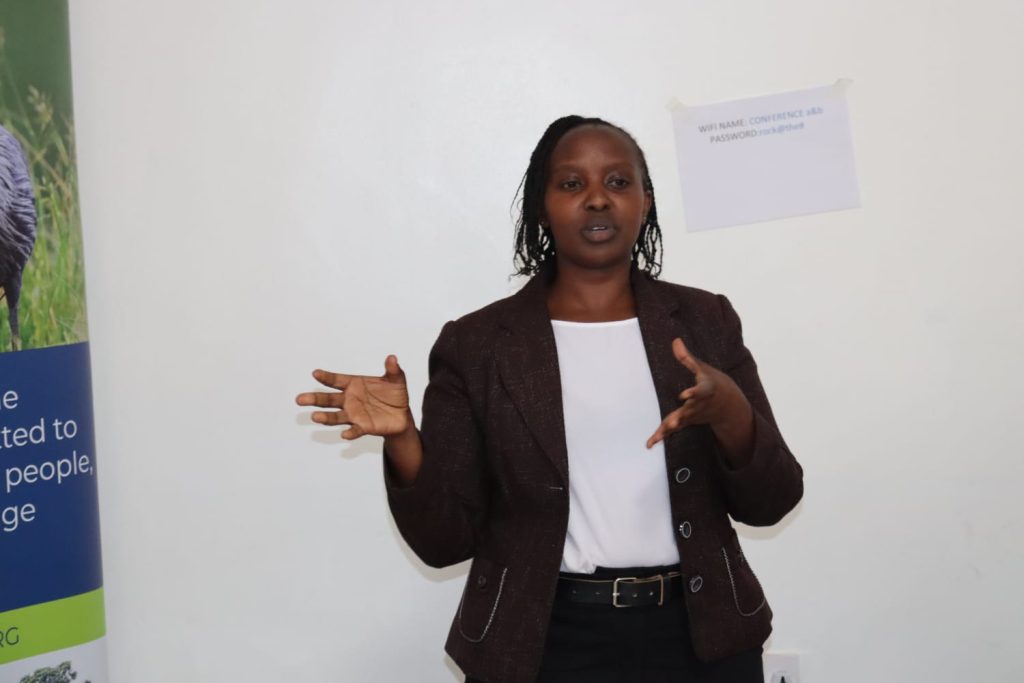
During the meeting, CECM for Agriculture Dr. Sam Kotut, with Chief Officer for Economic Planning Mr. Nixon Cheplong present and providing guidance on aligning the initiative with the County’s development and economic planning priorities as the County and the Foundation strengthen implementation of their conservation partnership.
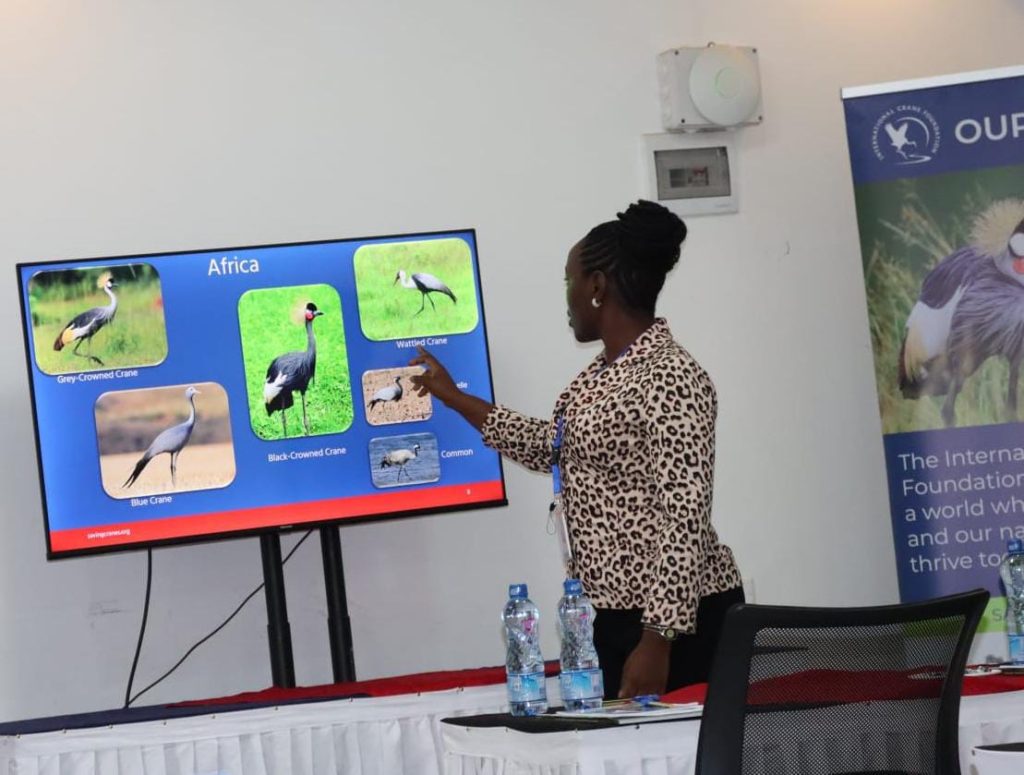
The Grey Crowned Crane is one of the 15 crane species found worldwide and one of four crane species resident in Africa, alongside the Black Crowned Crane, Blue Crane, and Wattled Crane. It is found in Kenya and other parts of East and Southern Africa, so protecting its wetland habitats is key to its conservation.
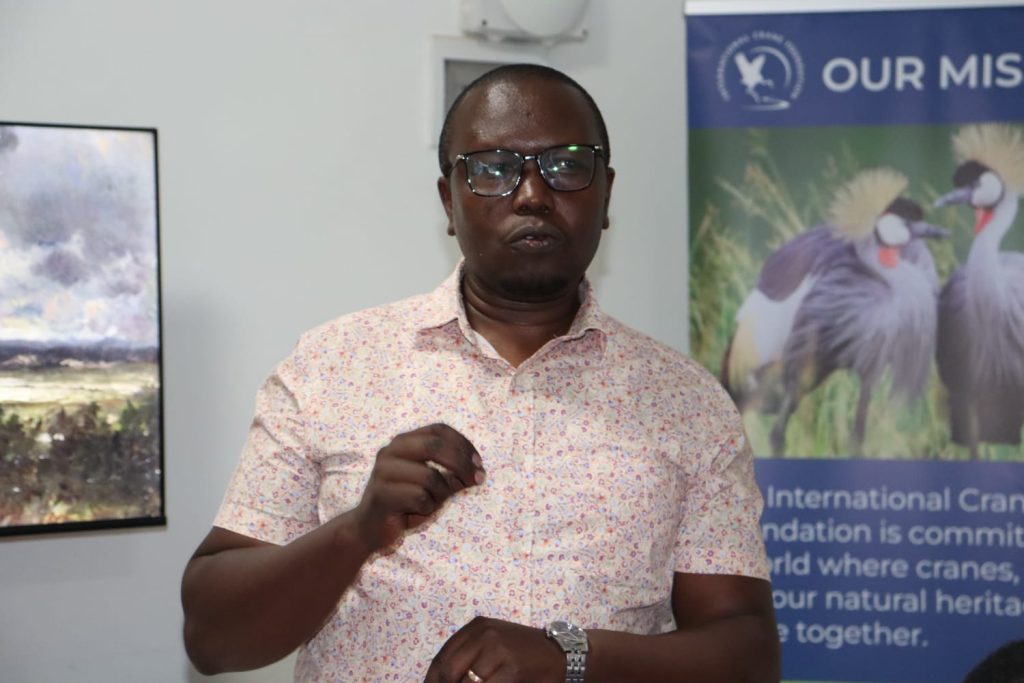
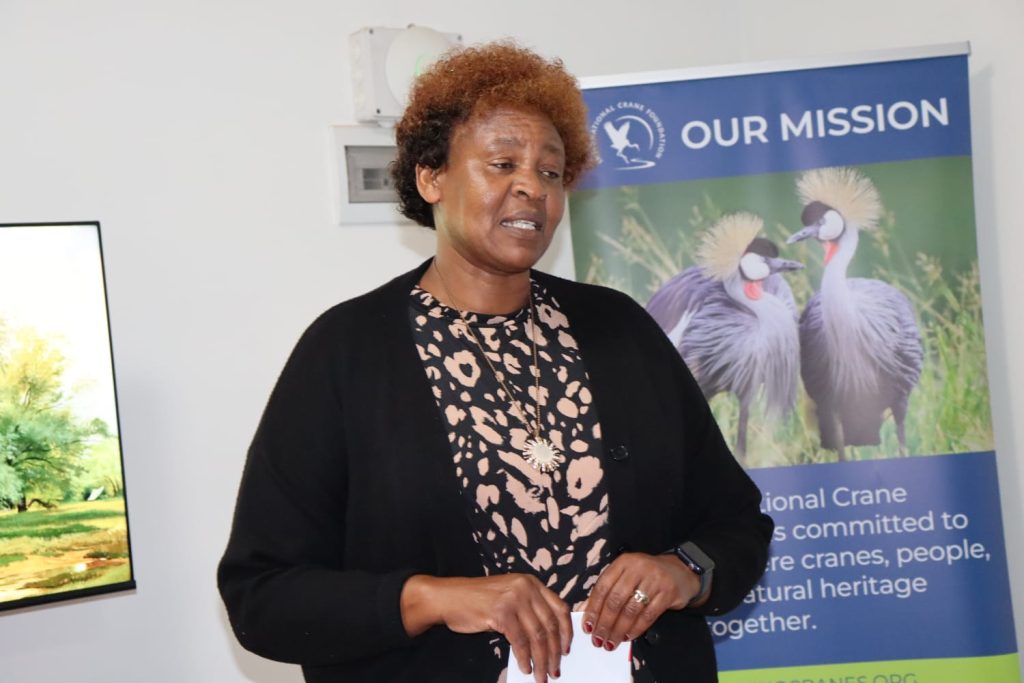


Proposed livelihood interventions include beekeeping, planting of indigenous trees, promotion of high-value crops such as coffee and avocado, and cultivation of Super Napier. The initiatives seek to diversify household incomes while promoting sustainable land-use practices around wetlands and crane habitats.
In Kesses Sub-County, an Agroecology Farmer Field School is targeting 60–70 households. Public participation has already been undertaken, with the next steps including development of a training curriculum, biweekly training for at least one year, graduation and continued household-level support to encourage adoption of agroecological practices.
The partnership is also targeting 29 households around Ziwa Wetland through an Enriched Buffer Zone initiative. Following public participation, the next activities will include mapping the buffer zone and providing livelihood support to participating households.
Other wetlands identified for conservation interventions include Kesses Dam, Mararen, Kiplombe, Lemook, Marura, Chemalal and Kibabet.
The partnership, signed under the leadership of Governor Dr. Jonathan Bii, seeks to protect the Grey Crowned Crane and restore wetland habitats while supporting communities through sustainable agriculture, livelihood diversification and environmental conservation.