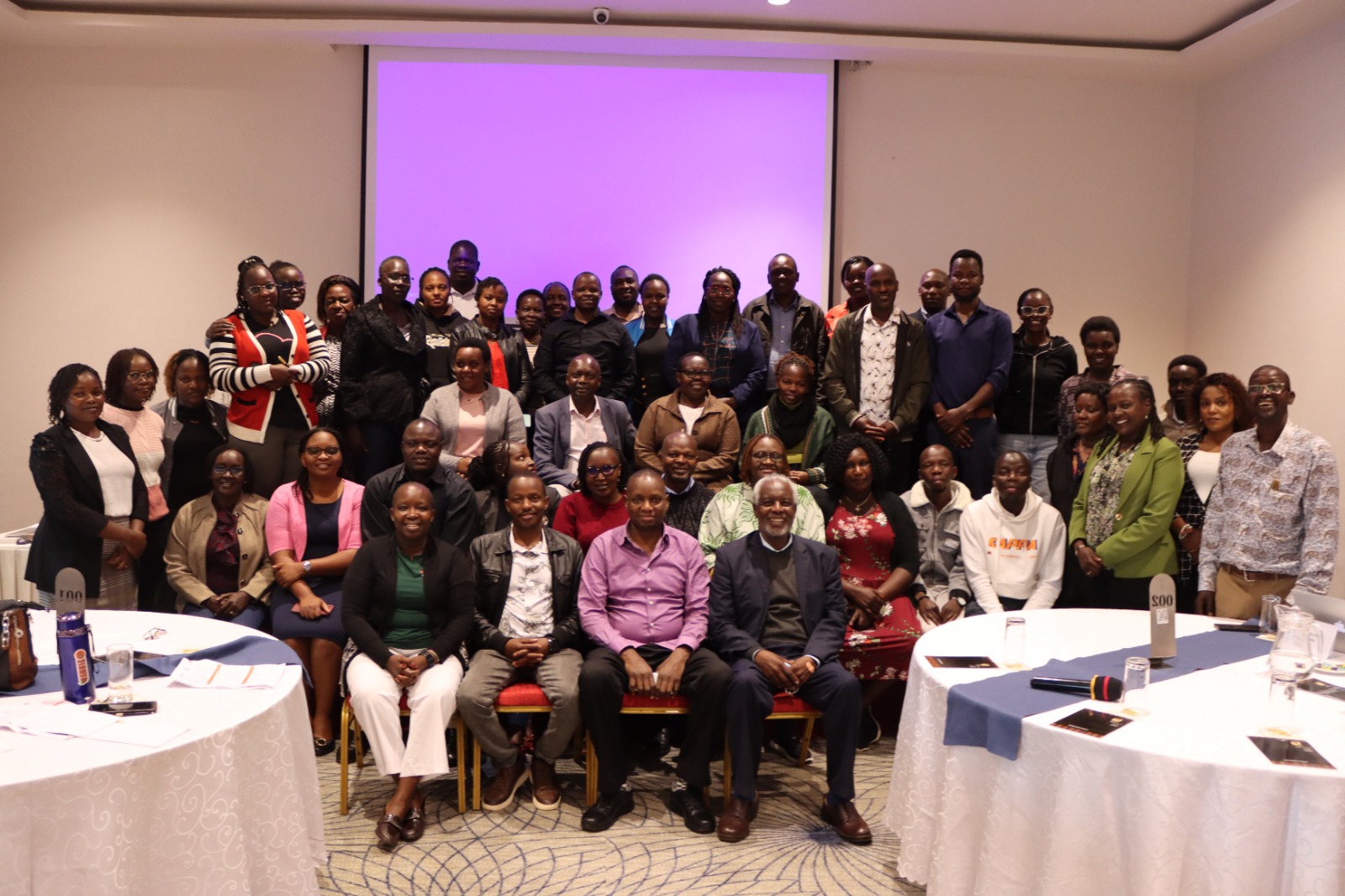
The County Government of Uasin Gishu has partnered with the Moi University Africa Health Collaborative project and the Mastercard Foundation in piloting the short training courses to strengthen home-based care and rehabilitation services across the county.
The partnership seeks to improve access to quality healthcare for patients recovering at home, persons living with chronic illnesses, and vulnerable members of the community.
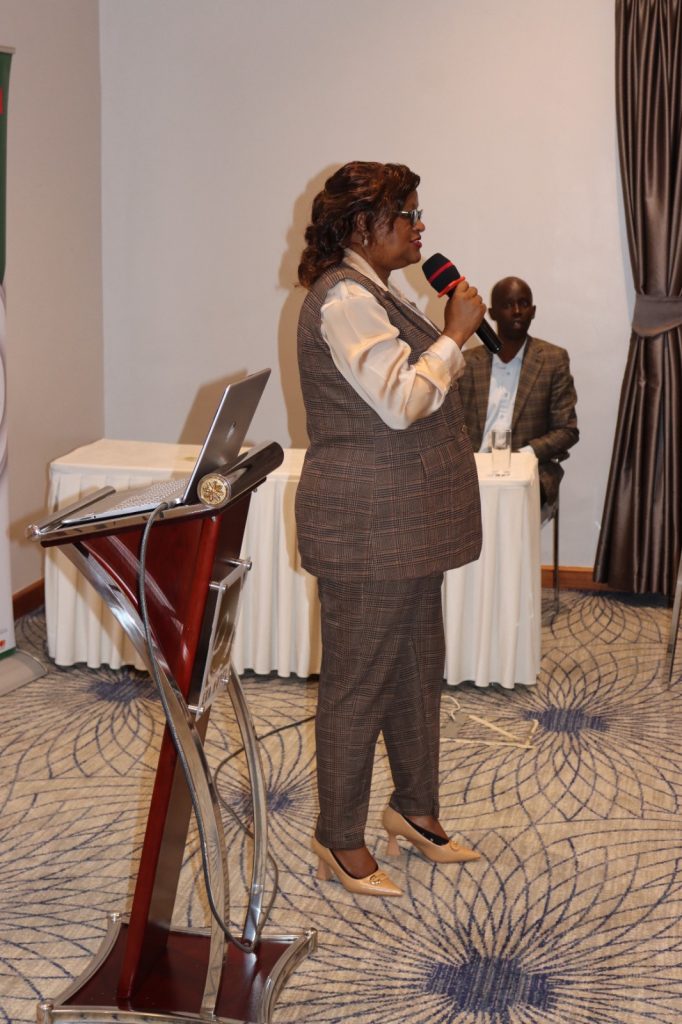
Speaking during the sensitization, County Executive Committee Member (CECM) for Health Services Janet Kurgat emphasized the county’s commitment to enhancing healthcare delivery through collaborative efforts.
According to Janet Kurgat, the County Government recognizes the growing need for accessible and community-centred healthcare services, especially for patients requiring long-term care and rehabilitation. She noted that home-based care remains a critical component in reducing congestion in health facilities while ensuring patients receive continuous medical support within their communities.
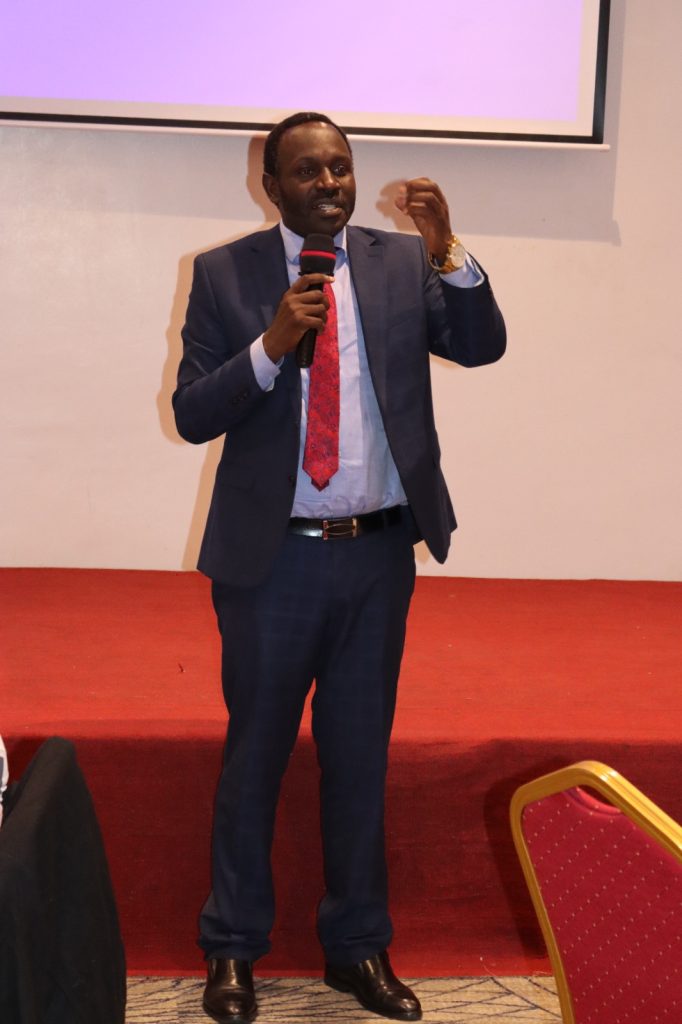
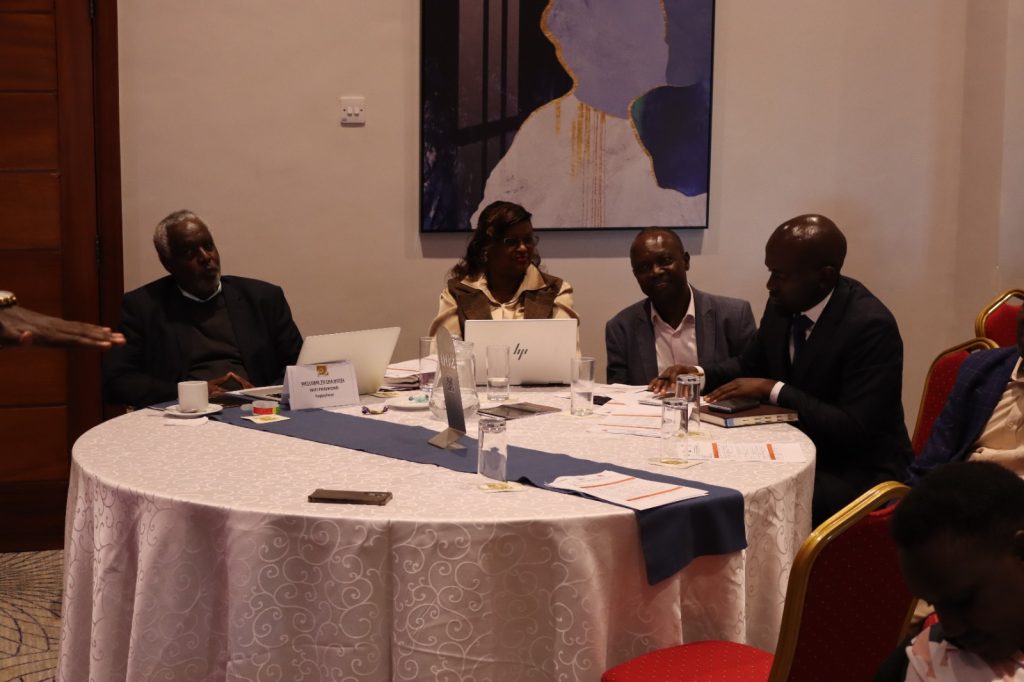
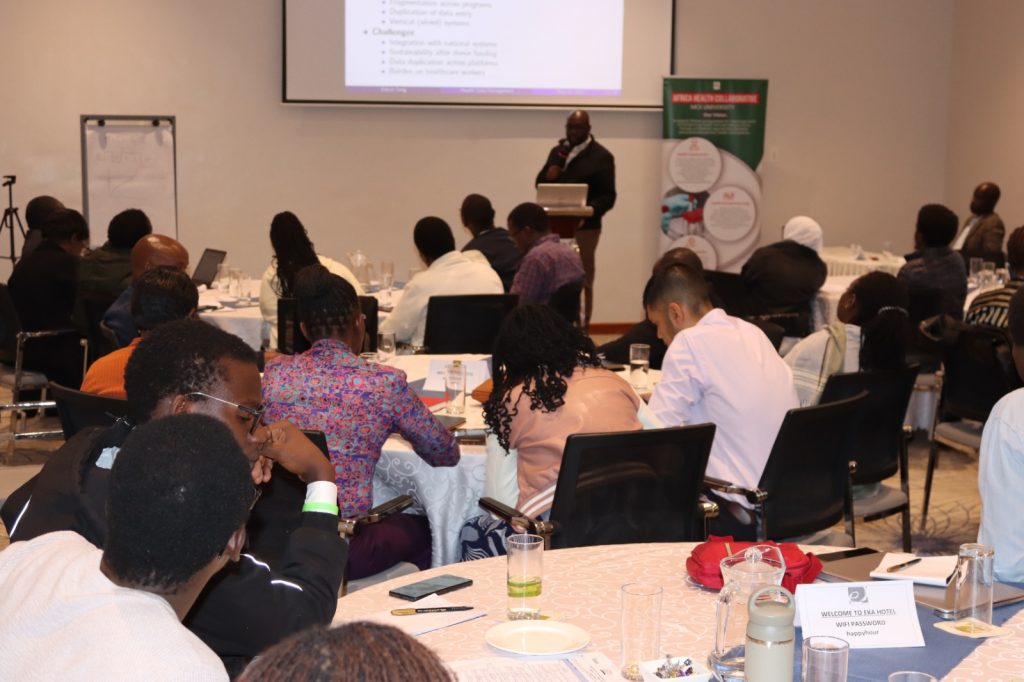
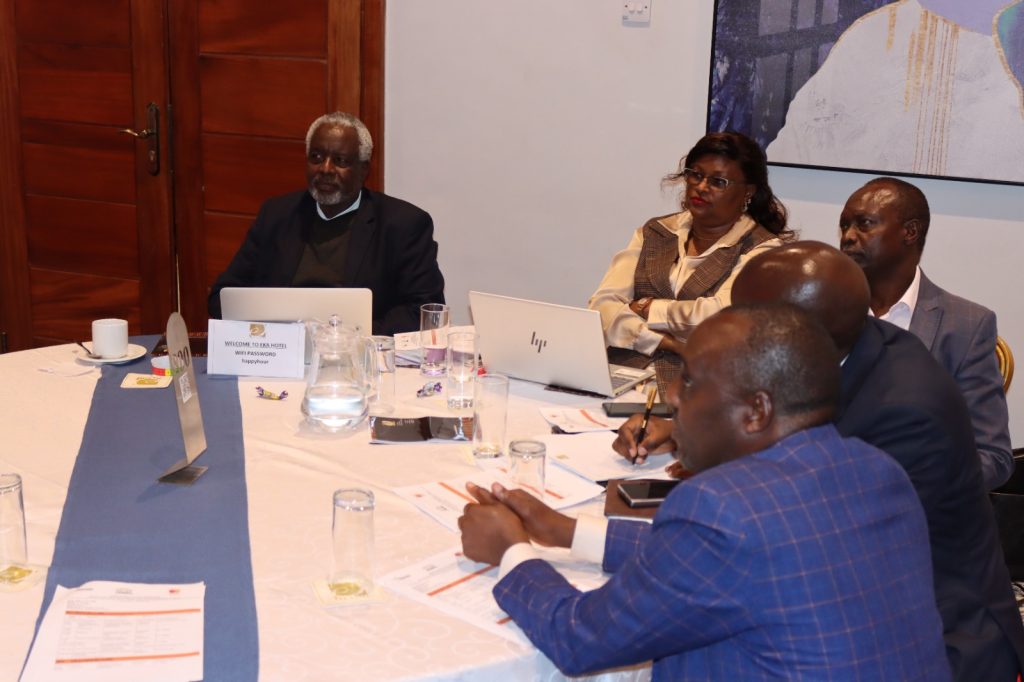
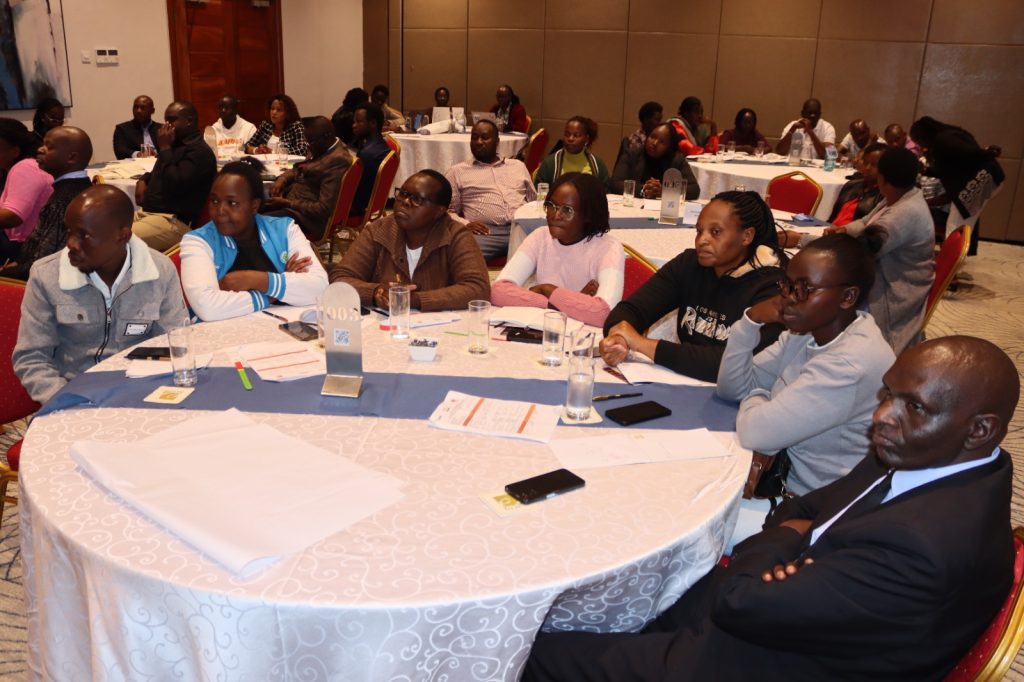
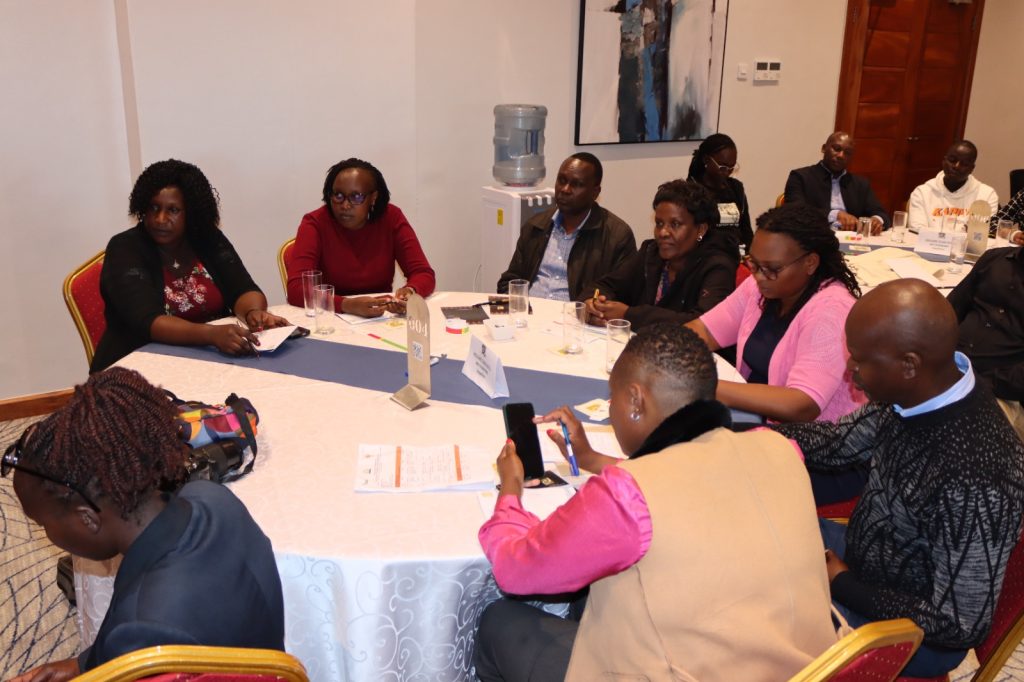
Kurgat further stated that the partnership will help strengthen healthcare systems through training, capacity building, and improved support for caregivers and healthcare workers. She added that the initiative aligns with the county’s broader health agenda of promoting preventive and promotive healthcare services.
The Chief Officer for Promotive and Preventive Health Dr. Paul Wangwe, highlighted the importance of integrating community health services with rehabilitation programs to ensure patients receive holistic care.
Dr. Wangwe noted that empowering community health promoters and caregivers will play a significant role in improving health outcomes, particularly among the elderly, persons with disabilities, and patients recovering from serious illnesses.
The Chief Officer further observed that home-based care programs help bridge healthcare gaps by bringing services closer to the people and reducing the financial burden on families seeking prolonged treatment in hospitals.
Chief Officer for Clinical Services Ambrose Tarus reaffirmed the county’s commitment to strengthening clinical care services through integrated healthcare approaches that support patients beyond hospital settings.
Tarus noted that effective home-based care and rehabilitation programs are essential in ensuring continuity of treatment, reducing hospital readmissions, and improving patient recovery outcomes. He added that the partnership with the Moi University Africa Health Collaborative project and Mastercard Foundation will complement existing clinical services by enhancing coordinated care, referral systems, and follow-up support for patients requiring specialized attention at the community level.
Director for Promotive and Preventive Health Laban Kiprop said the collaboration will enhance awareness creation, early intervention, and follow-up care for patients within the community. He explained that strengthening rehabilitation services at the household level will contribute to faster recovery and improved quality of life for patients.
Laban Kiprop also emphasised the need for continuous community education on preventive healthcare practices, saying the county is committed to ensuring residents have access to reliable healthcare information and services at the grassroots level.
Senior Lecturer from Moi University, Dr Samson Ndege, lauded the partnership, describing it as a timely intervention that will significantly improve healthcare accessibility and continuity of care. He noted that collaboration between academic institutions, healthcare organizations, and county governments is essential in developing sustainable healthcare solutions.
Dr Ndege further stated that research, community engagement, and evidence-based interventions will be key in ensuring the success of home-based care and rehabilitation programs. He encouraged stakeholders to continue working together in addressing emerging public health challenges through innovative and patient-centered approaches.
The partnership is expected to strengthen healthcare delivery systems, improve rehabilitation services, and enhance the overall well-being of residents through community-focused healthcare initiatives