
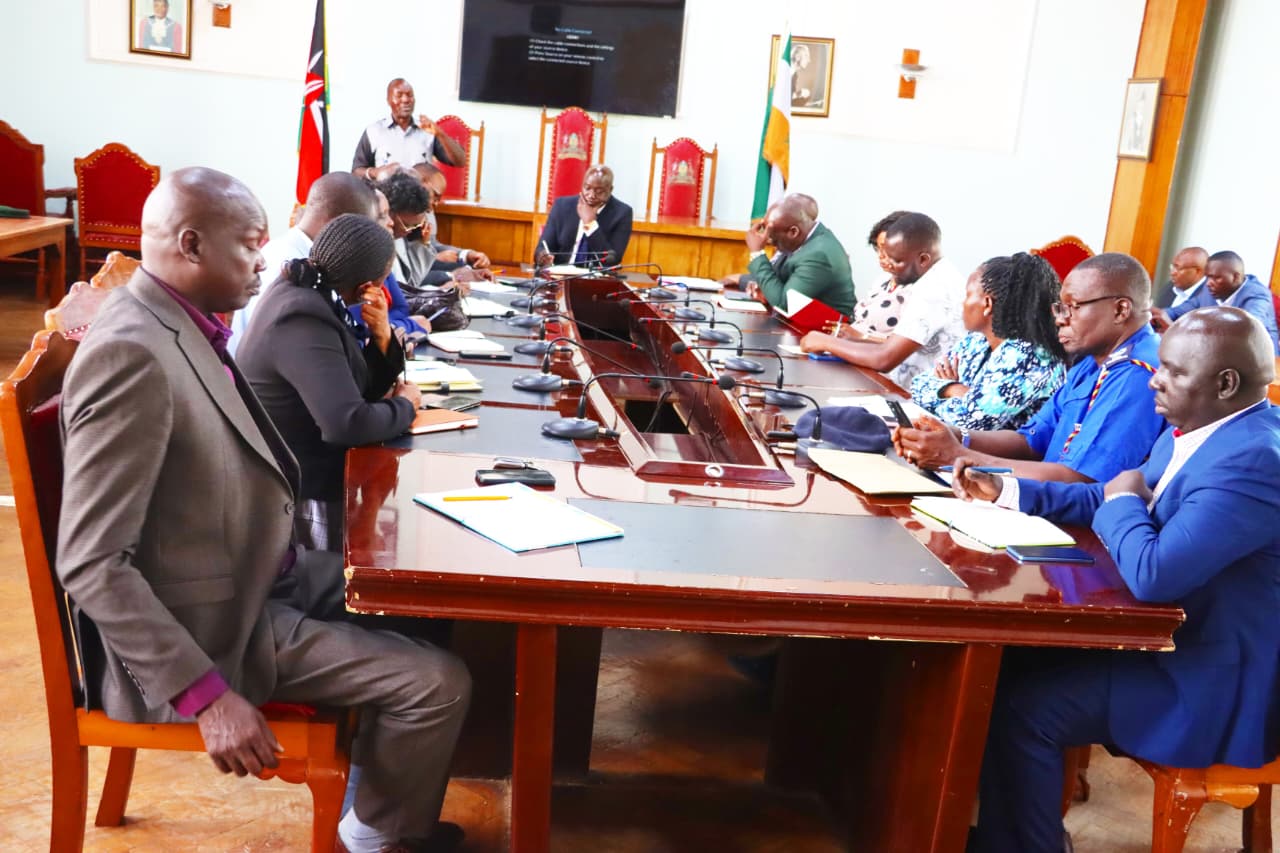
Uasin Gishu County has stepped up preparations for the October-November-December (OND) rains, with the county government directing teams to identify vulnerable areas, prepare emergency centres and keep residents informed on weather-related risks.
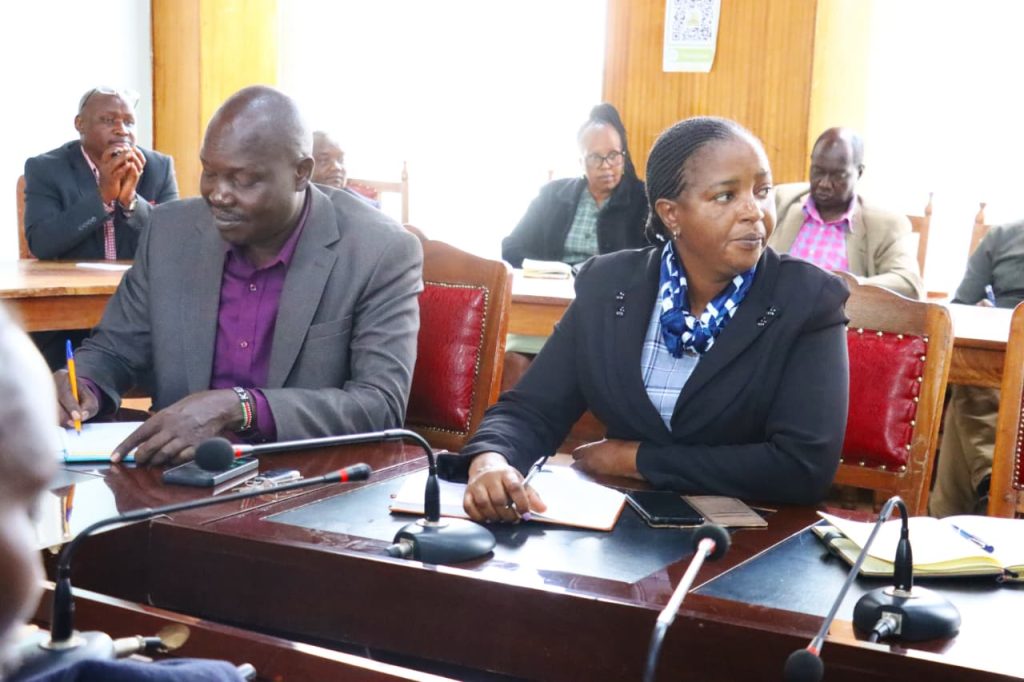
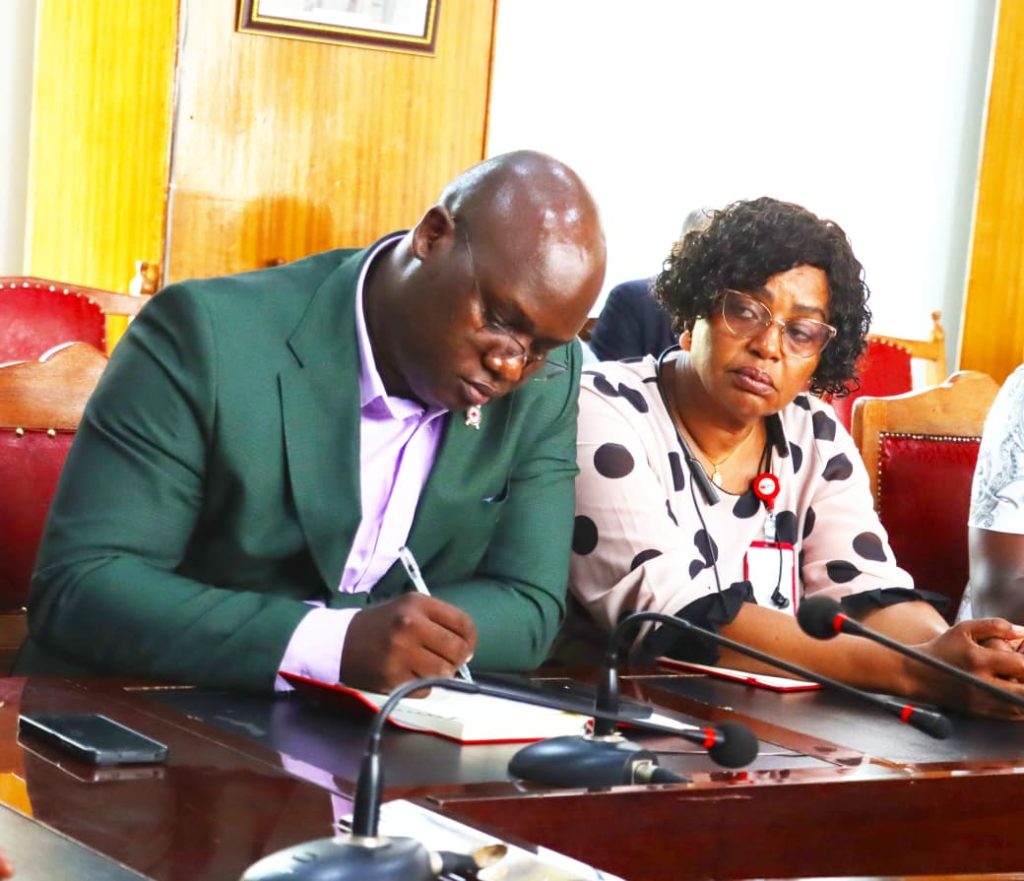
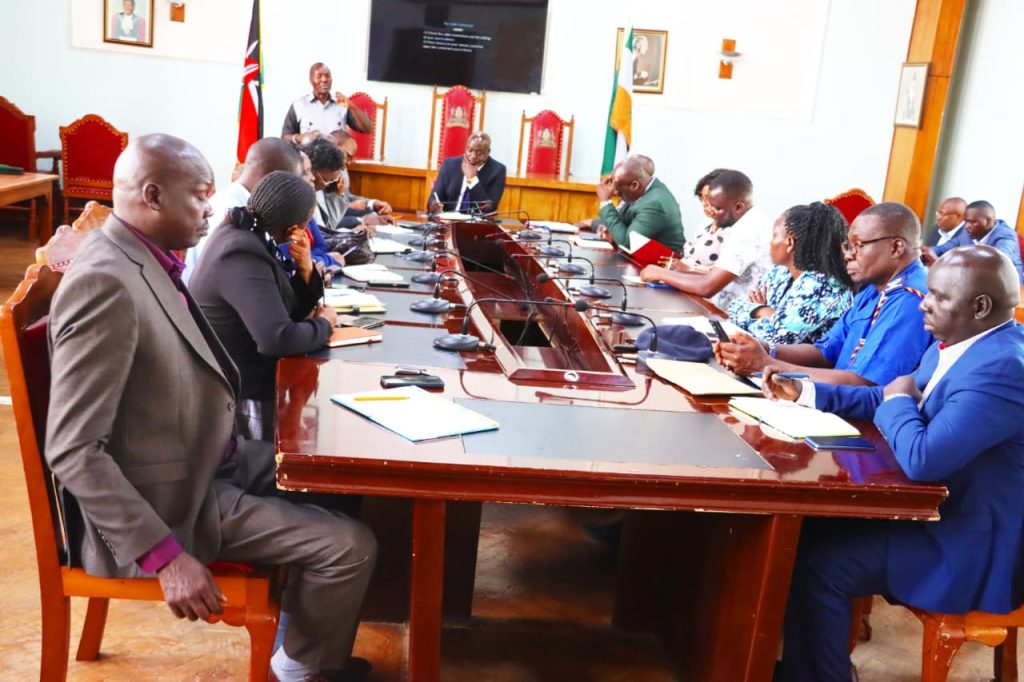
Speaking during a disaster preparedness meeting at the County Headquarters, County Secretary Philip Matelong said the county was taking early measures to protect residents and strengthen its response capacity.

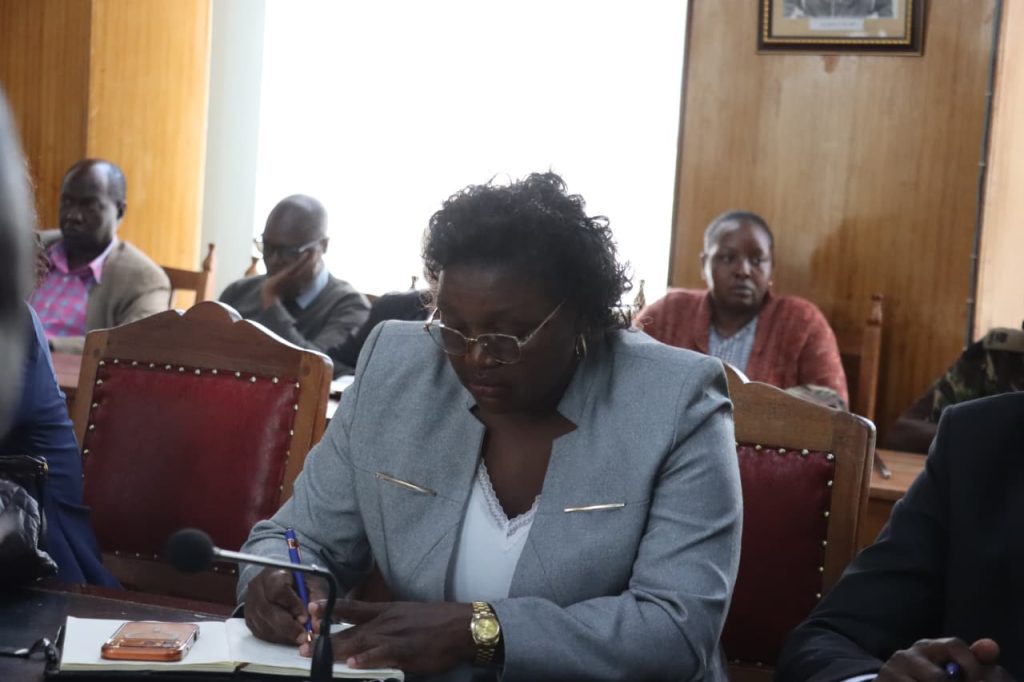
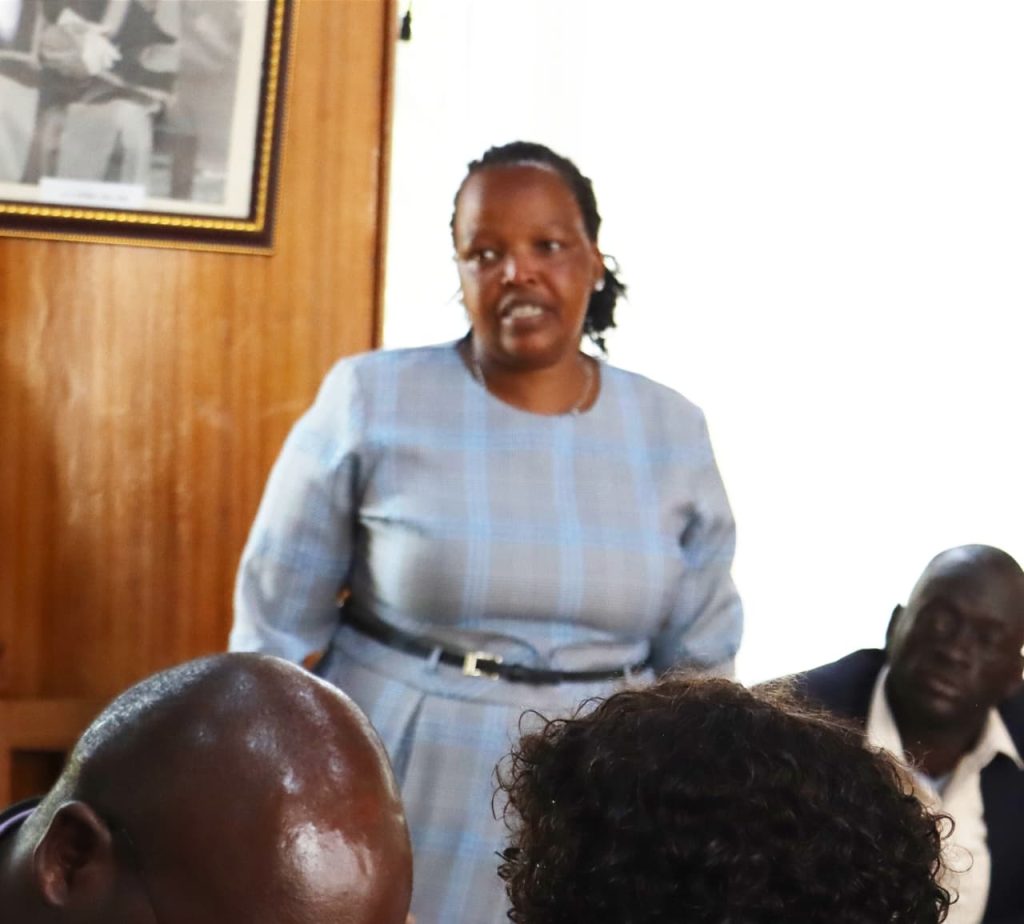
“We need to educate the public on disaster risks, identify rescue centres and make sure the necessary resources are available,” Matelong said.
He said residents in vulnerable areas would receive early warning information, including guidance to move to higher ground when necessary.
Similarly, County Commissioner Dr. Eddyson Nyale called for sub-county teams to work together, visit vulnerable areas and agree on their roles before emergencies occur.
From the weather perspective, Kenya Meteorological Department representative Simon Cheptot said the current outlook called for preparedness, noting that El Niño should not be interpreted as continuous rainfall or flooding everywhere.
“El Niño is not rainfall. It changes weather patterns, and its effects can vary from one region to another. We therefore need to rely on the weather advisories and prepare for the conditions expected in our areas,” Cheptot said.

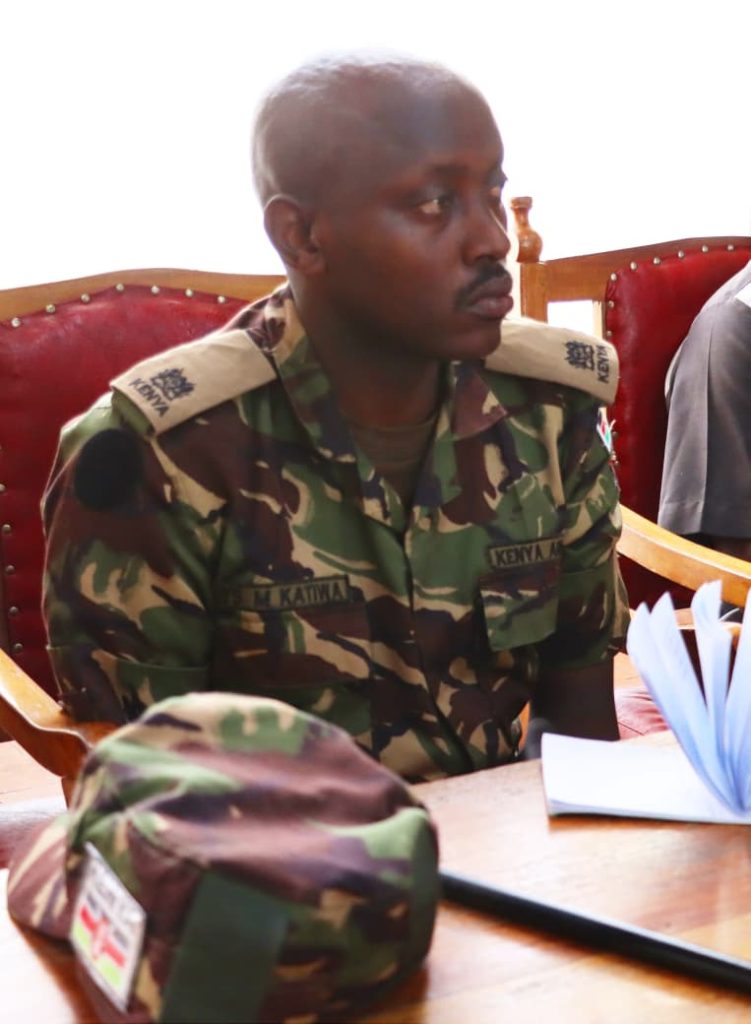
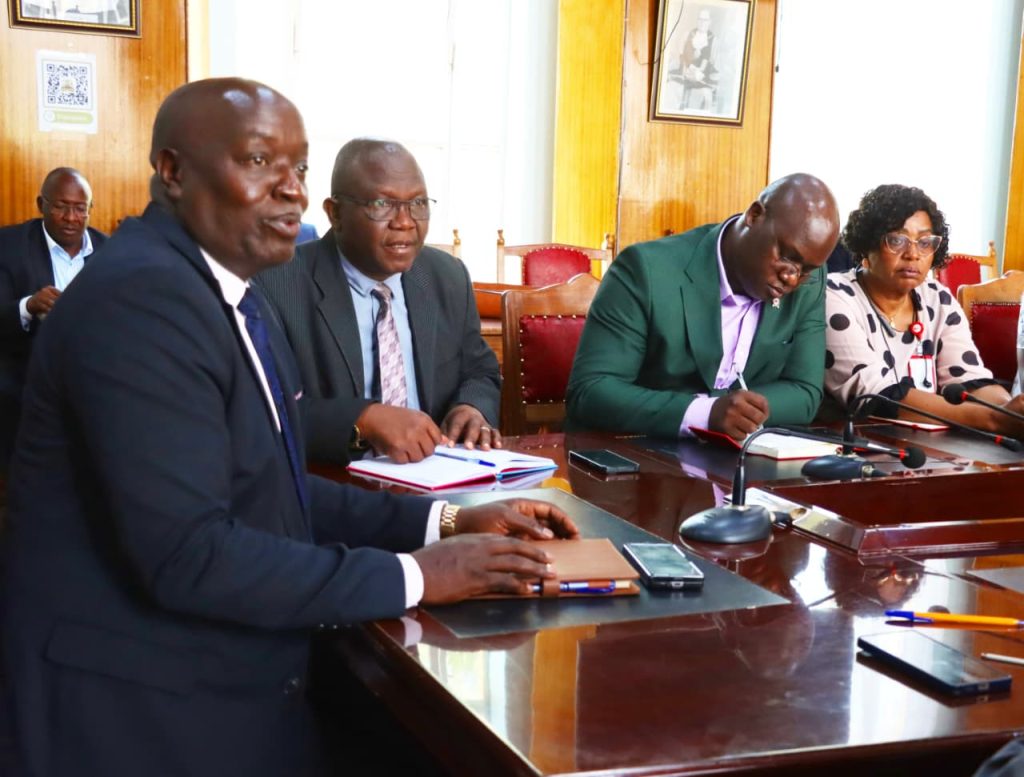
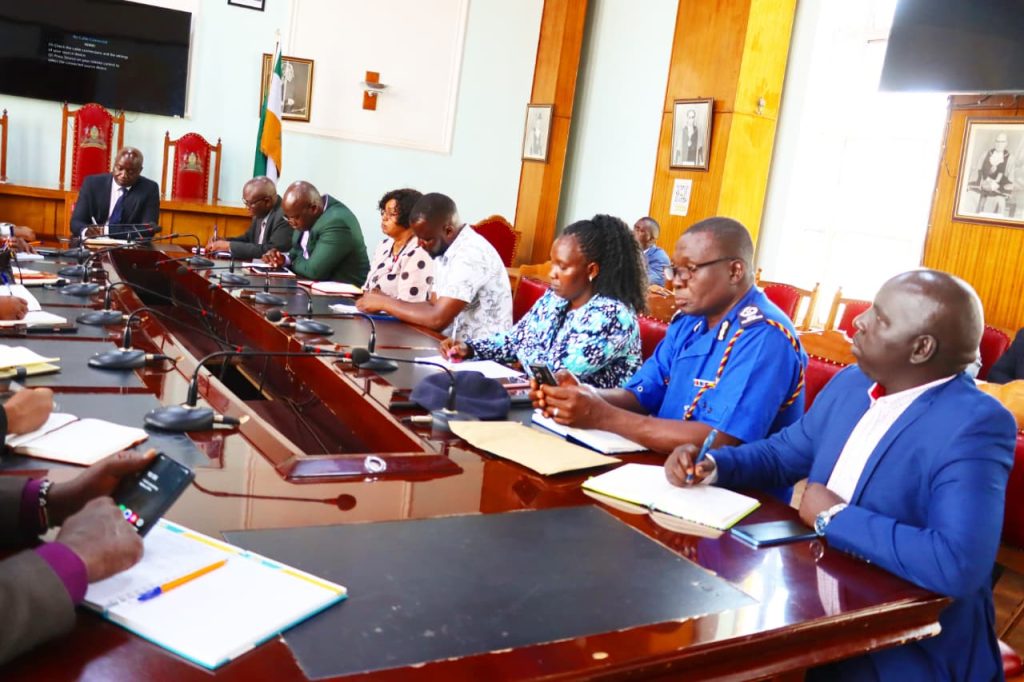
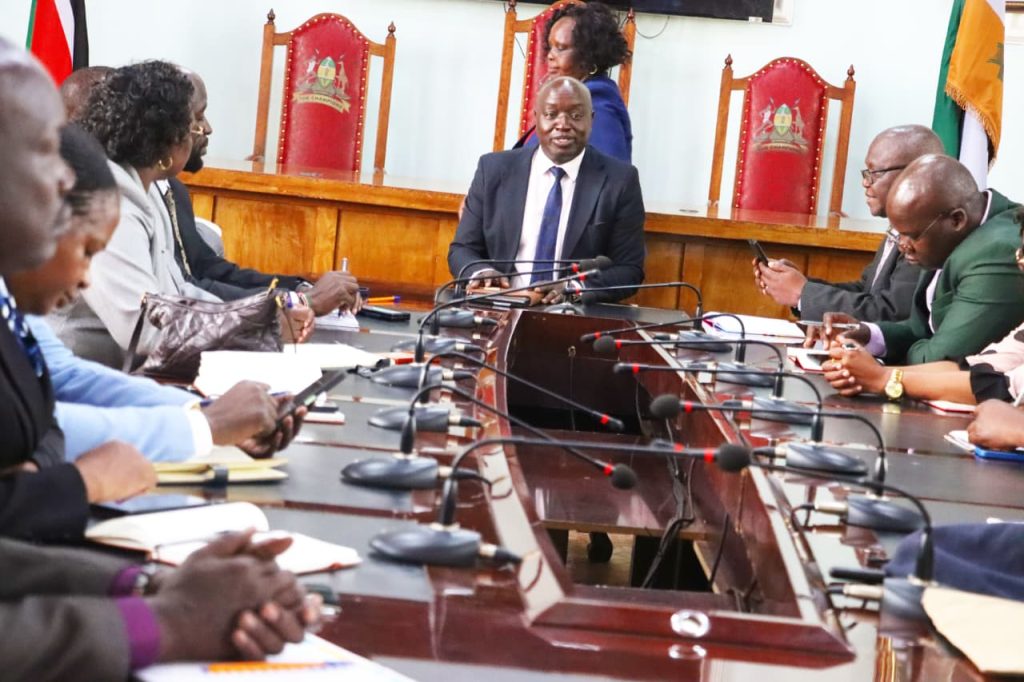
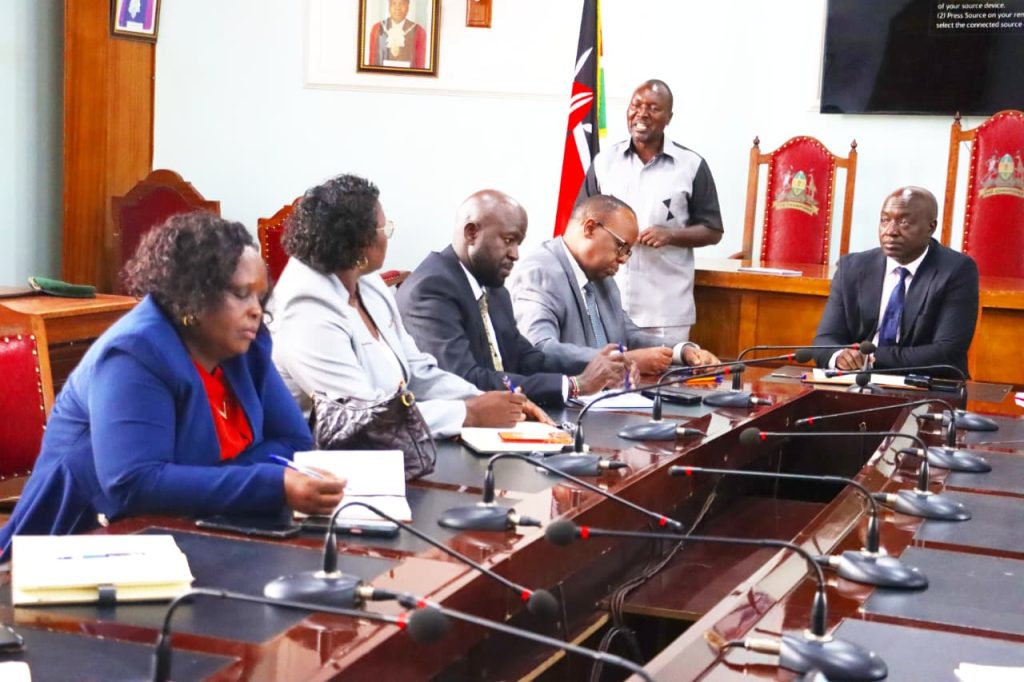
Meanwhile, CECM for Roads, Transport and Public Works Dr Abraham Kipkemboi Serem said the county would identify drainage points requiring attention and address blockages before they become a threat to residents.
For Kenya Red Cross, North Rift head Oscar Okumu urged teams to move quickly with the mapping exercise, noting Uasin Gishu’s strategic position in the North Rift.
“We need to move with speed on the mapping. We are at the centre of the North Rift, and this puts us in a good position to support people affected in neighbouring counties,” Okumu said.

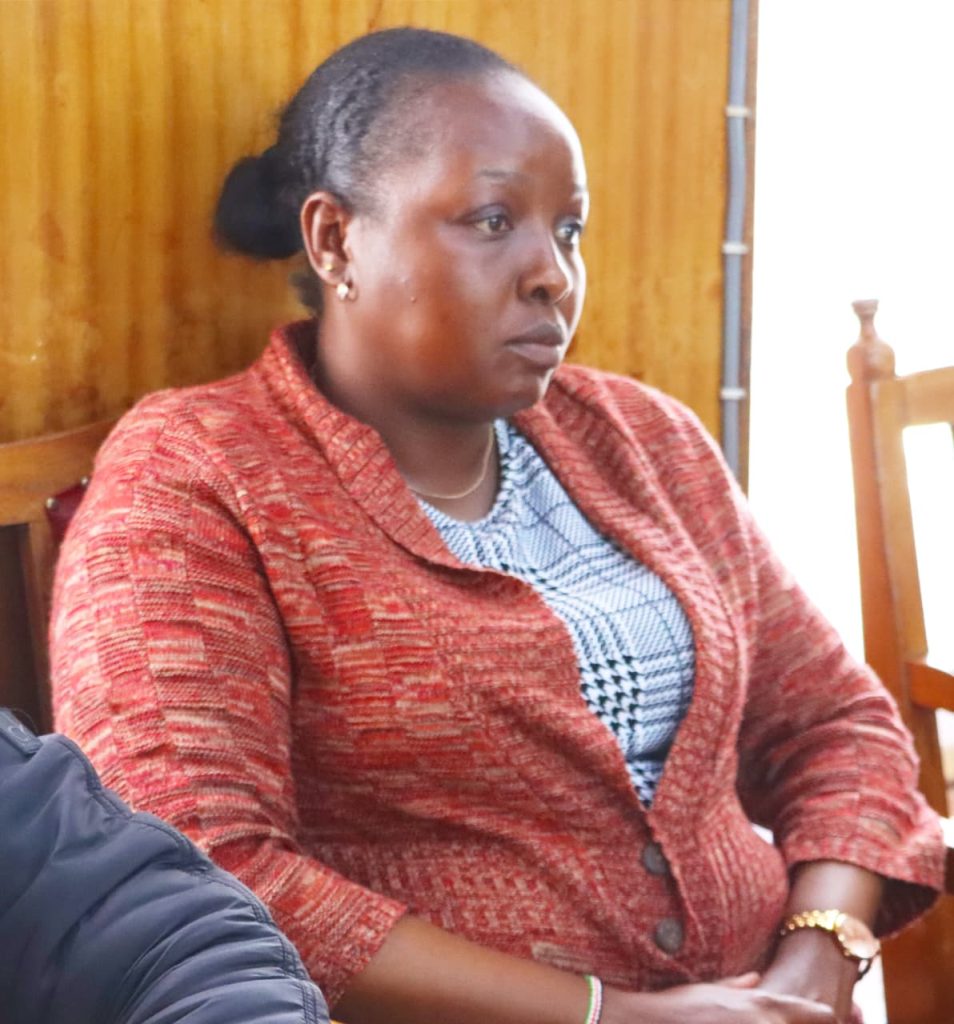
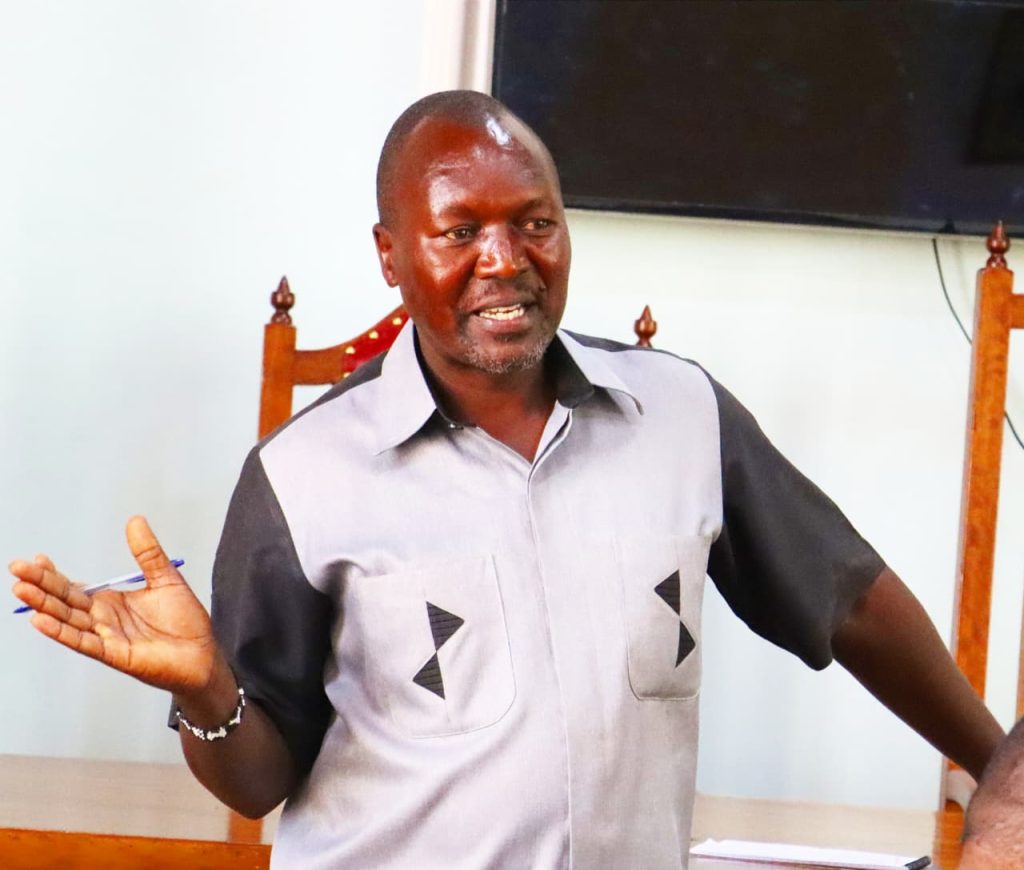
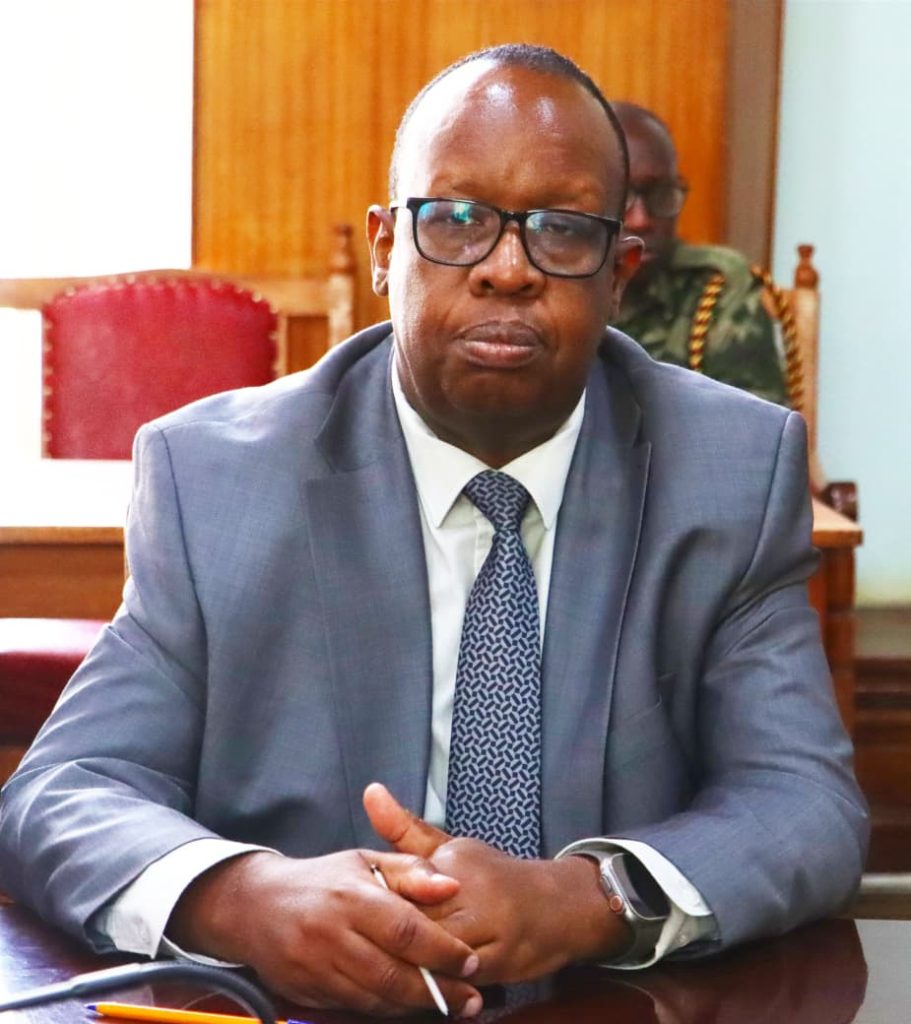
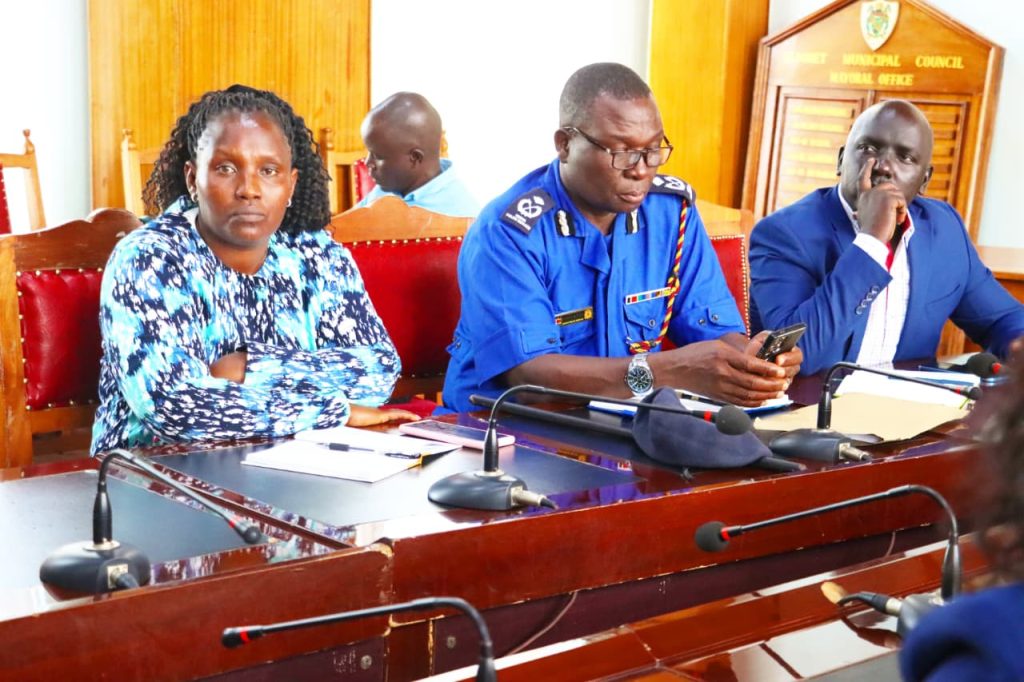
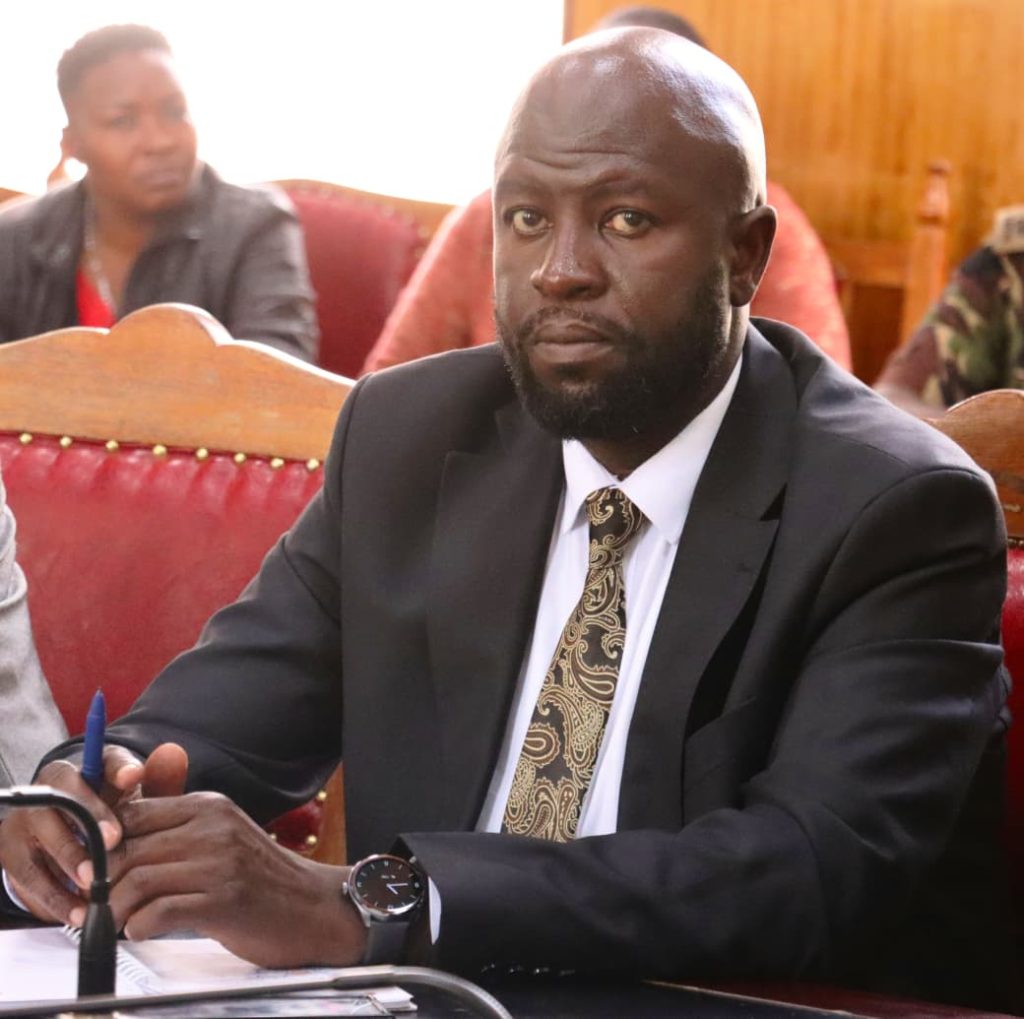
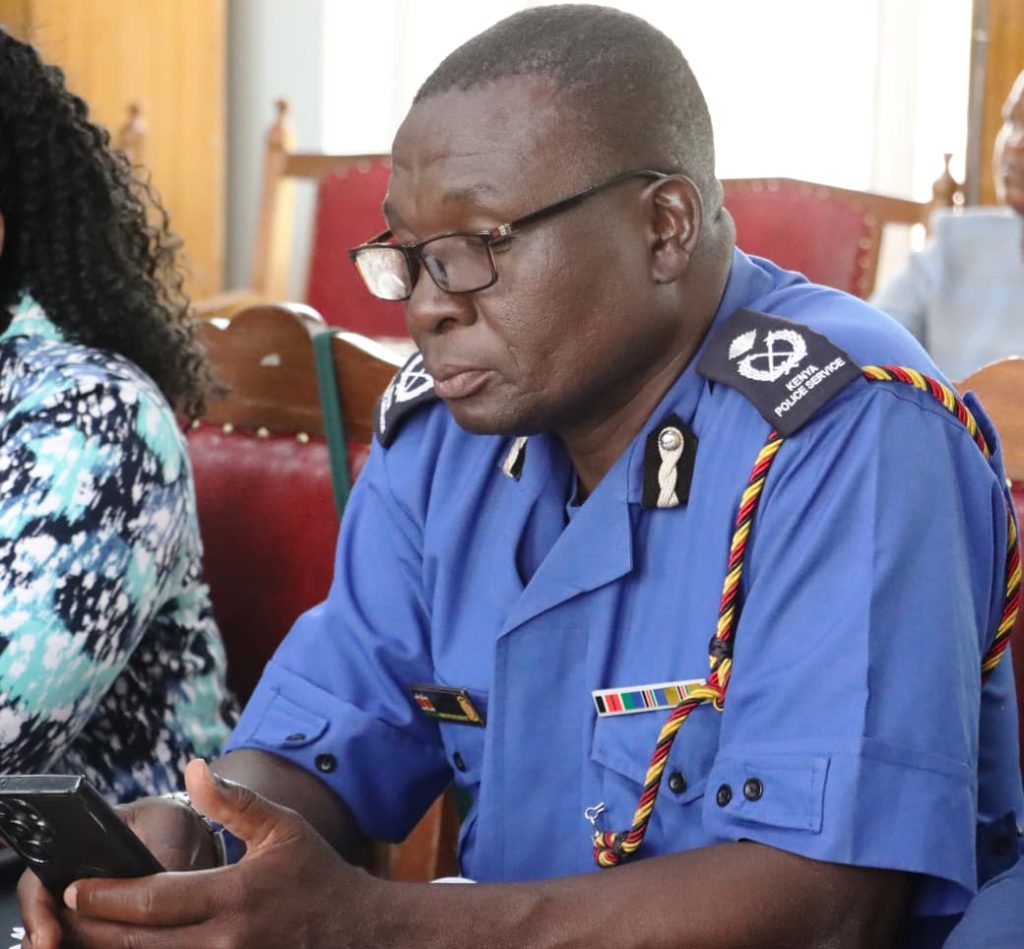
At the health front, Moi Teaching and Referral Hospital Chief Executive Officer Dr Philip Kiptanui Kirwa said the hospital was ready to work with other agencies in responding to emergencies.
“We are ready. What is important is close collaboration,” Dr Kirwa said.
The meeting agreed that the teams should move from planning to action, with priority given to mapping vulnerable areas, clearing drainage points, identifying rescue centres and ensuring early warning information reaches residents in time.